
 •
Rating:
•
Rating:
THE REVIEW
The Allman Brothers were a handover with a firm handshake between a disillusioned dreamer from the West Coast and a straightforward blacksmith from the American South; a turbulent turning point for a music scene undergoing a radical transformation. Historical/temporal situation: the start of the new decade and the tragic end of myths - musical and ideological; symbolic and personified - protagonists in the previous one.
The music of The Allman Brothers meant a return to the roots of the Blues using the fantasy of improvisation, a more muscular and aggressive reinterpretation of the exploratory flights expressed in the psychedelic Jams of Acid Rock.
Whiskey instead of LSD.
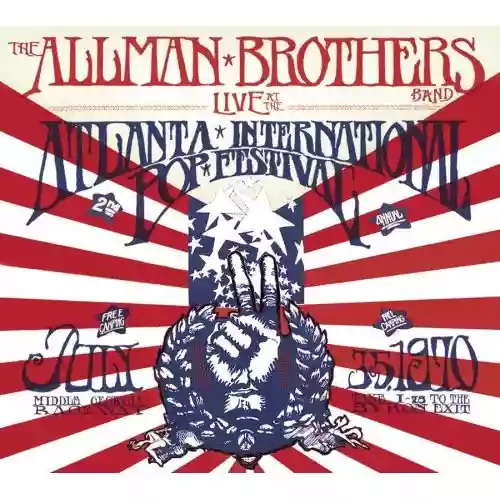
In 1971, there was released what was undoubtedly their best album, I'm referring to the live "At Fillmore East", recorded during four consecutive concerts held on the sacred stage of the Fillmore East Theater in New York City. But the music market, besides trying to deceive us with absurd posthumous compilations or supplying us with collages of songs taken in a questionable manner from different concerts, often offers pleasant surprises. In 2003, the complete version of The Allman Brothers’ performance at the Atlanta International Pop Festival of 1970 was released. That is, a few months before the aforementioned New York Live. That is, one of the historic musical events joined by B.B. King, Jimi Hendrix, Captain Beefheart, Procol Harum, Johnny Winter, and other prominent figures. That is, they play at home - in front of 600,000 people - in an atmosphere that smells of definitive consecration.
Two dates. July 3 and the early hours of July 6. The setlist was very similar overall to that of Fillmore East, with the addition of the cover "Hoochie Coochie Man" by Dixon and Muddy Waters - already present on their studio album - and their "Dreams" and "Every Hungry Woman", played only on the first night. Both nights concluded with the pyrotechnic "Mountain Jam": a surge of rock-blues and guitar intertwining - along with drum solos - interrupted by rain during the first concert but enjoyable in its 28 minutes of the closing show - with the addition of Johnny Winter as a third guitar. Personally, listening to these six guys (seven with harmonica player Thom Doucette), I never find myself getting bored; thanks to the variety of sounds that blend and present themselves to perceptions despite, moreover, the simplicity of the pieces. Indeed, I manage each time to find new details upon listening. And it is truly incredible what Duane Allman was capable of with the slide guitar and how the whole band was able to follow him while keeping that brutal rhythm.
On the importance of this double album in your collection, I'll leave the necessary considerations to your desire to delve deeper. But whether you’re interested or not: this is History.
Loading comments slowly
Summary by Bot
This review praises The Allman Brothers Band's 1970 Atlanta International Pop Festival performance as a landmark moment in blues and psychedelic rock. It celebrates the band's raw energy, the exceptional guitar work of Duane Allman, and the exciting live experience captured on this double album. The review contrasts this concert with their famous Fillmore East recordings while highlighting its historical significance. Overall, it recommends this live album as an essential piece of musical history.Tracklist Lyrics
The Allman Brothers Band
The Allman Brothers Band were an American rock band formed in 1969, closely associated with Macon, Georgia, and widely credited as pioneers of Southern rock. Their sound blended blues rock with extended, jazz-influenced improvisation, highlighted by twin lead guitars and (famously) a two-drummer lineup.16 Reviews
