
 •
Rating:
•
Rating:
THE REVIEW
Forced day off: a series of bureaucratic tasks to complete, which my better half, not that she doesn't trust me, reminds me of as she sails to work, gliding through traffic like butter in a hot pan. There's plenty of time, I tell myself. The picture would be more or less like this: sprawled on the couch with one hand in my underwear, scratching the left ball and the other teasing my three-day-old stubble. My gaze is fixed on a report about the sad end on Nanga Parbat. The idea was to write an editorial about it because I know mountains quite well (running, trekking, glacier, via ferratas, high routes, etc.) and I've read dozens of books centered on successes and tragedies from the post-war period to the present day. I never miss a visit to the Trento Mountain Festival. A bit narcissistic people, but tough and genuine like I like: incredible stories, interesting insights, even if not always agreeable. The truth is that some comments read on the internet twisted my guts and vigorously squeezed my bile. Everyone, regardless of their level of knowledge, has the right to express their opinion, but it was the nastiness and harshness that disgusted me. Damn, they seemed to enjoy pronouncing others’ death sentences.
I get my ass up to turn off the television; I need something to help me shake off this feeling.
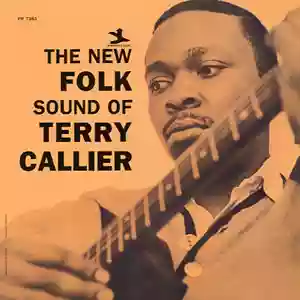
As ignorant as I am, I didn't know Terry Callier at all, but his debut "The New Folk Sound Of Terry Callier" was highly recommended by a friend who has unlimited credibility in music matters. The slow stride of “900 Miles” was what I was looking for to cover that bitter taste that had settled in my mouth. Callier's voice is warm, reassuring, and yes, it pleases me when it intensifies with the crescendo until the end. I turn up the volume knob to listen again to the ballad “Johnny Be Gay If You Can Be” with its calm voice perfectly set on a delicate arpeggio. It feels like watching a tightrope walker in action, and the harmony ending in diminuendo spreads through the room. The dog barking in the distance seems to be appreciating it. I let the breeze slap me on the small balcony: the bass in “Cotton Eyed Joe” creates this still atmosphere of total peace, I feel like I'm inside a soap bubble that slowly rises, pushed by a wonderful sigh that doesn't need power to give me goosebumps. I close this description with what should be the most famous song of the work, titled “It’s About Me”. A piece whose sad verses, soaked in hope for the future, reveal the desire to emerge of a young talented artist using a stronger and more powerful tone in this track.
Eight songs ending with the most intricate “I’m A Drifter” to savor and enjoy slowly, for a high-level album, an elegant mix of jazz, soul, blues, and folk that deserves to be rediscovered. The CD is finished, and I feel good; I can perceive the heartbeat slowing down, relaxing. I see the filth leaving, the beauty of life coming in.
I play it again.
Loading comments slowly
Summary by Bot
The reviewer discovers Terry Callier's debut album on a difficult day and finds solace in its warm blend of folk, jazz, and soul. Highlighting tracks like “900 Miles,” “Johnny Be Gay If You Can Be,” and “It’s About Me,” the album’s peaceful yet powerful tone creates a relaxing and emotional listening experience. The music is praised for its elegance and emotional depth, earning a strong recommendation for those seeking a timeless and heartfelt sound.Tracklist Videos
Terry Callier
Terry Callier (1945–2012) was an American singer‑songwriter and guitarist from Chicago who fused folk, soul and jazz. After early sessions in the mid‑1960s, he issued landmark Cadet albums in 1972 including Occasional Rain and What Color Is Love with producer/arranger Charles Stepney. He stepped away in the 1980s to work as a computer programmer, then returned in the late 1990s, collaborating with 4Hero, Beth Orton, Massive Attack and Paul Weller.04 Reviews
