
 •
Rating:
•
Rating:
THE REVIEW
“…That’ s the trouble! Forgot the trouble! That’ s the trouble! Forgot the traaaabol! That’ s the traaaaabol!...”
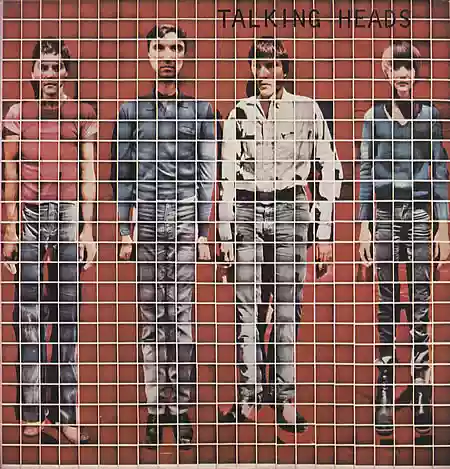
The Talking Heads were geniuses: stuff that you listen to today and think that clubs are missing something big by playing that Latin-American or techno-house garbage, crafted at the record label's marketing table, instead of, I don't know, a song like With Our Love, an engaging funky rhythm from the first notes, the crazy hysterical voice of David Byrne, typically “new wave” guitar riffs, never abandoning their talent for catchiness, makes even a couch potato like me want to dance… it’s a dream I know, but can you really imagine a place where they play the Talking Heads?
Oh yes, the geniuses of rhythm: someone like Brian Eno realized it right away and, after their first album, 77, didn’t let them get away and decided to produce them for this second album. An album that starts where the previous one ended, with Thank You For Sending Me An Angel which is like the tail of Pulled Up, a melody that seems to gather momentum from afar on the keyboard notes, frenetic and repeated incessantly, with Byrne’s vocal virtuosity starting at full speed.
After the track mentioned above, we proceed with the glam-pop of The Good Thing, but after two verses, this is what's special about these guys!, here's the change of rhythm, marked by the singer's anxious and convulsive voice, which, as usual, seems to handle a tool, making it rhythmic and nervous, then an incredible hysterical and scathing coda with the duel between David's vocalizing and the guitar. And on to Warning Sign, a slow but always funky melody emphasized by electronic effects like gusts of wind (“made in Enoland”) plus a dissonant guitar arpeggio of two close notes repeated multiple times, which creates a disorienting-deviant effect that culminates in a surprising off-beat break: a structure that repeats throughout the song, with Byrne appearing as an insomniac who can't find a position in bed and tosses and turns rambling.
Almost spoken, whining, schizoid, tormented, but rhythmic, still terribly rhythmic. We enter pop territory with The Girls Want To Be With The Girls, dominated by '70s disco keyboards, creating catchy melodies, with the usual extra touch given by the voice, less frantic but equally distinctive. Then an authentic funky masterpiece (listen to how absolutely rhythmic the guitar is), Found A Job, at times almost rap, ending with a purely instrumental finale perfectly synthesizing danceability and paranoid hysteria, and following, the masterpiece: Artists Only. Intro with guitar arpeggio, the usual rhythm change, a melody almost rapped by a very tense Byrne doubled by almost furious keyboards (with high notes contrasting with his deep voice), with the bass providing a counterpoint; then a brief thriller-movie interlude (reminiscent of the initial part of Interstellar Overdrive, just after the introductory riff) building up to the singer's scream, starting again after the tension builds with the nervous rhythm from before.
Subsequently, funk alternated with more purely punk-“new wave” sounds in the chorus in I’m not In Love, then Stay Hungry, another disco track (always intellectual disco, mind you, and above all always funk) with glam hints in the refrain and a finale where Byrne appears almost reflective, always between the spoken and sung but now calm, as if in thoughtful repose.
The last two tracks are where I feel Brian Eno's influence the most. Take Me To The River, a cover of Al Green, was one of the group's biggest hits, but it represents also one of their most experimental tracks, “newwaving” a classic soul song. It is, in fact, rendered completely different from the original thanks to typically “talkingheadian” arrangements, combined with numerous electronic effects, insights that guide the band towards their future path (see the masterpiece Remain In Light, through the splendid Drugs from their third album): the rhythm for once is slow, but the tension focuses on all those staccatos, both in the singing and in the instrumental-electronic accompaniment, and culminates in the final hysteria, made of vocal and guitar screams, releasing previously accumulated neurotic energy, yet at the same time restrained within the still-flat cadence (when they make these slow tracks that manage to convey such a sense of rhythmic neurosis it gives me chills…).
The finale is Big Country, instrumental country (!), with mandolin, with jazz (!) overtones, a splendid sax (!) creating a romantic and intimate atmosphere, finally peaceful; but note the bass line instead typically funky which gives the group’s most distinctive shade.
A genius record, like all the first four of this magical group, similar to Devo but less punk, not far from the Pop Group but more pop, to take with eyes closed, if you have at least a bit of taste for rhythm.
Ah yes… Rhythm. You didn’t catch that, right? (try typing “rhyt” in “Find on this page” and you’ll see… )
Loading comments slowly
Summary by Bot
This review praises Talking Heads' second album for its unique blend of funk, new wave, and experimental rhythms. The collaboration with Brian Eno is highlighted as a critical influence. Standout tracks like 'With Our Love' and 'Artists Only' exemplify the album's rhythmic mastery and vocal intensity. The album is regarded as a timeless, danceable, and intellectually stimulating work. Overall, it celebrates the band's pioneering sound and lasting impact.Tracklist Lyrics Videos
Talking Heads
Talking Heads were an American band formed in the mid-1970s, known for combining new wave with funk, art-rock experimentation, and sharply observed themes of modern life.19 Reviews
Other reviews
By mojo
"What serves our case if not, when it’s the case, drawing randomly?"
"An album about alienation is also an enjoyable album."
