
 •
Rating:
•
Rating:
THE REVIEW
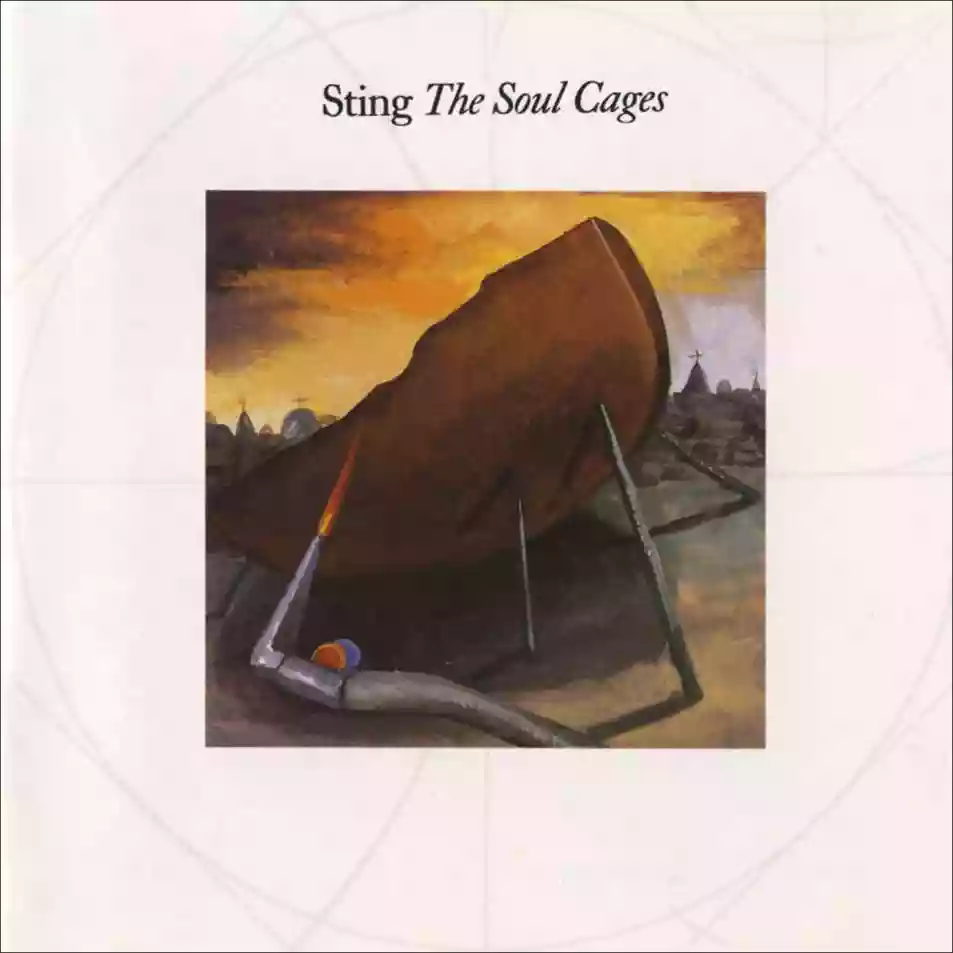
In recent days, Sting has imposed a healthy self-punishment on himself for having sought too much easy sales success with records that do not live up to his fame and especially his musical knowledge. A collection of ballads by John Dowland, an English composer from the 16th and 17th centuries, has been released, theoretically an almost unsellable genre of music, but with his Midas touch, you never know. To be honest, even the tumble that saw him fall from the somewhat polished but smart jazz-pop of "The Dream Of The Blue Turtles" to the mediocrity of "Sacred Life" is full of footholds, protruding stones, and bushes to which the former Police could cling before falling. One of these is called "The Soul Cages" (1987) and corresponds to a difficult phase in Sting's life, full of tragic and traumatic events. This also explains the unusual spontaneity of this album, which contrasts with the coldness of the character, well known even to his admirers.
Sting has not lost the habit of surrounding himself with excellent jazz musicians: here we find Manu Katché's drums, Kenny Kirkland's keyboards, Dominic Miller's guitars, and Branford Marsalis's sax, with the addition of the Celtic touch of Northumberland's bagpipes, his region of origin. All this guarantees a record played impeccably. However, Sting has not entirely lost the habit of capturing the easy-going audience, and "All This Time" is built for this purpose, the classic radio rock, with a rather clichéd refrain. But the ways of the Market are endless, and at least as far as Italy is concerned, the hit that will drive the album sales will be the pleasant ballad "Mad About You", with its clear acoustic guitar resonances, and the best part is that all this is thanks to a translation by Zucchero ("Muoio per te"), so nonsensical and ungrammatical that it seems made by a child who doesn’t know English. Mysteries of the Market, to which we bow respectfully.
There is much better in "The Soul Cages", starting right from the initial "Island Of Souls", a true hidden gem in which the icy Sting succeeds in the feat of moving. The story of Billy, the son of a shipyard worker in Newcastle (Sting's hometown), who dreams of sailing towards an island of souls with his father, recently deceased in "what they call an industrial accident," is one of those you don't expect from a dashing cynic like the former Police. The image of work in the shipyards, with men "hanging like flies on the scaffolding" is remarkable, and even more inspired is the music, from the bagpipe introduction to the hypnotic jazzy bass cadences that sustain the entire piece, with the ending fading again into the sinister wail of the Northumberland instrument, as piercing as a ship's siren.
Another gem that remained virtually unnoticed is the evocative, impressionistic "The Wild Wild Sea", a real tidal wave of sensations related to the difficult relationship with the sea, with a dramatic crescendo, swirling like a rogue wave, which also in this case ends by merging with the alarming final siren of the bagpipe. Also notable is "Jeremiah Blues (Part 1)", which has been waiting for 19 years to be completed by a possible "Part 2". It's called blues but is loose and danceable like a soul, and it gives its best in the final part, with Dominic Miller's electric guitar solo standing out sharply against the stubborn beat of Sting's bass. The stubborn "The Soul Cages" seems more typically blues, which has the only flaw of stretching out a bit too long, although it must be said that halfway through the piece it incorporates a reprise of the poignant melody of "Island Of Souls".
"Saint Agnes And The Burning Train" is a pleasant instrumental interlude placed right in the middle of the album, a sort of ideal sequel to "Fragile", but without lyrics. It is the acoustic guitar of Dominic Miller speaking, engaged in fine evolutions in the manner (only in the manner) of Paco De Lucia. Completing the picture are "Why Should I Cry For You" and "When The Angels Fall", two majestic and somewhat ambitious melodic ballads, not really too inspired to be honest, especially the second one, with its ending stretched beyond measure, perhaps just to close the album solemnly. Despite their evident limitations, Sting's interpretation, and especially that of the jazz musicians accompanying him, manages to make them not unpleasant, which applies all the more to the aforementioned "All This Time", the other blot (the most evident) on an album that is excellent and worth reevaluating, along with poor (so to speak) Sting, harshly criticized well beyond his faults.
Loading comments slowly
Summary by Bot
The Soul Cages captures a difficult period in Sting's life with a unique blend of jazz and Celtic influences. The album is played impeccably by top musicians, showcasing emotional depth and strong storytelling. Despite some mainstream attempts, the work remains a hidden gem. Tracks like "Island Of Souls" and "The Wild Wild Sea" offer profound reflections on loss and heritage. Overall, the album deserves a reevaluation as a profound artistic statement.Tracklist Lyrics Videos
Sting
Sting (Gordon Matthew Thomas Sumner) is a British singer-songwriter and bassist, best known as the frontman of The Police and for a long solo career blending pop/rock songwriting with jazz and other influences.23 Reviews
