
 •
Rating:
•
Rating:
THE REVIEW
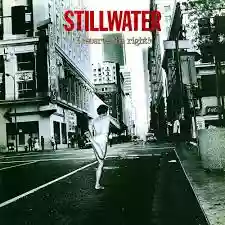
The second album by the Georgians Stillwater, released in 1978, is their best; better played and produced than their debut the year before, and more varied. The misleading cover with a jogger stripped down to his underwear sprinting through Manhattan momentarily conceals the musical genre of the work: good old Southern rock, in this case, heavily tinged with poppy rhythm & blues.
This is the case with the excellent "Women (Beautiful Women)": strokes of electric piano laying out sophisticated chords and the voice of drummer Sebie Lacey, so soulful and high, decisively pull the band away from their southern area, although a talk box solo is there to remind us we're in the presence of a hyper-guitaristic combo. The same departure from the hard "base" is found in "Keeping Myself Alive" adorned with brass, the syncopated "Fair Warning" full of clavinet, and the almost funky "California Cool." However, they're not always effective; they are, in fact, actual pop songs, albeit with some tough lead guitar in the middle to remind us which side of the USA we're on and to rescue the group from triteness.
Nevertheless, "Sometimes Sunshine" manages to set things straight: a great ballad with a catchy melody and poignant vocal delivery. We're in the realm, with a pinch of imagination, of... Billy Joel, though ignoring the instrumental interlude entrusted to the usual pair of power guitars in spirited harmony. Even more of the essence of excellent BJ (who, we recall, was a young rocker converted to adult pop but never entirely) emanates from the sweet "Alone on a Saturday Night," brief, intimate, and warm, without an electric guitar in sight for once.
The battles of Gibson Led Paul inside the cranked-up Peaveys, mandatory for a respectable southern band with no less than three members in its ranks, are mostly reserved in this instance for the eponymous track that opens the album, stretched for the occasion to over seven minutes, and the concluding "Ain't We A Pair" which starts with a soul vocals duet, male and female, but then explodes into the most uncontrollable instrumental rock.
It remains evident in this second record the attempt of the Georgian group to make themselves appealing and marketable, smoothing some rough edges and veering toward great American entertainment music, deeply linked to rhythm & blues: all in vain, the results will be visible, but essentially lukewarm, and there will be no more chances for these good ones, abandoned by the record label.
A reunion and a decently quality album at the end of the millennium, with their bellies grown and hair thinning and styled as nature dictates, will yield no breakthroughs, and Stillwater will remain confined to the club scene, entertaining a hundred or two people at a time. Honor to them... there's no place for everyone on the winners' wagon; but their records are still circulating (especially this one), and I urge you not to miss out on them.
Loading comments slowly
Summary by Bot
Stillwater's second album from 1978, 'I Reserve the Right,' represents their best work, combining southern rock with pop-infused rhythm and blues. It features more sophistication in production and varied musical styles. Despite efforts to appeal broadly, the album achieved moderate recognition. Key tracks showcase soulful vocals, electric piano, and compelling guitar work. The band later remained limited to club scenes but left a lasting impression with this album.
Stillwater
A septet from Georgia (USA) active in the late 1970s, Stillwater released a 1977 debut and the 1978 album I Reserve the Right. Reviews note three-guitar interplay, R&B and pop influences, standout tracks that include the single "Mind Bender", and a later reunion with a final album at the end of the millennium before they ceased activity.02 Reviews
