
 •
Rating:
•
Rating:
THE REVIEW
Once upon a time, there was the Delta blues, folk guitars sketching a weary and swampy atmosphere, the toil of African Americans bent over cotton fields, the troubled parties in juke joints...and once upon a time, there were crossroads too, where - if you were a street musician - you could even make a deal with the devil.
The banks of the Mississippi, the world of Son House, which perhaps follows the popularity of Robert Johnson, even though House remains the author of what is today considered the most candid and sober manifesto of delta blues: Death Letter.
Yes, sure, Johnson had his Sweet Home Chicago, which even the walls know today thanks to a very famous adaptation by The Blues Brothers, and also thanks to a lesser-known version by the equally famous white bluesman Eric Clapton...oh, if you look around, there are plenty, eh? The Spoonful Blues by the acrobat Charley Patton comes to mind (acrobat because he played with the guitar on his neck, thirty years before Hendrix did it). Or, let's see... again...ah! Devil Got My Woman by Skip James! a sharp, exhausted, and dark lament of the swamp blues.
The aforementioned artists were among those who managed to capture the blues in its raw form. Then there were those who had other influences as well, like the folk blues of Leadbelly or John Hurt. A separate discussion for Big Bill Broonzy, who from the twenties to the thirties played country blues, then in the forties, moved to electric instruments, effectively becoming one of the patriarchs of Chicago blues.
Speaking of the Chicago scene: the urban blues that buries the rural blues...a piece of history that dies, new names on the scene: Muddy Waters, Howlin' Wolf, Sonny Boy Williamson...all grown near the Mississippi - Williamson even played back in the delta times, although he was only born discographically in 1959. The result? The old musicians in early retirement. Our House, for example, was hired as a laborer in New York, in 1943.
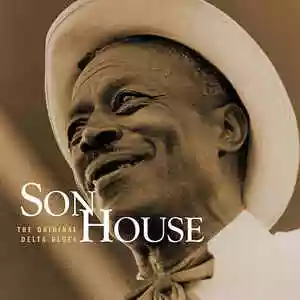
This album was born in 1965, during the folk revival period. It might have been thanks to Dylan, to Joan Benz, who knows...but the fact is many old-school musicians were called up, to once again take up the dear old folk guitar, including Son House, who in this The Original Delta Blues, offers us a sound fresco of his old material, edited and recorded with more modern means.
Indeed, it's a pleasure to hear an older Son House reinterpret the aforementioned Death Letter, Pearline, or the picturesque John the Revelator, inspired by a late 19th-century work chant, here in a form as genuine as can be: not even a strum on the guitar strings; just voice and hand claps! There are also the railroad dramas of Empire State Express, or unexpectedly, an excellent arrangement of mouth harmonica in Leeve Camp Moan... and while listening, you wonder how many times House must have performed it with Willie Brown...
One important thing: being a recording from the sixties, there isn't the classic and damnably perpetual crackle reproduced, not only by the original tapes but also by the old 78 records, when basically you had to spend the whole day next to the gramophone, turning the record that only had one track per side. Let's put it this way: the songs are always the same, so if you like absolute genuineness, listen to the recordings from the thirties, otherwise listen to this one, it's fine.
A man, a guitar, a music tormented and spirited. Tons of craft and gallons of sweat...take it or leave it!
Loading comments slowly
Summary by Bot
This review celebrates Son House's album The Original Delta Blues as a vital and authentic piece of Delta blues history. It highlights the album's place during the 1960s folk revival and Son House's emotional, raw performance style. The review contextualizes Son House among legendary blues artists and praises the album's quality without the older recordings’ crackle. It emphasizes the timeless spirit and craft behind the music.Tracklist Lyrics
Son House
Eddie James "Son" House Jr. was an American Delta blues singer and guitarist, a seminal figure whose slide guitar and fervent vocal delivery influenced later bluesmen.02 Reviews
