
 •
Rating:
•
Rating:
THE REVIEW
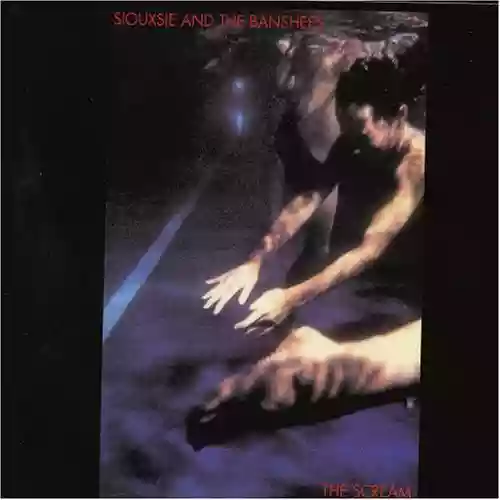
I don't know what the vibe was like in England in '78 of the last century, but it certainly was a rather heavy atmosphere. Among the clanging, screams, syncopation, and screeches, this album, the debut of Siouxsie and The Banshees, paints a picture of alienation and maladjustment that leaves you quite somber after listening. Let's be clear right away: it is neither an easy nor a light album. And some might say it's not even good, but who can say what a river will be like at the mouth by looking at the source? The sound pays tribute to punk, but by incorporating dark elements, with obsessive, square, martial melodies. Even the clothes go dark, black leather wraps around bodies, and stockings tear: welcome to dark-punk!
The dance starts with "Pure": from the lament of the bass, a languid guitar introduces the depressed atmosphere that Siouxsie Sioux's screams sublimate into alienation. Are you cold? There's no time because from the bass line emerges a rattling guitar, everything grows, the drums come in and then off we go into the gallop of "Jigsaw Feeling," a track that is somewhat the sum of what's to come in the rest of the album. The epic elegance of "Overground" with those few guitar chords (one of the best tracks, because it's different from the rest), gives way to "Carcass," which strongly resembles Lou Reed's "Vicious" in its intro, but then it's a classic punk song with a chorus to shout at the top of your lungs (ahem, I can see you singing "Be a carcass - Be a dead pork/Be limblessy in love"). There's also room for the cover of the Beatles' "Helter Skelter" (from the "White Album") rendered much more furious, both in the vocals and in the sound, making it a sure bet for a "pogofest". This is followed by a triad of alienation with "Metal Postcard," "Nicotine Stain," and "Suburban Relapse," all based on the obsessive form of the melodies (indeed, very poor): a clear example of the group's compositional limitations. The album closes with one of its best moments: introduced by an arpeggio that gradually envelops, we enter "Switch," a reflection on the state of things accompanied by the melody of the saxophone.
The merits of this album lie not so much in its musical qualities, but in being seminal: indeed it helped to chart the course of dark-punk, especially iconographically.
Loading comments slowly
Summary by Bot
The Scream, the 1978 debut by Siouxsie & The Banshees, is a dark, heavy, and seminal punk album. It captures themes of alienation with intense vocals and martial melodies. Despite some compositional limitations, it significantly shaped the dark-punk style and iconography.Tracklist Lyrics Videos
Siouxsie and the Banshees
Siouxsie and the Banshees were a British band associated with punk’s aftermath and the rise of post-punk and gothic rock, fronted by Siouxsie Sioux. Reviews describe their early era as austere and alienated, later expanding into electronics, pop-leaning songwriting, and stylistic experimentation, while remaining influential for gothic iconography and sound.13 Reviews
