
 •
Rating:
•
Rating:
THE REVIEW
Low fidelity is a fond memory. Sebadoh is one of the countless possibilities you might stumble upon sooner or later. Among those bands you mentally record and then instantly lose, ones you don't seek out but that eventually find you.
"Is Gigi there?"
"No."
"But we're Sebadoh."
"Ah, ok. Come on up."
Spawned in the early '90s from the excessively music-obsessed ego of a Lou Barlow capable of clashing with J Mascis, getting kicked out of Dinosaur Jr, and insisting on having the last word (see the commercial success of the parallel Folk Implosion ten years later), Sebadoh churned out an excessive quantity of good albums (with honorable mention at least for "Bakesale" and "Harmacy") establishing themselves as scruffy representatives of indie rock tout court. Several years pass, and the new century is at the doorstep.
Pause. Stop. Play.
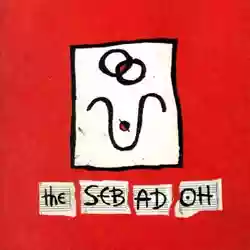
Having abandoned the soft existentialism in rhymed couplets as well as the taste for lo-fi recordings, Sebadoh here tap into the more genuinely carefree and immediate aspect of their music. As if they suddenly felt the need to invigorate themselves with something simple and gratifying. An ice-cold beer on the most fun night of the week. Some healthy sex with the girl from the copy shop. What matters is not stopping. So the shapes of pop are to be recomposed by a renewed electric vein and set into an exceptional songwriting with a punk undertone: dirty, tense guitars, amplifier hums, electronic dissonances, frequency saturations in megahertz, and especially a rhythmic section as round as a steel bearing. And so it happens that bassist Jason Loewenstein, from an awkward supporting role, finds himself handling half of the tracks, and for the critics, it's as if they have the plague. "Disappointing self-titled return" will shoot the specialized magazines. In reality, the guy lashes his four strings like a force of nature and provides for the first time a perfect counterbalance to Lou Barlow's depressed genius. It comes out as an appealing mix halfway between goofiness and thoughtfulness: Husker Du and Pavement remixed by Steve Albini. The ambition is high, the album full of potential hits just over three minutes long. And a terrifying trio in the core of it: "Nick Of Time", "Flame" (whoa!!!), and "So Long" burn fast and leave their mark on the vocal cords. The recording's tone is clean, full-bodied, and highlights Sebadoh's great strength: the innate ability to use three chords with extraordinary melodic sense while also making the walls of the rehearsal room shake. The transversal ability to tinge their very personal rock with well-disguised post-punk, folk, and grunge riffs.
Only one flaw: placed in its time (the year is 1999), this album loses much of its charm as it’s now overtaken on the right and in triple lane.
But it still keeps its 130 kilometers per hour, and you can be sure it will arrive sooner or later.
Loading comments slowly
Summary by Bot
Sebadoh’s self-titled 1999 album marks a shift from their classic lo-fi sound to a cleaner, punchier indie rock style. Jason Loewenstein steps up alongside Lou Barlow, delivering intense and catchy tracks. The album blends punk, folk, and grunge influences with a melodic yet raw edge. Despite some critical backlash at release, the record showcases strong songwriting and energetic performances, though it later feels somewhat outdated in its era.Tracklist Lyrics Videos
Sebadoh
Sebadoh is an American indie rock band formed in 1986 in Northampton, Massachusetts by Lou Barlow and Eric Gaffney, later joined by Jason Loewenstein. A leading voice in 1990s lo‑fi and DIY recording, they issued landmark albums such as III, Bubble and Scrape, Bakesale, and Harmacy, followed by a 1999 self‑titled set and post‑reunion releases including Defend Yourself and Act Surprised.06 Reviews
