
 •
Rating:
•
Rating:
THE REVIEW
Do you know Tarantino?
One of his great qualities, in my opinion, is his ability to engrave the characters' stories into the viewer's mind using only the trick of detail.
Mr. Blonde and Eddie throw themselves on the ground and playfully wrestle while Joe Cabot scolds them for their childish behavior. With this scene, the director hints to us that they are childhood friends, but it's not clearly shown. Mr. Pink escapes from the warehouse with the stolen money, but the sound of gunfire casts a shadow of mystery over the events; did he make it?
Samuele Bersani, with his conclusive "ciao" in Chicco e Spillo to emphasize a dramatic finale, doesn't kid around. As much as it may seem out of place to associate the two figures, I find this song as Tarantino-like as few others. And he doesn’t joke with the competent use of metaphor either, when he shows you a woman, subjugated and lacking personality, at the mercy of her so-called tough man, comparing her to a tiger forced into a circus in Domatore.
The most curious aspect in Chicco e Spillo (a downward parable narrating a heist gone wrong) is the contrast between words and music. The gloominess of one and the apparent carefreeness of the other, which adapts to the context during moments of suspense only to return to its nature with the main motif; like a world that, despite the tragic end of the two brothers, goes on nonetheless. They will continue to air another Alberto Sordi film on television. A hint of neorealism.
The metaphor of the animal, exploited like a toy, discarded, shattered, and mocked. All this is Il Mostro.
What would I do to be able to touch it, what would I do.
Because there is no distinction between the witch hunt, the nineties of this album, and the current decade. There will always be jerks ready to point fingers; they will underline us versus them and infiltrate those who are not jerks with their hypocritical phrases and their next-door preachers' morality.
The same ones who say the victim is weak, the same who despise you but want to look at you more closely. The unfounded fear of the creature is a mask hiding the basest lowness of the soul. This theme will be revisited and expanded later in the song Cattiva.
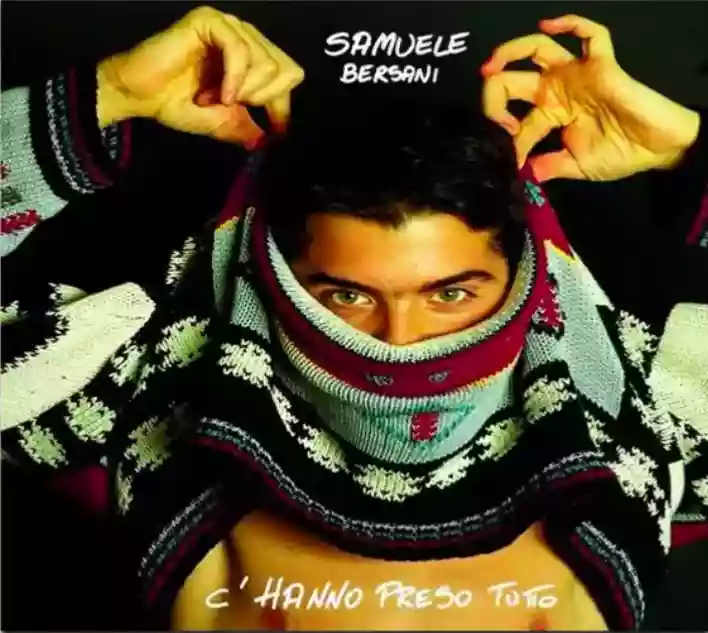
As a good author, Samuele Bersani weaves a world into the lyrics of this debut.
Anguish pervades 2 Settembre and Dalla Piccola Finestra. The crisis of abandonment and the fear of leaving the house, of relating to a world that might not understand us or that perhaps we wouldn't understand. If only the girl observed by the protagonist would come up and convince him, it would undoubtedly be a happy ending. If only.
The album's title is taken from the lyrics of the last track, Bottiglie Vuote.
Lucio Dalla, after discovering the young man, takes him on tour and has him perform at his concerts; the musicians present on the album are, in fact, the same ones who accompany the Bolognese singer-songwriter on the Cambio tour. The constant understanding over the years will be beneficial for both.
From the second album Freak, autobiographical elements will become increasingly present in Samuele Bersani's work.
As for his career, Italian cantautor pop will rarely be as frank or reach original compositional heights of this kind, I am almost certain.
Loading comments slowly
Summary by Bot
Samuele Bersani’s debut album C'hanno preso tutto is praised for its vivid storytelling and dramatic metaphors, reminiscent of Tarantino’s style. The review highlights the contrast between gloomy lyrics and playful music, with themes of victimization and societal hypocrisy. Connections to Italian neorealism and Lucio Dalla’s support are noted. The album marks a high point in Italian cantautor pop and sets the stage for Bersani's evolving autobiographical work.Tracklist Lyrics Videos
Samuele Bersani
Italian singer-songwriter from Cattolica (Rimini), active since 1991. Discovered and supported by Lucio Dalla, he’s known for narrative-rich pop songs like Giudizi universali, Chicco e Spillo, Spaccacuore and albums including Freak, L’oroscopo speciale, Caramella smog and Cinema Samuele. At Sanremo 2012 he presented Un pallone, earning the critics’ prize.13 Reviews
