
 •
Rating:
•
Rating:
THE REVIEW
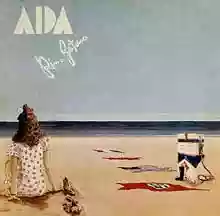
Leaving behind semi-anonymity, Rino Gaetano is increasingly moving towards success. From '76 to '80 he released albums annually, all of excellent quality. "Aida", released in 1977, is more rhythmic and varied than the previous two, with more collaborators and better production. Unfortunately, among the three CDs I own of Rino, this is the one I appreciate the least: unlike "Mio Fratello è Figlio Unico" and "Nuntereggae Più", not all tracks are memorable, some could have been developed better, they seem more like sketches, probably written in haste.
The title track opens the work: following an idea already developed in "Sfiorivano le Viole", from the previous work, in this ballad, embellished by sax solos, Rino tells the story of the 20th century, among Marlene, Charlot, the Constituent Assembly, swastikas, and the great conflict, and over all this there she is, Aida, of incomparable beauty. It is followed by "Fontana Chiara", almost entirely instrumental, made very melodic by the piano and the string section, which duet in unison throughout the track. The most satirical Rino Gaetano emerges in "Spendi Spandi Effendi": a cheerful melody serves as the backdrop for a text centered on the theme of the rising cost of oil "Ti sei fatto il palazzo sul Jumbo/ noi invece corriamo sempre appresso all'ambo/ ambo terno tombola e cinquina/ se vinco mi danno un litro di benzina", and behind all this, there are the rich oriental sheikhs, rubbing their hands with glee. A track still relevant despite being 30 years old.
The text of "Sei Ottavi" seems almost like a fairy tale to be told to children at night, among starry nights, snow-capped mountains, and prince charmings, sung by Rino and a female voice, on a music almost medieval, with acoustic guitars and flutes highlighted. The story of a finished love and the despair of the discarded lover serves as the background for "Escluso il Cane": Rino's scratchy and powerful voice delivers an excellent performance, you can almost hear the thoughts of this lover wandering alone through the dark streets at night, accompanied only by his dog. "La Festa di Maria" is another sad song with a Spanish flavor. The text is full of double meanings, "Solo lei ce l'ha/ solo lei la sa dare/ ma non è la festa mia/ è la festa solamente di Maria". If so far the album has settled on high levels, the last three tracks are a bit subdued. Starting with "Rare Tracce", an r'n'b with an almost rap-like singing, where Rino exposes the exhaustion of modern life, which makes us all flat and similar. More bluesy is "Standard", which anticipates what will make the lyrics of "Nuntereggae Più" very famous, pairing names of famous people in a sarcastic and irreverent way ("Juan Lyon's, July Andreotten, Halde Moore, Emyle Coulombe, Maryanne Roumorh, Donaccatten, Fanfonfanfan, Papammontin"). It closes with "OK Papà", which opens with the chorus of "Aida", then transforms into another cheerful and carefree melody, with an unconventional and provoking text, featuring a hilariously nonsensical chorus sung by a children's choir.
As I write this review, Rai Uno is broadcasting a miniseries about the history of that great artist who was Rino Gaetano. Another sign that this little great "talking cricket" has not yet been forgotten.
RATING = 7
Loading comments slowly
Summary by Bot
Rino Gaetano's 1977 album 'Aida' showcases rhythmic variety and better production than earlier works. While some tracks shine with vivid storytelling and satire, others feel like rushed sketches. Highlights include the title track's historical ballad and the satirical 'Spendi Spandi Effendi.' Though not the reviewer's favorite Rino album, it remains an important part of his legacy.Tracklist Lyrics Videos
Rino Gaetano
Rino Gaetano (Salvatore Antonio Gaetano) was an Italian singer-songwriter known for ironic, provocative songwriting that mixed catchy melodies with sharp social and political commentary. He rose to national popularity around the late 1970s, including a breakthrough at the Sanremo Festival with “Gianna,” and died in Rome in a road accident on June 2, 1981.14 Reviews
Other reviews
By Lazzaroblu
"Musically mediocre, he wrote lyrics that seemed carefree but were anything but."
"Rino Gaetano created songs that transcend common language, becoming a new language to be offered to everyone."
