
 •
Rating:
•
Rating:
THE REVIEW
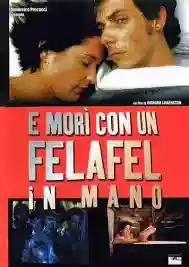
He died with a Felafel in his hand. A title that could be a story, like Hemingway's, “For sale: baby shoes, never worn”, but with two more words.
We are shattered. And the fact is that cohabitation has become a generational situation, a tribal rite, a situation of anthropological interest.
Novels and TV series, university research and fashion articles, judicial inquiries and bar stories have talked about it. However, some of the most iconic stories are found within this Australian film.
It's a film loaded with a beat-pop, pulp and bohemian culture: from Tarantino to J. D. Salinger, passing by On the road and Trainspotting, and then, from Clerks to Love and Other Catastrophes, from Dostoevsky and Tolstoy, from Nick Cave to The Stranglers, and a caravan of extraordinary rock music.
However, that's not all. Is that all? I said no.
It's not all because the protagonists are scatterbrained and drifting, wasted and dissociated, artists and fools, deliriously out of their minds.
And in the dialogues, the characters don't say the first thing that would normally come to mind, nor the second. They say the third, the fourth, the fifth, the seventh.
And so they appear illogical, surreal, without an end.
Danny: “Do you want to marry me?”
Sam: “I can't, I have to go out.”
And yet, it's all in there: socialism and peripatetics, murders and homosexuality, Nick Cave and suicides, love and friendship.
The story proceeds rhythmically among absurd characters, fourth-thought dialogues, and a tank of rock music.
And does it end without an apparent logic?
This time yes, that's all there is to it! What else should there be? In the end, it's all an illusion, this filthy slime of existence: we are all, without exception, subjects who feel a sense of infinity in the spirit and, aware of our corporeal finiteness, nonetheless do not go crazy but carry on with their lives facing pains and afflictions, deaths and desperate loves.
Loading comments slowly
Summary by Bot
Richard Lowenstein's film 'He died with a Felafel in his hand' presents a raw, surreal depiction of Australian youth cohabitation culture. Combining elements of beat-pop, pulp, and bohemian lifestyles, it explores themes of friendship, love, art, and social issues through absurd, offbeat dialogue and a rock soundtrack. While it lacks a logical ending, the film reflects on existence and human resilience amidst chaos and pain. The movie remains an iconic story capturing a unique generational experience.
Richard Lowenstein
Richard Lowenstein is an Australian film director and screenwriter known for cult narratives and music-driven cinema, from Dogs in Space to He Died with a Felafel in His Hand and the documentary Mystify: Michael Hutchence.03 Reviews
Other reviews
By simakiku86
"If prostituting oneself means renting one’s body, marrying means selling it"
"Danny is a man in trouble who still manages to be happy, to live fully and intensely, to play his favorite song on the guitar."
