
 •
Rating:
•
Rating:
THE REVIEW
Powerful and immense appears the Reverend, right from its creation. It was 1996 when, through arcane rituals and lost legends, a trio was formed destined to leave us with important pages in the most monolithic stone of doom metal. They call themselves Albert Witchfinder, Peter Vicar and Earl Of Void and they have nothing in common with the romantic doom of early Anathema or My Dying Bride. Theirs is a more classic attitude, linked to their "cousins" Candlemass: take the band of Messiah Marcolin to the extreme and you get the sick concoction that generated this Finnish combo.
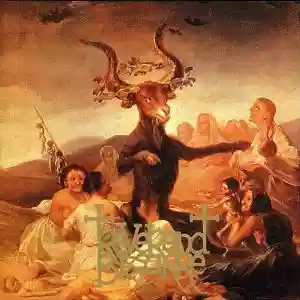
Already from the cover, you can understand the style and attitude of the band: a way of playing perfected over the years through a series of demos, before the release of "In the rectory of the bizarre reverend," the first true studio album, published in 2002.
The guitar collapse of "Burn in hell" sets the first stakes for the listener: an elephantine sound erodes human resistance for eight minutes, only the prelude to what will come next. The lyrics convey a strong sense of anticlericalism and a Catholic rejection of the "Church" institution: themes that persist throughout the entire CD. The atmosphere is dismal in the following and equally rocky "In the rectory", tempered by a sudden acceleration in the middle that gives the song a vaguely psychedelic and stoner rock aftertaste. The unsuspecting listener, already worn down by the two landslides just passed, seeks refuge from the merciless rockfall of "The hour of death" and "Sodoma sunrise", but is once again crushed by the weight of the compositions. This latter one is also noted for a central acceleration that is absolutely engaging and in harmony with the ruinous surrounding landscape. Additionally, a certain dose of melody and a psych soup emerge when Vicar's guitar solos surface. Finally, there comes the suffocating ascent to "Cirith Ungol", both a way to celebrate Baker's band and to exalt the pen of master John Ronald Reuel Tolkien. Over 20 minutes of odyssey between stones and suffering, perfectly evoked by the song's painful and piercing introduction. Perhaps stretched out a bit too long and at times monotonous, but absolutely brave in composition and final result.
At the end of this very long journey through godforsaken moors, mystical rites, and vaguely dreamlike impulses, what emerges is the compositional power of a debut that, with each listen, increasingly takes on the appearance of an ancestral and immutable dolmen.
1. "Burn In Hell" (8:52)
2. "In The Rectory" (13:10)
3. "The Hour Of Death" (11:48)
4. "Sodoma Sunrise" (13:29)
5. "Doomsower" (5:37)
6. "Cirith Ungol" (21:10)
Loading comments slowly
Summary by Bot
Reverend Bizarre's debut album "In The Rectory Of The Bizarre Reverend" is a powerful and monolithic landmark in doom metal. The Finnish trio delivers heavy riffs paired with anticlerical and mystical lyrics. The album includes epic, lengthy tracks that challenge yet engage the listener through their imposing soundscape. Though occasionally lengthy, the compositions remain brave and deeply atmospheric.Tracklist Lyrics Videos
Reverend Bizarre
Reverend Bizarre are a Finnish doom metal trio from Lohja, active from 1996 to 2007. Renowned for traditional, ultra-slow, and heavy doom, they released three monumental studio albums culminating in III: So Long Suckers.03 Reviews
