 •
Rating:
•
Rating:
THE REVIEW
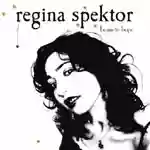
Dedication and originality are the qualities on which Regina Spektor has decided to focus to achieve success. What pleasantly surprises is that now that the young Russian singer-songwriter is regarded by many as an authoritative and skilled artist, dedication and originality have not been overshadowed (as often happens) by easy mass-market commercial writing.
Her return indeed marks a step forward towards maturity, eager as it is to amaze, change the game, and play with genres. Those familiar with Regina’s past know that her previous albums were characterized by sparse arrangements and the almost exclusive presence of the piano as accompaniment. Today, however, she presents us with a more varied album in sounds, an ideal meeting point between folk ("Fidelity", "On The Radio"), jazz ("Lady") and soft-rock ("Better", in collaboration with friend Nick Valensi of the Strokes).
The piano is not abandoned, in fact, we find it in some of the most exciting moments of the album (the re-edition of her most famous piece, "Samson", and "Field Below"). What also positively surprises is the more conscious and educated use Regina makes of it compared to the past, recalling in more than one instance the composure of chamber music typical of the classical tradition of her country ("Apres Mois", "20 Years Of Snow").
This "Begin To Hope" is, in short, an excellent work, engaged and uncommitted just enough, aimed at those who miss the eccentricity of the pre-motherhood Tori Amos and those who are tired of having only Fiona Apple as the sole heroine of female singer-songwriters.
Loading comments slowly
Summary by Bot
Regina Spektor's Begin To Hope showcases a confident and mature artist expanding her sound beyond sparse piano arrangements to include folk, jazz, and soft-rock. The album balances originality with accessibility, avoiding commercial clichés while offering a rich variety of styles. Notable collaborations and sophisticated piano use highlight the work. Fans of female singer-songwriters seeking depth and eccentricity will appreciate this standout album.
Regina Spektor
Russian-born American singer-songwriter and pianist who emerged from New York’s anti-folk scene. Known for piano-driven songs, vivid storytelling, and a blend of indie pop, jazz inflections, and theatrical flair.08 Reviews
