
 •
Rating:
•
Rating:
THE REVIEW
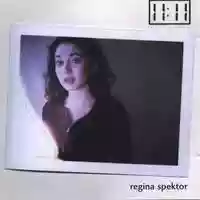
Regina Spektor, Russian-born American singer-songwriter, presented herself to the world in 1999 with “11:11”, her debut album consisting of a handful of songs for voice and piano (and some impromptu percussion). An indie record, made with little money but lots of dedication and skill, only a few copies were printed, making it rare to find in physical form.
Regina has a classical background and uses the piano not just as an accompaniment but as an integral part of her pieces, exploiting the communicative power of this instrument and placing it at the service of her lyrics as only the most capable singer-songwriters like Tori Amos and Fiona Apple can do. But the comparisons with these great music figures end here: Spektor's way of singing and playing is entirely unique and also draws other influences such as American nu-folk and the brechtian cabaret atmospheres of the Dresden Dolls (Amanda Palmer even covered "On the Radio" from “Begin to Hope”).
This record consists of everyday life stories, made strange and unsettling by Regina's personal filters, who manages to see everything with the dreamy eyes of a child (listen to “Building” and the surprise in observing how tall buildings are being constructed nowadays, to believe). And so, if a love affair taking place in an eerie building provides a cue for a delightful opening track seasoned with very peculiar vocal games typically Spektorian ("Love Affair"), we find ourselves catapulted into a world of crazy and dark characters ("Mary Ann" and "Pavlov’s Daughter") that seem to come out of a Tim Burton movie. The most striking example of Spektor's skill in portraying snippets of life and transfiguring them in a disturbing way is the ballad “Braille”, which has now become a true classic of the singer-songwriter.
The atmospheres are jazz (after all, the second track "Re-Jazz" is a clear statement of intent) and at times reminiscent of "Closing Time" by Tom Waits. The arrangements are simple, yet incisive (the sweet “I Want to Sing” a cappella and the conclusive “Sunshine” are two gems that shine precisely because of their simplicity and directness). However, not all tracks manage to maintain the level of the more successful ones, and there are pieces that, while charming, seem more like b-sides waiting to be completed ("Flyin’” and “Wasteside”). But from a debut, it's quite normal to expect some rawness; still, that doesn't take away from the fact that the album is truly enjoyable and reveals a crystalline talent that doesn’t need major productions to stand out. This and the subsequent "Songs" will be a good preparation for what will later be Regina Spektor’s undisputed masterpiece and perfect album, “Soviet Kitsch”.
Braille
She was lying on the floor and counting stretch marks
She hadn't been a virgin and he hadn't been a god
So she named the baby Elvis
To make up for the royalty he lacked
And from then on it was turpentine and patches
From then on it was cold Campbell's from the can
And they were just two jerks playing with matches
'Cause that's all they knew how to play
And it was raining cats and dogs outside of her window
And she knew they'd be destined to become sacred road kill on the way
And she was listening to the sound of heavens shaking
Thinking about puddles, puddles and mistakes
'Cause it's been turpentine and patches
And cold, cold Campbell's from the can
And they were just two jerks playing with matches
'Cause that's all they knew how to play
All they knew how to play
Elvis never could carry a tune
And she thought about this irony as she stared back at the moon
She was tracing her years with her fingers on her skin
Saying why don't I begin again
With turpentine and patches
With cold, cold Campbell's from the can
After all I'm still a jerk playing with matches
It's just that he's not around to play along
I'm still an asshole playing with candles
Blowing out wishes, blowing out dreams
Just sitting here and trying to decipher
What's written in Braille upon my skin
Loading comments slowly
Summary by Bot
Regina Spektor’s 1999 debut album 11:11 showcases her distinct piano-driven style and imaginative storytelling. Although some tracks feel raw or incomplete, the album reveals a budding talent with jazzy, darkly whimsical compositions. The record sets the foundation for her later acclaimed works and remains a rare indie gem loved by fans.
Regina Spektor
Russian-born American singer-songwriter and pianist who emerged from New York’s anti-folk scene. Known for piano-driven songs, vivid storytelling, and a blend of indie pop, jazz inflections, and theatrical flair.08 Reviews
