
 •
Rating:
•
Rating: THE REVIEW
<We spent entire days sitting in the waiting rooms of Trident Studios, hoping someone would cancel a session. Sometimes someone would come and say: "Hey guys, David Bowie finished early today, if you want to record something, you have time from three in the morning until seven, when the cleaning ladies arrive>. (Brian May)
Brian Harold May is a capable student of astrophysics at Imperial College in London as well as a promising guitarist who in 1964 plays in a band with a futuristic name: 1984. His fellow adventurers are: Tim Staffell (vocals), Dave Dilloway (bass), Richard Thompson (drums), and John Garnham (guitar). The adventure 1984 (which would open a window in 1990 with a reunion at Dilloway's house in Surrey) would end in 1968, after including in its curriculum a supporting performance for Jimi Hendrix right at Imperial College. Staffell and May prefer to focus on their studies without abandoning them, concentrating on finding a drummer for which role a young dentistry student named Roger Meddows Taylor is chosen. Thus the Smile take shape. In the same period, Staffell introduces to the rest of his bandmates an exuberant Indian-origin student with a challenging name, Farookh Bulsara, who immediately becomes a fan of the band. For Farookh (who after seeking fortune with Ibex - later Wreckage - and Sour Milk Sea) who is about to replace Tim himself in the early months of 1970, a decisive factor will be changing his name for a more captivating identity (thus becoming Freddie Mercury), as well as for a more pompous band name, coining one of the most lavish monikers the history of music might have recorded: Queen, indeed.
Undoubtedly, it is the live performances of the four that allow them to express their full artistic potential, with particular mention of those two dates that would represent the launch pad for the career of Brian, Freddie, Roger, and John: we are in London and it is July 2, 1971 when at the Surrey College the definitive lineup performs on stage for the first time, while on March 24, 1972 at Forest Hill Hospital the manager Jack Nelson of Mercury Records was so impressed by the group's personal offer, that he offered that contract that would lead the band to record its first album the following summer.
It is "Keep Yourself Alive" that leads the way for the anticipated debut album: a track that immediately reveals aggressive sounds and a clear but also athletic voice, showing right away an uncommon range. "Great King Rat" serves as an introduction to Mercury as a composer: a Spanish-tinged rhythmic constant dominates in a tumultuous maelstrom of sounds in which the bass/drums Deacon/Taylor propulsion clarifies the benefits of a well-executed artistic break-in. Testimony of a beneficial learning curve is "Doing All Right" (taken from Smile's repertoire), which lets the group's choral inclination emerge in all its beauty, where the languid melody lays the groundwork for an unexpectedly overwhelming May. "Modern Times Rock 'n' Roll" sung and written by Taylor, removes every doubt from those who think that songwriting is only a matter of the tried and tested May/Mercury duo: almost two minutes for an earthy track capable of foreshadowing the sounds of the no future generation to come by at least a few years.
An album that does not restrain the group's free expression, capable of translating music into notes from its point of view, creating a solemn yet sharp musical stamp that still justifiably rough. Confirmations come from the illusory journey of "My Fairy King", as the sonic explosion of "Son and Daughter", and equally the tenacity of "Jesus" which leaves room for a spontaneous and educated vein of irony that will never leave the multifaceted singer. To further remind the importance of the first steps in the musical world, there are (for Mercury) the bold "Liar" (conceived on the riff of "Lover" by Mercury together with faithful Mike Bersin in the days of Ibex) proposing one of the first examples of an elegant combination between rock and opera, while (for May) the bizarre "The Night Comes Down" whose demo version recorded at De Lane Lea Studios in September 1971, was preferred for the album over the more recent version made at Trident Studios. The closure is entrusted to "Seven Seas Of Rhye", a luxurious and cinematic instrumental tail that seems almost to want to deliver to the listener, an exclusive invitation not to miss an already eagerly anticipated second chapter.
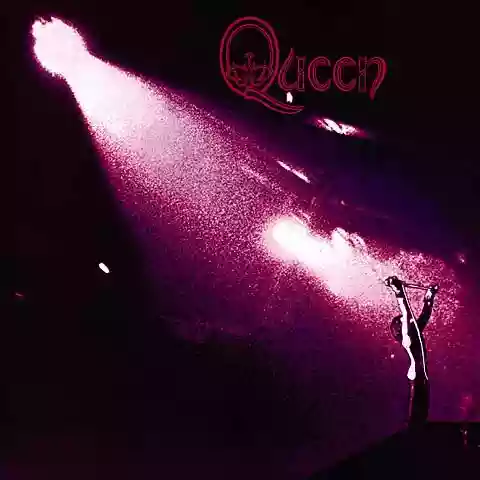
The business card of Queen in the recording market turns out to be a competent test of genuine and vigorous music, easily traceable to the plurality of influences that hovered in the air for a decade and that the band had made its own. A varied richness of musical content is immediately perceptible, offered according to personal taste tempered by that uncontainable and forgivable desire to show everyone, immediately, one's talent, which only needs to flow naturally to be best expressed.
Loading comments slowly
Summary by Bot
The review celebrates Queen's debut album as a vivid testament to the band's emerging talent and musical variety. It traces their origins, highlighting Freddie Mercury's transformation and the early contributions of Brian May and Roger Taylor. The album's energetic tracks display a blend of rock, opera, and inventive songwriting. The review emphasizes the album’s role as a strong foundation for Queen's legendary career.Tracklist Lyrics
Queen
British rock band formed in London in 1970. Core classic lineup: Freddie Mercury (lead vocals), Brian May (guitar), Roger Taylor (drums) and John Deacon (bass). Known for genre-crossing albums and stadium anthems such as "Bohemian Rhapsody", and for legendary live performances (notably Live Aid 1985). Freddie Mercury died in 1991.143 Reviews
