
 •
Rating:
•
Rating:
THE REVIEW
Paris, July 3, 2007. "La Cigale," just a few porn shops away from the more famous Moulin Rouge, has in its kitsch interior an atmosphere worthy of Stoker that warmly welcomes the large group of undead prog-rock lovers; there’s the elderly gentleman who never really got over the disappointment of “Abacab” and the young long-haired fan who discovered the sacred monsters through one of those itineraries that start from "Images And Words" and go backward. They both find themselves here, waiting for Porcupine Tree to take the stage.
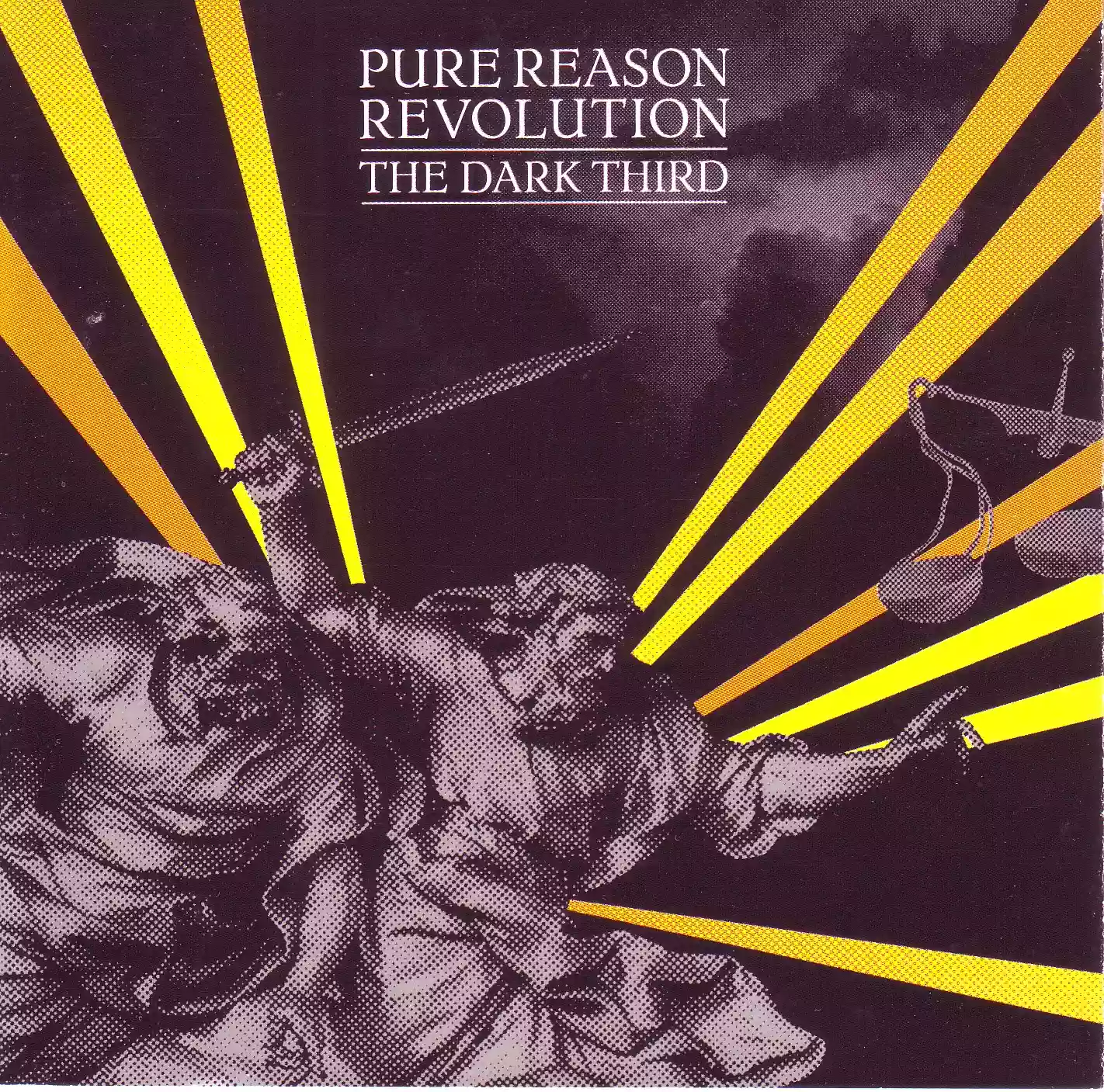
At Wilson's house, the appetizer is one that makes you wonder if the main course will be just as tasty. Because the “Pure Reason Revolution” are a showstopping opening band, and not just because I personally find it easier to fall in love with someone like Chloe Alper than Steve Wilson... In short, these English lads come through with a sound so full-bodied that it brings you almost to a full belly by the first notes of “Fear Of A Blank Planet.” When even Porcupine Tree, after two predictably perfect hours, bid farewell to their audience, I'm left with the taste of that surprising appetizer in my mouth; the stall at the entrance of "La Cigale" thus ends the day with one less record, “The Dark Third,” the debut of "Pure Reason Revolution."
Chloe Alper (vocals and bass) and the Courtney brothers (Andrew on drums and Jon between guitar and backing vocals) along with James Dobson, Gregory Jong, and Jamie Willcox for additional vocals, guitars, and keyboards, make much less impact on record than they do on stage. On a first listen, in fact, everything feels too flat to belong to the same group that dazzled me at “La Cigale.” Time, however, sets things right; gradually, the instrumental textures of this concept between Freud (dreams) and Kant (pure reason) earn their rightful place under the skin, and the baroque ebb and flow of vocal harmonies finally strike the right chords. The more strictly progressive episodes (“The Bright Ambassadors Of Morning”) bring to the surface a remarkable variety of sonic nuances, which resonate equally effectively in the more intense moments (“Nimos&Tambos” or the impetuous bonus track “In Aurélia”). But the main threads, at least with regard to the original "taste" of this album, are already all held by the instrumental intro “Aeropause”; well-measured electronics and psychedelia, and plenty of flavor. The albeit pleasant vocalizations suffer a bit from artificiality, while the more complex moments, whether they draw from Tool or Mars Volta, are still light years away from the original models.
The unscathed soul of this enjoyable concept remains intact; if we really spend a third of our lives dreaming, Pure Reason Revolution is on the right path to keep us from disconnecting when we inevitably wake up.
Loading comments slowly
Summary by Bot
The review highlights Pure Reason Revolution's strong live presence that outshines their debut album 'The Dark Third' on first listen. Over time, the album's complex instrumental textures and concept around dreams and reason become more engaging. While vocals sometimes feel artificial and some progressive influences are still distant from their inspirations, the band shows clear promise. Their music combines electronics, psychedelia, and prog-rock in a fresh way that grows on the listener.Tracklist Lyrics Videos
Pure Reason Revolution
Pure Reason Revolution are a British progressive rock group formed in Reading by Jon Courtney and Chloe Alper. Debuting with The Dark Third (2006), they explored a blend of prog, indie, and electronics across Amor Vincit Omnia (2009) and Hammer and Anvil (2010) before a hiatus. Reformed in 2018, they released Eupnea (2020), Above Cirrus (2022), and Coming Up To Consciousness (2024).06 Reviews
Other reviews
By Waldo
Sit comfortably (a chaise longue would be ideal), put on your headphones at a volume sufficient to isolate you from the rest of the world ... you will immediately find yourself spinning among galaxies, constellations, and black holes and you might start wishing never to return.
English critics have pinpointed with the term 'astral folkies' that perfectly encapsulates the rock sentiment that weaves through the above-described cosmic and psychedelic rides.
