
 •
Rating:
•
Rating: THE REVIEW
The Pixies are one of the most eclectic bands of the 80s scene. Their sound surely draws inspiration from the 60s garage (Troggs, Sonics, Paul Revere...), but the Boston quartet skillfully reworks it all through New Wave ideologies and hardcore violence.
The stylistic process that began on the previous Surfer Rosa reaches here a perhaps less instinctive but certainly more accomplished musical form.
The album starts with a driving bass line and explosive guitars reminiscent of Joy Division, but within seconds you realize that the Pixies have much of their own to express. From Debaser to Tame, from Wave Of Mutilation to Here Comes Your Man and from Mr Grieves to La La Love You, the Pixies let us savor a mix of raw vocal harmonies (the kind that a few years later would sell millions of copies with Kurt Cobain) and guitar schizophrenies that have a fresh flavor compared to pre-existing rock.
The Pixies play jumping between the pop harmonies of La La Love You, the surf rock of Here Comes Your Man, and the pre-post(rock) hardcore of Tame; the approach to the songs is never serious but is still innocently experimental: the Pixies were changing the coordinates of garage in a musical manner that would enormously influence the following decade.
The album is thrilling for those accustomed to the harsh and pounding sounds of rock, almost unlistenable for those who on Sunday afternoons watch CD Live!
The best Pixies albums are surely the first three: the EP Come On Pilgrim, Surfer Rosa, and Debaser; with the latter, however, the Bostonian band gets their high school diploma without losing an ounce of the adolescent rage of the previous two, gluing the listener to the speaker.
Explosive!
Loading comments slowly
Summary by Bot
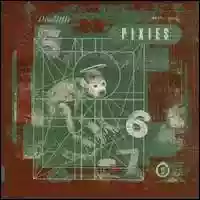
Pixies' Doolittle is a defining 80s album that masterfully blends 60s garage rock roots with New Wave and hardcore elements. The album's experimental but accomplished sound features memorable tracks ranging from pop harmonies to surf rock and pre-post hardcore. It showcases the band's evolution while retaining their youthful intensity, influencing the alternative and grunge scenes significantly. Doolittle remains thrilling for rock enthusiasts and a major milestone for the Pixies.Tracklist Lyrics Videos
Pixies
American alternative rock band formed in Boston; core early lineup included Black Francis (vocals/guitar), Joey Santiago (guitar), Kim Deal (bass/vocals) and David Lovering (drums). Late-80s/early-90s records (Surfer Rosa, Doolittle, Bossanova, Trompe le Monde) are widely regarded as highly influential. The band broke up in the early 1990s and reunited in 2004, releasing new albums in the 2010s.27 Reviews
Other reviews
By easycure
The Pixies have been one of the craziest and most brilliant interpretations of Rock ever.
Doolittle transmits a destabilizing lack of balance, yet everything appears completely homogeneous.
By sexyajax
The four Pixies lay out a white sheet of black, bitter, cynical irony, and build upon it, brick by brick, a beautiful structure full of irregular corners and angles.
The happy consonance of noise and melody derived from an askew perspective, like through a distorting wide-angle lens, through which rock ’n’ roll is misconstrued with a desecrated fervor bordering on hysteria.
By MissBlinky
Kim Deal starts decisively with the perfect bass line, followed by a powerful and intense riff and an ever-cryptic text shouted by the degenerated voice of Frank Black.
"The line between genius and madness is very thin."
By gmetti
Because it is simply love at first listen!
Much is owed to them by Nirvana, as well as Blonde Redhead and certainly PJ Harvey.
By lester69
The problem (and the delight) of this album is that you never fully understand it.
I find myself moved like the pimpled teenager I was as I sing Silver at the top of my lungs, not knowing exactly why.
