
 •
Rating:
•
Rating:
THE REVIEW
Between the early '60s and the late '80s, Brazil was ruled by a military dictatorship that supported the USA in an anti-communist stance. Inevitably, such political events altered the social and cultural context of the South American state, also influencing the music scene.
In 1970, Os Mutantes released “A Divina Comédia ou Ando Meio Desligado”. Reaching their third endeavor, the OM distanced themselves from the sounds of the first two works, which were strongly characterized by the imagery of Tropicalismo, a musical movement born in the second half of the '60s with the aim of combining Brazilian tradition and Western influences.
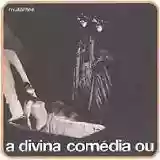
The departure from the tropicalista aesthetic is evident right from the gloomy cover, which could be that of any post-punk or gothic rock record. An artwork that leaves no room for doubt: “Tropicália is dead,” the Mutants seem to say. After all, the two main exponents of the movement, Veloso and Gil, were forced into exile by the government, marking its end.
“Ando meio desligado” opens the album with a bass line reminiscent of The Zombies' “Time Of The Season,” but then it veers off in a completely different direction, ending with a crescendo dialogue between organ and guitar. Next comes “Quem Tem Medo De Brincar De Amor,” where they seem to travel aboard the flying teapot three years before Gong.
Beatles-like echoes peek through in “Desculpe Babe,” “Jogo De Calçada,” and “Meu refrigerador não funciona,” which echoes Lennon’s “I Want You (She’s So Heavy)” in one of Rita Lee's best vocal performances, the female member of the group.
“Chão de Estrelas” and “Haleluia” are episodes marked by a sometimes naïf irreverence; especially in the first case where they overturn a piece of Brazilian tradition, incorporating all kinds of sounds and noises, and even an inside joke to their iconic song “Panis et Circenses.”
With the collaboration of Rogerio Duprat (an avant-garde composer dubbed the Brazilian George Martin) for the arrangements, with this album Os Mutantes probably reached their artistic peak. In a few years, the declining phase of their journey would begin, leading to the departure of two founding members (Arnaldo Baptista and Rita Lee), albums rejected by Polydor, and a hardening of the compositional vein (restricted to Sergio Dias, the only remaining founding member), until the inevitable end of the group in 1978, when the psychedelic season had long been over.
Loading comments slowly
Summary by Bot
Os Mutantes' 1970 album 'A divina comédia ou ando meio desligado' represents a significant stylistic shift away from Tropicalismo toward darker, more psychedelic sounds. The album features inventive arrangements by Rogerio Duprat and showcases Rita Lee’s standout vocals. Drawing influences from British rock, it captures a transformative moment amid Brazil’s political repression. This work stands as a high point in the band's artistic trajectory.Tracklist Lyrics Videos
