
 •
Rating:
•
Rating:
THE REVIEW
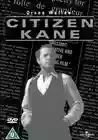
For the history of cinema, 1941 is a fundamental date, as it marks the Hollywood debut of one of the fathers of modern cinematography, with a film of inestimable value: "Quarto Potere" (Citizen Kane in Eng.) by Orson Welles.
The title chosen for Italian cinemas is an obvious reference to the global power acquired by the media. A power held by few, both an ally and enemy of other strong powers, not easily controllable by the state: something to be feared? (even the dark sound of the title's words is not reassuring).
This is, surely, the theme of the film; the risk, however, is portraying it as something it isn't, or is only in part: a kind of Hollywood socio-economic-political etc. reportage. Because this is above all the story of a man. About citizen Kane.
It doesn't make sense to recount the plot of the film here, and it's not particularly easy to do so because the themes, stories, characters, and settings are each developed with equal dignity by the author and undergo profound metamorphoses over time. We will only say that many parts of this film represent the work of Welles's creative genius, who, at 26 (it seems incredible), exploits the cinematic techniques of the time to excellence and anticipates (for some in an unparalleled way) many aspects of contemporary cinema. We will also say that the recounting of Charles Foster Kane's life, for the skillful use of flashbacks in the narrative, for the reconstruction of emblematic places of his existence, and for the Kafkaesque evolution of the character's psychic and outward forms, assumes literary value and dignity.
A curiosity: in '41 it was an astounding flop and was soundly booed at the 9 nominations proposed by the Academy Awards. It was presented again to the public only in the mid-'50s, with the enormous success that continues to this day. Fundamental.
Loading comments slowly
Summary by Bot
Orson Welles' 1941 film Citizen Kane is hailed as a foundational work in cinema history. The review highlights its innovative use of narrative techniques and deep character exploration. Initially a critical and commercial failure, the film gained appreciation later, becoming a timeless classic. It explores themes of media power and the complex life of Charles Foster Kane with literary depth. Welles' creative genius shines throughout the film.
Orson Welles
Orson Welles (1915–1985) was an American director, actor, writer, and producer who transformed cinema with Citizen Kane (1941) and continued innovating with The Magnificent Ambersons, Touch of Evil, Othello, and Chimes at Midnight. He first gained national fame with the 1938 radio broadcast of The War of the Worlds and worked across stage, radio, and film in the U.S. and Europe.10 Reviews
Other reviews
By Rax
"If I hadn’t been rich, I might have been a great man." A successful failure.
He had a greatness of his own, but he kept it all to himself.
