
 •
Rating:
•
Rating:
THE REVIEW
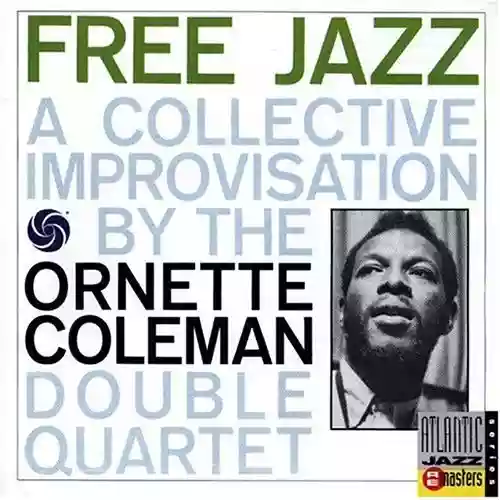
Ornette Coleman had the idea to remove the shackles from jazz once and for all.
He did it splendidly, gathering what he had heard before, mixing in some fantastic musical ideas, with the help of his faithful Robin, the saxophone. Thank you, Ornette.
And so the audience of 1961 was impressed, bewildered: the new album from the double quartet was an almost 40-minute improvisation, full of solos and, ultimately, a bit of sonic chaos - absurd!
But who made him do it?
True geniuses are not recognized as such during the period when they produce their masterpieces: just think of electric Dylan of '65, Miles's Bitches Brew, the Velvet Underground's first two records, to name a few examples.
On December 21, 1960, a technician, Tom Dowd, in the Atlantic Records studio, let the reels run without a precise time limit: on the other side of the room, the double quartet was traveling on a mantle of freedom: finally, the creature was born.
In the end, Atlantic found themselves holding a masterpiece of a record.
Confused brushstrokes, yet clear and bright at the same time.
Ornette invented a new language in jazz, and this record is the proof.
He painted, along with the other musicians (there was also Eric Dolphy, not some nobody), the emotions, imprinting them on the magnets of those famous tape recorders, in the freshness of the vinyl that was the cause of the utmost bewilderment among jazz listeners at the time. But they should have expected it, from someone like Ornette.
Few sections were written before entering the studio, no rehearsal with the group, what we get to enjoy is the one and only take of the work. And it is perfect.
No title was ever more fitting.
Loading comments slowly
Summary by Bot
Ornette Coleman’s 1961 album 'Free Jazz: A Collective Improvvisation' broke traditional jazz boundaries with a nearly 40-minute continuous improvisation by a double quartet. Despite initial bewilderment from audiences, the record is now recognized as a pioneering masterpiece that introduced a new language in jazz. Notably, the album was recorded in one perfect take with minimal pre-written structure, showcasing bold experimentation and emotional expression alongside musicians like Eric Dolphy. This iconic work reshaped the future of jazz.
Ornette Coleman
Ornette Coleman (1930–2015) was an American saxophonist, composer, and bandleader from Fort Worth, Texas, a leading pioneer of free jazz. His breakthrough recordings—including The Shape of Jazz to Come (1959) and Free Jazz (1961)—challenged harmonic conventions with piano‑less groups and group improvisation. He later articulated his harmolodic approach and continued innovating through works like Sound Grammar (2006).09 Reviews
