
 •
Rating:
•
Rating: THE REVIEW
These hard rock dinosaurs are still alive and fighting with us, after more than half a century. All thanks to their original and only bassist, one Pete Agnew, who has tough skin and a perennial desire to play, even in these times of supporter scarcity. His three companions from the beginning have all passed to the other world, two of them quite recently (2022) when they were already retired from the scene. With a certain delay from these recent mournings just mentioned, I decide to celebrate the band by going through their discography and lingering a bit on the albums not yet reviewed on this site, which are the majority.
This is the debut work: 1971. All the characteristics of Nazareth's music are already present: hard rock, certainly not soft but not heavy either, always with an attentive eye that there are always melodies, in addition to being varied by various deviations towards ballads, country, progressive, soul, blues, orchestral pomp. All with the limitation of relative personality, were it not for the truly sandpaper-like voice, but of coarse grit, of frontman Dan McCafferty who, so to speak, would have been useful even in AC-DC. However, the widespread musicality waters the compositions and makes the group very listenable and "easy"... there is no genius, but generous craftsmanship, surely yes.
All the tracks on the album have the ability to entertain, none to become memorable. Perhaps, however, “Morning Dew” manages to do so, for two reasons: first, it is a cover of a Canadian folk lament by one Bonnie Dobson, covered by many for its catchy melodic mantra; second: guitarist Manny Charlton plays extensively with a crude yet incisive stereo echoed riff, effectively phrasing and stretching the track to seven minutes.
So there's not just hard rock, in fact, the album is among their most varied. There's the final “King Is Dead” dressed by the grand orchestra, which occasionally slides Nazareth into art rock territories, with McCafferty who, for the occasion, turns off the grater he has in his throat, albeit revealing slight intonation problems. The orchestra also takes the lead in the long tail of “Red Light Lady”, but the result is clumsy... and then there have been much better grand finales à la “Hey Jude”.
The boogie “Dear John”, chosen as a single at the time, is the most well-known episode, with the regular presence of a rock'n'roll little piano (played by a guest) and above all a good "hook" in the chorus (the recurring phrase “I wanna be your man…”). “I Had a Dream” is contrastingly rendered liturgical by the church organ; the song is simple, but the melody is impeccably substantial.
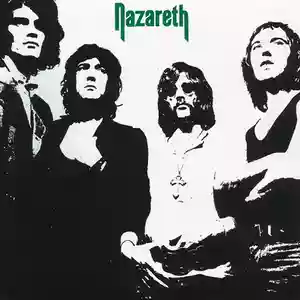
It's always nice to retrace certain steps of the seventies music, also taking a look at the cover in this case, with all musicians young, alive, and long-haired, with tough faces in front of the photographer or not. The surviving bassist mentioned at the beginning is the one on the right, now bald as a bowling ball... God bless him, still on stage pounding eardrums at nearly eighty. The bulk accumulated in middle age has now gone, and Agnew is slimmer than when he was 25. Well done!
Loading comments slowly
Summary by Bot
Nazareth's 1971 debut album showcases early hard rock blended with melodic ballads and diverse influences like blues and orchestral elements. The album’s key strength lies in its solid musicianship and the distinctive gritty voice of frontman Dan McCafferty. While none of the tracks become truly iconic, songs like "Morning Dew" and "Dear John" stand out. The review respects the band's longevity and celebrates bassist Pete Agnew's enduring presence.Tracklist Videos
01 Witchdoctor Woman (04:07)
02 Dear John (03:46)
06 Fat Man (03:25)
07 Country Girl (04:06)
08 Morning Dew (07:07)
09 The King Is Dead (04:51)
10 Friends (03:23)
11 Dear John (single edit) (02:42)
12 Morning Dew (alternate edited version) (04:50)
13 Friends (alternate edit) (03:26)
14 Morning Dew (extended single version) (08:07)
15 Witchdoctor Woman (04:31)
Nazareth
Nazareth are a Scottish hard rock band formed in Dunfermline in 1968, widely associated with blues-tinged hard rock and frontman Dan McCafferty’s distinctive raspy vocals.17 Reviews
