
 •
Rating:
•
Rating:
THE REVIEW
The New Yorkers Mountain of the great (in every sense) guitarist Leslie West were interpreters, as illustrious as they are little known, of that early 70s rock which, drawing inspiration from electric blues and the hallucinatory jams of the previous decade (those of the Cream and the old Jimi in particular), was giving rise to the hard-rock genre. This was a route followed by many bands at the time: Some of them would be destined for fame, glory, and success (Grand Funk, Led Zeppelin, Black Sabbath...) many others only to the cult of enthusiasts of d'antan rock (for example, Blue Cheer, Leaf Hound and, indeed, Mountain). Founded in 1969 by singer-guitarist West, bassist Felix Pappalardi (already producer of the Cream), drummer N.D Smart (soon replaced by Corky Laing) and keyboardist Steve Knight, this "power trio + keyboards" participated in the Woodstock festival (not just any gig) and seemed to take off thanks to the success of the single "Mississippi Queen," contained in their official debut album, "Climbing!" (1970).
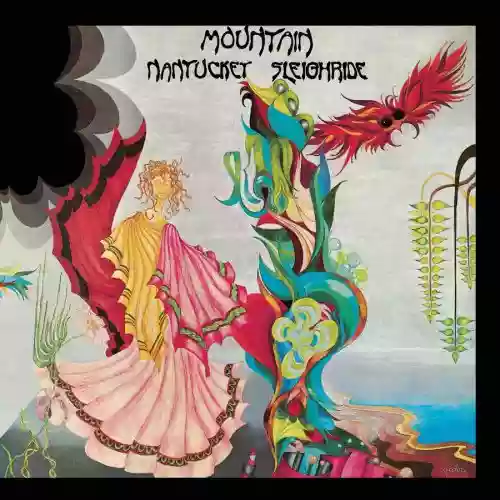
"Nantucket Sleighride," released in 1971, is the second official album of the band. Compared to the first record, which was almost entirely focused on aggressive and distorted blues-rock in the Cream style, this one contains longer and more complex tracks, with greater use of keyboards, probably influenced by the progressive-rock which was becoming the sensation of the time. Although when listened to today the album sounds a bit more dated compared to the debut (is that a good or bad thing?), the aggression does not abate: even though the pace changes more often, the sounds move away from blues and Steve Knight's organ sounds more psychedelic than usual, Leslie West's hoarse voice, along with the typical warm and nasal tone of his guitar and Felix Pappalardi's booming bass, unmistakably confirm that it is still hard-rock: the proof is in the full-volume organ-guitar cross-attacks of "Don't Look Around", the acid slide of "The Great Train Robbery", the cascading power-chords of the title track, as well as the presence of more compact pieces in the classic hard-blues style ("Animal Trainer And The Toad", "You Can't Get Away").
The album's flaw was probably the lack of a catchy single like "Mississippi Queen", which might have allowed the band to break through. In doubt, there's nothing left but to grab the headphones, turn up the bass, pop the copied CD (I challenge you to find the original) into the stereo, and turn up the volume. And to hell with the doubts.
Loading comments slowly
Summary by Bot
Mountain's 1971 album 'Nantucket Sleighride' expands on their debut with longer, more complex tracks mixing hard rock, blues, and psychedelic elements. While lacking a breakout single like 'Mississippi Queen,' it maintains strong aggressive energy and showcases impressive musicianship. The review highlights the band's evolution and enduring cult status in classic rock.Tracklist Lyrics Videos
Mountain
American hard-rock/blues-rock band formed in 1969 by guitarist/vocalist Leslie West and bassist/producer Felix Pappalardi; known for Mississippi Queen and a set at Woodstock.05 Reviews
