 •
Rating:
•
Rating:
THE REVIEW
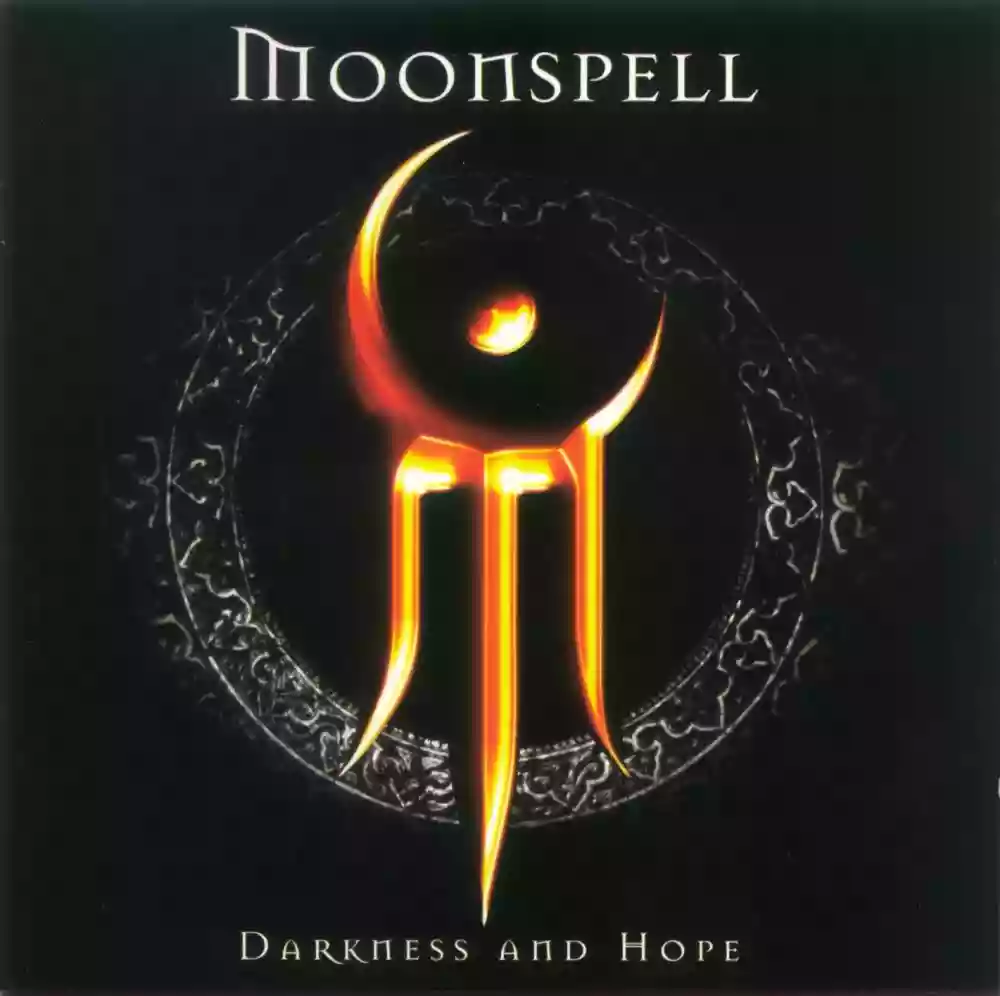
The story hidden within the tracks of this album is dark. Dark as the misty Portuguese night in the village of Antelejo. Like the story of the old farmer who wakes at dawn, crosses the stony expanse only to hang himself on the old beech tree. Authors of this pathetic tragedy are the Portuguese Moonspell (Fernando Ribeiro vocals, Ricardo Amorim guitars, Mike Gaspar drums, Pedro Paixao synthesizers, Sergio Crestana bass) tackling their fifth album: an album inlaid with experimentalism and novelty. A unique work, but one that might leave a bitter taste for those who expected a second album in the style of Sin/Pecado, which saw the Portuguese quintet consecrated to the Olympus of Gothic Metal. This time, there will be no dark, smoky, lustful atmospheres or infernal harmonies overflowing with blood, as they are replaced by the cold tragedy of life in a village like many others, hiding a rural malaise behind its white facades and dirt roads. A story made of ropes, silver bullets, magic pills, and mandrake roots.
The overture of this story is the title track "Darkness and Hope", a dragged and labored journey that smells of dust and tears, supported by the monotone decay of the guitars. With "Firewalking" we enter the suicidal domain of the Lusitanian moors, escorted by sulfurous and obsessive guitar riffs, over which the baritone tone of the vocalist imposes itself, paving the way for the album's main piece. "Nocturna" is the jewel of the album: a cold and cruel lyric offered to Lilith, Queen of the Night, with a compelling and fluctuating melody set between Gothic Rock-flavored chords and twilight harmonies on the synthesizer, in a ruthless and tearful prayer that precedes the night hunt.
The catchiest "Heartshaped Abyss" unfolds smoothly and appealingly over a bed of guitars that echoes the profane melodies typical of Irreligious, followed by a decidedly higher leap with "Devilred", which brings the subtle nuances typical of the new era of Paradise Lost: it's the frantic climb of an organ with Transylvanian memories and scratching guitars up a steep cliff. "Ghostsong" advances mournful and tragic on a dark background of guitars and spectral synths: it's the ghost of the old grandmother appearing in the young grandson's bedroom by candlelight.
The album loses momentum with "Rapaces", a track that offers only a sense of cliché and déjà vu, despite being vainly embellished with female vocals. The level picks up with "Made of Storm", an atrocious erotic embrace seemingly bringing back Gothic Rock atmospheres that will belong to Night Eternal, while also carrying with it the heavy, sunburnt auras of Irreligious. We find traces that will reappear in Memorial in "How We Became Fire?", which combines the advance of guitar riffs with the shadowy elegance of a piano and a solo reminiscent of early Paradise Lost works with Gothic.
The approach towards closure continues with "Than the Serpent in my Hands", also without any substantial variation: another track leaning towards the Moonspell cliché, neither shameful nor praiseworthy. The album concludes with another gem, "Os Senhores da Guerra", an interesting cover of Madredeus: characterized by a brisk yet almost struggling pace, where the drums echo the beat of a lost war, where the refrain echoes a bleak song sung by soldiers to suppress the pain of wounds, as they march across the battlefield.
In conclusion, Darkness and Hope presents itself to the listener as a raw, stony poetry, naked, cold. The poetry of lethal opium under the pillow, of the old rifle aimed at the throat while looking toward the sun, of the pale moon in the sky framed by a noose of death.
Loading comments slowly
Summary by Bot
Moonspell’s Darkness and Hope marks a bold experimental step away from their earlier Gothic Metal roots. The album tells a dark, rural Portuguese tale woven with themes of tragedy, despair, and mysticism. While some tracks falter, standout songs like 'Nocturna' and 'Os Senhores da Guerra' showcase poetic depth and haunting melodies. Overall, it is a raw, cold, and unique work that will appeal to fans craving emotional and atmospheric metal.Tracklist Lyrics Videos
Moonspell
Portuguese gothic metal band formed in the early 1990s, fronted by vocalist Fernando Ribeiro; known for atmospheric songwriting and frequent stylistic shifts across their career.29 Reviews
Other reviews
By dying_sun
Darkness and Hope reminds me of their true nature despite not being a masterpiece.
Ribeiro shows all his vocal talent, alternating growl with a warm and dark voice.
By _Ozzy
This album, sadly, marks the end of my relationship with Moonspell.
Fernando Ribeiro, always the true star, is undeniably the focus of the album and it hurts to hear him sing bland and senseless melodies.
