
 •
Rating:
•
Rating:
THE REVIEW
The alternative music fan who, in 1997, puts this CD into their player probably doesn't really know what to expect. Would it be another hard-drinking album like the debut? Or would the “pop” vein of the second album take center stage? Would the folk elements be dropped in favor of more commercial solutions? None of the above: Modena City Ramblers knew how to take a new path by embracing Latin American-inspired sounds and lyrics, making significant changes to their sound.
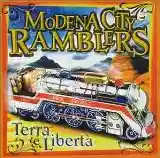
In this sense, you clearly need to be open-minded to appreciate this kind of choice: personally, when I realized this direction—already apparent from the album covers at the end of the '90s and early 2000s—I wasn't very convinced, and my prejudice still told me that the real MCR were those born from the Modena-Dublin fusion alone. And let’s be clear, the version that the vast majority of listeners still prefers is the Irish folk of the beginnings—it’s the one tied to the most memories and sentimentality, the one that best blended politics and poetry and, without any sugarcoating, I think we can agree that, cover songs aside, "Riportando tutto a casa" remains the highest point of the band's career.
Yet this third album awakens doubts that even the very good "Grande Famiglia" had raised, with a final twist that once again shows us what the Modena guys were made of. Those who today are so ready to say they're "a band of losers for hippies" (as if that were such a terrible insult) should go back and listen to what a punch they packed in this "Terra e libertà." In short, the South American turn is incredibly convincing: cleverly mixed with the cloverleaf folk, it creates an outstanding album.
The record starts with a nice enough, though not transcendent, track that sets the tone but doesn't do it full justice; however, the double act of "Il ritorno di Paddy Garcia"/"Il ballo di Aureliano" is excellent, fully convincing despite some somewhat familiar melodic solutions. The pleasant "Remedios la bella" and "Radio Tindouf" are a bit less intense. At this point, our guys, grinning slyly, look at each other and play their ace: the album shifts toward a heavier sound that Modena had rarely experimented with before, featuring excellently crafted folk punk grenades. The wild instrumental "Marcia Balcanica" gives way to "Danza Infernale" (which is a response to "The Turkish Song of the Damned" by the Pogues), followed by the less uptempo "Qualche splendido giorno" and then the beautiful—and still driven—"Transamerika." "Lettera del fronte" is good, and it’s back to full throttle with the wild folk punk of "L’ultima mano." "Cuore blindato" is good but not unforgettable, and we’re back in the game with the reflective "Don Chisciotte." Great heavy riff for "Cent’anni di solitudine," then closing with "L’amore ai tempi del caos," which brings the level down a notch.
A fairly long album, then, with some inconsistency and atmospheres that stand out because the element of festivity and nostalgia that was the backbone of RTAC is thinner and not always optimally reconciled with the new direction. The album fails to find a truly heart-wrenching track nor does it include those very pleasant instrumentals: Modena had changed. Italy had changed, music had changed. And perhaps the green hills, elves, and clovers were better off remaining as a cherished memory of times gone by. The folk spirit is still powerfully felt, but now it's joined by many other inspirations. Because in a word, this is the album of maturity. And growing up always means leaving something behind—almost always a little bit of innocence. From here on out the group would become increasingly political, and among those who go to hear them live, fewer and fewer will know the Pogues, and so it goes.
But this album remains a truly great record. Because the band accepts the challenge, loading their sound with new experiences, opening up to new cultures, and creating beautiful songs, great lyrics, excellent arrangements. If you’re in search of South American inspiration, you can rest assured; if you prefer less hard-edged tracks here and there, you’ll find something to sink your teeth into, and listening to certain songs, I’d say that probably even some Folkstone have studied here… After all, "Riportando tutto a casa" is still there, it’s not going anywhere—but don’t let that first album keep you from discovering this great work. Rating: 87/100.
Loading comments slowly
Summary by Bot
This review praises 'Terra e libertà' by Modena City Ramblers for its rich folk sound and meaningful lyrics. The album receives a strong 4 out of 5 rating. It highlights the group’s commitment to social and political themes. Listeners are invited to immerse themselves in powerful and energetic tracks. The review implies the album remains relevant to lovers of folk and protest music.Tracklist Lyrics Videos
01 Macondo Express (03:22)
02 Il ritorno di Paddy Garcia (03:53)
03 Il ballo di Aureliano (04:03)
04 Remedios la bella (03:53)
05 Radio Tindouf (04:55)
06 Marcia balcanica (02:42)
08 Qualche splendido giorno (03:51)
10 Lettera dal fronte (02:39)
11 L'ultima mano (04:11)
12 Cuore blindato (02:39)
13 Don Chisciotte (03:15)
14 Cent'anni di solitudine (03:32)
15 L'amore ai tempi del caos (03:18)
Modena City Ramblers
Modena City Ramblers sono un gruppo italiano nato a Modena nel 1991, noto per unire folk irlandese/celtico, rock e cantautorato sociale. Tra i lavori più citati: Riportando tutto a casa, La grande famiglia e il progetto corale Appunti partigiani.19 Reviews
Other reviews
By rebelde
In my view, it is a disorganized work, approximate, as if MCR had decided to throw in songs and ideas almost at random.
With the next three pieces, we have what is, in my opinion, the beating heart of 'Terra e Libertà'.
