
 •
Rating:
•
Rating: THE REVIEW
The year is 1970, 1851 is gone and the past will not return.
The place is Naples, Nantucket is lost on a crumpled map.
The obsession: Led Zeppelin, as for the white whale, who has ever seen her.
No trace of Captain Ahab, nor of officers Starbuck, Stubb, and Flask. In their place, the less exotic Di Mauro, Petrone, Assanti, and Coppola.
No one is wielding harpoons and lances; rather, it's guitar, bass, drumsticks, and microphone.
Toni, Enzo, Adriano, and Sandro put together a band two years prior, to make music but also to keep away from drugs and the perilous temptations of a youth spent on the streets.
In the meantime, they decide to call themselves Moby Dick, struck by the stunning one-two punch of Led Zeppelin.
Led Zeppelin, “Moby Dick”, Bonham’s terrifying solo.
In the songs of Moby Dick, on the other hand, solos are the exclusive realm of guitarist Toni, almost always sharp and concise.
The first songs had Italian lyrics: “Il giorno buono” gives “Whole Lotta Love” the same treatment that “Whole Lotta Love” gave “You Need Love” a couple of years earlier; “Ad ogni costo” and “Parlo nel vento” move in folk and blues territories, always rewriting Zeppelin’s scores with excellent penmanship. However, singing in Italian doesn’t last long.
They begin composing their first songs in English, perhaps to appear more credible in the shoes of Plant, Page, Jones, and Bonham, or perhaps in an attempt at a timid approach to audiences across the border.
Up until now, Moby Dick have made a name for themselves solely by playing live: mainly in Naples, but also occasional trips to Rome and Milan.
By spending time on DeBaser, I also learned there was a fifth, fundamental member of that extraordinary lot known as the Led Zeppelin: Peter Grant.
In the same way, Moby Dick team up with Maurizio Mauri and it’s he who gives them the opportunity of a lifetime: recording an album in London, at the Olympic Studios, not only where Zeppelin recorded their debut, but also where the Stones, Hendrix, Bowie, and many other legendary names passed through.
The year is 1973, the place is London, the obsession is still Led Zeppelin.
Moby Dick record seven tracks, from a “Two Timing Girl” that echoes “Black Dog” to a “Sex’n’Roll Express” that races for eight minutes, adds massive doses of the Who to the Zeppelin formula, and even foreshadows some elements of the NWOBHM, passing through “What Time Is It”, which turns the hard-blues blast of “Stairway To Heaven” into a gentle psychedelic drift, with “My Friend” and “Groove Me” sketching outlines that will remain unfinished.
When, after two weeks, they return to Naples, Moby Dick no longer exist.
The seven tracks recorded in London and the three in Italian were published for the first time in 2001 by Akarma of La Spezia. Last week, the same songs resurfaced thanks to the Spanish label Guerssen and they are absolutely worth your time.
Regardless of the obvious fact that Zeppelin were four (five) geniuses and theirs was an unrepeatable story.
Or perhaps, precisely because of this.
Loading comments slowly
Summary by Bot
This review of Moby Dick's self-titled album offers a balanced critique, awarding it an average score. The reviewer assesses the album's musical strengths and weaknesses without strong bias. While some qualities may appeal to rock enthusiasts, the album does not stand out in a crowded genre. It provides insight for those curious about Moby Dick's place in rock history.
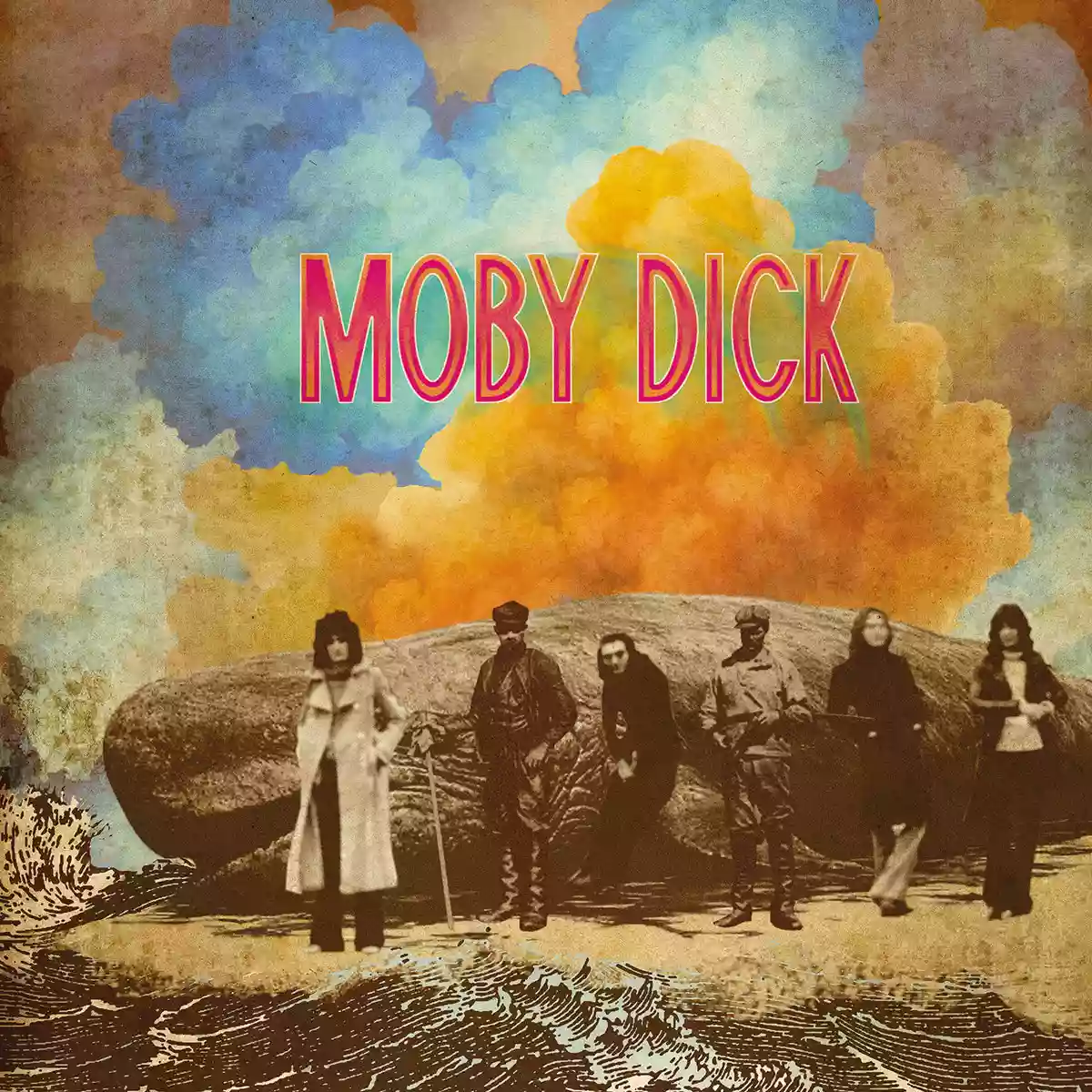
Moby Dick
Moby Dick were a Neapolitan hard rock band formed by Toni, Enzo, Adriano, and Sandro. After early Italian-language songs, they switched to English and recorded seven tracks at London’s Olympic Studios in 1973, then disbanded. Their recordings were first issued in 2001 by Akarma and later reissued by Guerssen.00 Reviews
