
 •
Rating:
•
Rating:
THE REVIEW
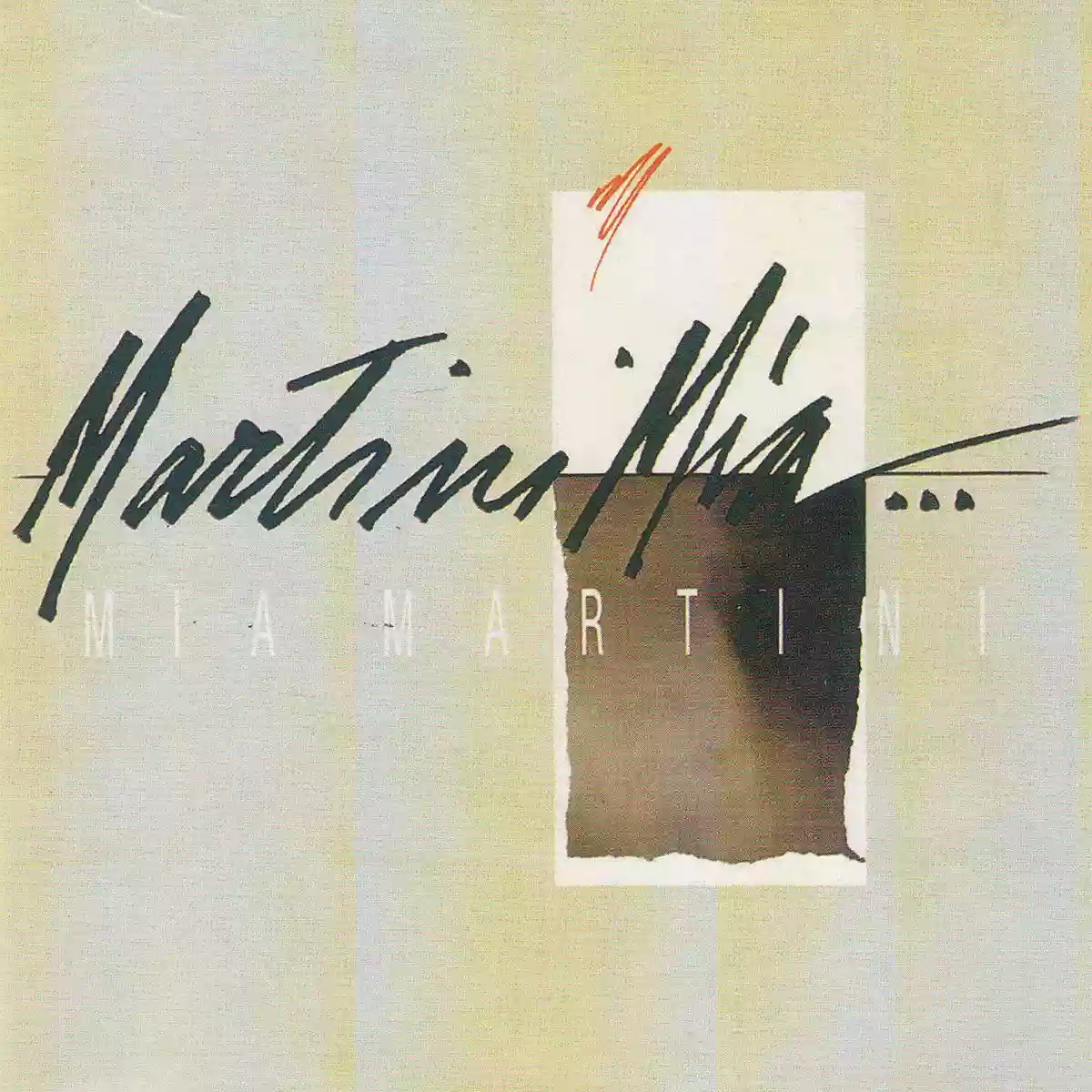
MARTINI MIA... 6.5/10
Mia Martini, branded as a “jettatrice” by a record industry among the most despicable ones (when it wants to be), returned with fanfares and exultant shouts to the 1989 Sanremo Festival (one of the most ill-fated ever: Renato Pozzetto gave forfait at the last minute and was replaced by the so-called “children of the famous ones”, though the day was saved by a Beppe Grillo in top form; 48, yes 48, artists competing!) with a song that became a symbol of Italian music tout-court: “Almeno tu nell’universo”, which itself has a long, winding story behind it. It was composed (it is said, since sources have always either denied or confirmed it) in 1972 by Bruno Lauzi and Maurizio Fabrizio during the same week in which they wrote “Piccolo uomo” (a rather fruitful week, one must say...) and they kept it, who knows why, in a drawer for 17 years (although other sources date its composition two years later, in 1974, which “dismantles” all the aforementioned story of the “miraculous week”). They finally gave it in 1989 to Mia Martini and it truly seemed tailor-made for her. They presented it to Sanremo: all hell broke loose! The organizers, precisely because of those malicious rumors, insisted that the Calabrian singer was not welcome (the festival was managed by Adriano Aragozzini, “the one with the face of a Bulgarian border guard” as Beppe Grillo called him live on air), and only the decisive intervention by Renato Zero untangled the knot (the Roman singer-songwriter guaranteed his own presence on stage, giving the final go-ahead for Mia Martini’s participation). She sang it magnificently, enchanting the audience of the kermesse (“It was the music that followed the sound of her voice and not the other way around”, so said the much-missed Peppe Vessicchio a few years ago). She won the Critics’ Prize (which today bears her name), but only placed ninth: ahead of her, just to give an idea, was “Esatto!” by Francesco Salvi (go figure). Originally, the song had actually been offered by Lauzi and Fabrizio to a young, debuting Paola Turci, who turned it down in favor of “Bambini”, the song with which she won, that same year, Sanremo Giovani.
Around this sensational and captivating song, an entire album is built. Ten tracks, inevitably, not all up to expectations. The Sanremo song opens it (not very Sanremo-like, by the way: it’s nearly six minutes long), followed by the famous feminist “manifesto” “Donna”. Written by Enzo Gragnaniello, who penned several songs on this record (his are the best), the song debuted at Festivalbar 1989 and met with great success (it was also performed at the Premio Tenco that year). The style is that of a classic songwriter: a simple melody and lyrics that, like flash images, evoke scenes both raw and, unfortunately, all too true. For instance: “... Donna come l'acqua di mare/chi si bagna vuole anche il sole/chi la vuole per una notte/e chi invece la prende a botte/Donna come un mazzo di fiori/quando è sola ti fanno fuori/donna, cosa succ
Loading comments slowly
Summary by Bot
This review judges Mia Martini's 'Martini mia' as a disappointing release, noting unfulfilled expectations and a lack of creative spark. The critic provides a low rating and discusses the album's shortcomings. It is suggested that the project didn't showcase Martini's vocal or artistic strengths. Overall, fans of Italian pop may find this work underwhelming.Tracklist Lyrics Videos
Mia Martini
Mia Martini (1947–1995) was an Italian singer from Bagnara Calabra, renowned for her powerful, emotive voice. Sister of Loredana Bertè, she achieved major success in the 1970s and returned to prominence at Sanremo in 1989 with Almeno tu nell’universo.12 Reviews
Other reviews
By abitinobili
Notturno very much identifies Mimì’s personality with her way of isolating herself and hiding her sufferings to find the strength to get back in the game.
Donna is the manifesto song against violence against women and their desire to fight.
