
 •
Rating:
•
Rating: THE REVIEW
The rock historiography tells us that the Melvins chose their band name in honor of an unfortunate Christmas tree thief from Aberdeen, named Melvin. This anecdote somewhat signifies the cultural void and the terrifying economic recession that gripped the American North West in the '80s, a factor that played a crucial role in shaping the phenomenal expressiveness of the Seattle scene.
In that scene, the Melvins were fundamentally associated due to their well-known connections with their former roadie and fellow citizen Kurt Cobain. Their way of reclaiming Black Sabbath, Flipper, and even Kiss in an obsessive minimal-metal mix was so filthy and deadly, despite significant quality swings between albums, that it extended its influence far beyond the creative death of grunge, inspiring a plethora of bands, from Boris to Sunn O))), up to a certain stoner scene.
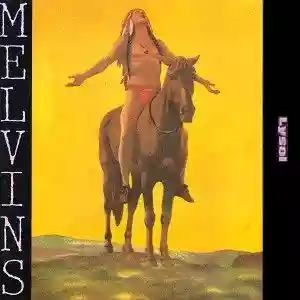
"Lysol" is the last album before the major debut of King Buzzo and Dale Crover’s band: how they then hoped to make money from it remains a mystery, but at least there’s a happy realization that one of "Nevermind"'s benefits was the visibility given to the best underground offerings. The Lysol alluded to in the title is a specific and poisonous disinfectant, almost a way for a sick mind like King Buzzo’s to seal the excruciating wounds inflicted by his twisted, convoluted, and intricately spiraling guitar riffs on the carcass of metal, while his worthy counterpart Crover systematically alternates between leaden tom rumbles and double bass drum rolls.
The music remains almost always difficult to listen to, starting with the opener "Hung Bunny", eleven minutes of anti-matter where heaviness and grace are inextricably linked. And the rest is no less: terrifying clumps of monstrosity in a state of agony, yet at the same time fearsomely alive. The musical equivalent of a Francis Bacon painting, in other words: an explosion of cerebral bodies with slow-motion cadences inside a cage of terror, loneliness, and suffering, brushing against a sui generis doom, distorted by the tortuous and slowed use of feedback, as in the exhausting "With teeth", to the Flipper spun in the electric stasis of "Sacrifice". It seems incredible, but this funeral parade of extremist noise spawned by a bunch of drunk and ignorant losers was indeed perfect for building one of the most fascinating nightmares at the beginning of the Nineties.
Loading comments slowly
Summary by Bot
Melvins' Lysol is a deeply challenging and heavy album that blends doom metal, noise, and grunge influences. The review emphasizes the album's difficult and raw sound, marked by twisted guitar riffs and pounding percussion. Lysol reflects the bleak economic and cultural backdrop of the 1980s Pacific Northwest, shaping a unique and influential sonic nightmare. The album laid groundwork for future underground heavy music scenes and remains a staple in extreme metal history.Tracklist Lyrics Videos
Melvins
Melvins are an American rock band formed in Aberdeen, Washington in 1983. Core figures include Buzz "King Buzzo" Osborne (guitar/vocals) and Dale Crover (drums). The group is known for pioneering and mixing sludge, doom and experimental rock across a large, prolific discography.34 Reviews
Other reviews
By paolofreddie
The work exceeds the highest expectations, hence the need to write about it.
Lysol ranks among the most brilliant musical creations, as oxymoronic as it may sound, not just of the Nineties, but of the whole history of what is considered 'popular' art.
