 •
Rating:
•
Rating:
THE REVIEW
Close your eyes for a while, relax, and with this masterpiece, all the negatives fade away.
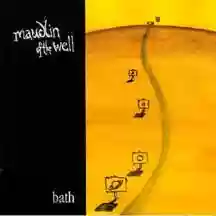
Anyone who thought that Arcturus's "La Masquerade Infernale" was the highest point ever reached in avantgarde metal will have to stop and think after listening to Maudlin Of The Well and this splendid "Bath". The genre's interpretation is completely different, but it is true that MOTW, in this case, reach the true meaning of the concept of art by producing an absolutely unrepeatable album, but let's take a step back.
The band's first core (now under the moniker Kayo Dot) was formed in Boston, Massachusetts, in 1996, and after three years of experience and demos, they released their first EP on the market. Within two more years, in 2001, the product at the center of this review was released, which manages to cradle and delight the listener with its atmospheres, now calm and gentle, dreamy and relaxing, now violent and harsh. Musically, this "Bath" includes various musical currents such as jazz, progressive, and death metal, all blended with great grace and elegance.
The album opens with almost eight minutes of "The Blue Ghost/Shedding Qliphoth", an instrumental piece in which the band enjoys offering a progressive jazz close in some respects to what had already been heard in Italy in the '70s with Perigeo: we thus find light classical guitar arpeggios accompanied by the gentle trumpet notes of Jason. Midway, the track transforms into a sort of progressive rock with an extremely slowed-down rhythmic base that once again brings fusion to mind, eventually unfolding into the typical progressive metal of our years, stripped of unnecessary frills that would only make the song heavier. "They Aren’t All Beautiful" brings us back to earth, decidedly closer to death than prog, showing a band capable of baring its claws at the right moment: now, you will be overwhelmed by piercing guitar riffs, now by double bass drum outbursts, all in service of a deep and violent growl, but never excessive. Despite their wilder roots, these Americans do not abandon the construction of extremely complex bases even here, thus complementing the already presented elements with solos closer to technical metal than extreme, the true root of the band.
"Heaven And Weak" is another crucial piece of the album, allowing the elements encountered thus far to coexist within the same track. If jazz makes its appearance in the first part, it later transforms first into progressive metal and then into something closer to the milder moments of Opeth, all reworked personally. Excellent work by the rhythm section, which proves, particularly in this case, even more dynamic and imaginative.
(Interlude 1) represents the second instrumental of the album (another will follow later) and is nothing more than a brief piece for guitar and bass that, although not adding much to the LP, remains extremely pleasant and atmospheric. From here, a dark organ carpet opens "The Ferryman", a true musical delirium. The dark intro is followed by very relaxing and delicate guitar moments that explode into outbursts between black and death, only to return to more progressive territories.
"Marid's Gift Of Art" connects to the acoustic and extremely calm music already present in the first track, where the vocal interpretation is notably praiseworthy for its expressiveness and sweetness. Sweet notes of the clarinet now introduce us to "Girl With A Watering Can", where melodic variations are encountered once again, alternating relaxed and angry atmospheres. The female voice of Maria-Stella, delicate and almost understated, but at the same time captivating, makes its appearance here. I find this track particularly important as it seems to have influenced a large number of bands over time, as echoes can be found in bands such as Aghora, Atrox, To-Mera, and similar. We move to jazz-infused hardcore with death/black undertones in "Birth Pains Of Astral Projection", ideally divisible into two sub-episodes, the first very slow and almost instrumental, except for some vocal lines. Midway through the song, the atmosphere changes with the appearance of growls, decidedly more powerful and structured riffs, and a rhythmic section featuring a strong and pulsating double bass drum.
To lighten the atmosphere after "Birth...", the Metheny-influenced jazz of "(Interlude II)" leads us into the last 5 minutes of the album with "Geography", a docile prog rock piece that takes a sharp turn towards the end, concluding one of the best avantgarde albums of the last eight years.
Apologies for the "sensationalism" evident in this review, but to not give this album the honors it deserves would be completely wrong and petty. Enjoy listening.
Loading comments slowly
Summary by Bot
Maudlin Of The Well's 'Bath' is an avantgarde metal landmark blending jazz, progressive rock, and death metal with elegance and emotional depth. The album showcases diverse atmospheres from calm and dreamy to violent and harsh. Key tracks highlight intricate musicianship and expressive vocals, placing the album alongside genre classics like Arcturus' 'La Masquerade Infernale.' 'Bath' remains a highly influential and unrepeatable work in avantgarde metal.Tracklist Lyrics Videos
maudlin of the Well
maudlin of the Well are an American avant‑garde/progressive metal group formed in Boston in 1996. After the debut album My Fruit Psychobells... A Seed Combustible (1999), they released Bath and Leaving Your Body Map (2001), then members continued as Kayo Dot. In 2009 the band reunited to release the fan‑funded Part the Second as a free download.07 Reviews
Other reviews
By The_Bassist
I was enchanted by those first seconds of natural harmonics arpeggio that open the album.
One of the least digestible albums I have listened to, but also one of those that have given me the most satisfaction.
By Hybris
Simply immersed in myself I forget time, death, and pain.
Impossible to describe with rational words.
