
 •
Rating:
•
Rating:
THE REVIEW
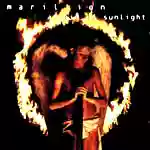
1995 album, "Afraid of Sunlight" stands as a middle ground between a return to the more typical progressive atmospheres, achieved with the previous "Brave," and the so-called modernist stimuli that will characterize their subsequent works.
The album, with some exceptions, has a generally rather crepuscular, intimate tone, and in these cases, either you manage to effectively convey the feelings you want to let through with the music, or it becomes boring, or worse...
But Marillion is a band always accustomed to conveying emotions with music, and even in this "Afraid of Sunlight" they certainly do not lack.
The initial "Gazpacho" moves along familiar lines for the band; the track flows pleasantly, underscored by Rotherey's usual "flangered" arpeggios, while "Cannibal Surf Babe" is a surprise: the rhythm and guitar are hard rock, but both in the refrain and in other moments of the piece, they evoke (and given the title, perhaps it was predictable) the harmonies and counterpoints of the Beach Boys; the result is a delightful crossover, doubly appreciated precisely because you wouldn't have expected it from Marillion....
Sudden change of scene with the magical "Beautiful", a slow piece worthy of a standing ovation, if you like, from the manual of the "perfect ballad." The heart of the album, however, is the mini-suite "Afraid of Sunrise/Out of This World/Afraid of Sunlight", of great charm, only partially marred by a central part perhaps a bit too in "slow motion"; in it, however, the crepuscular and melancholic atmosphere I mentioned earlier reaches its maximum expression; the final crescendo, however, is almost liberating, with Steve Hogarth at his peak, delivering a passionate and touching vocal performance.
"Beyond You" maintains, despite its diversity, similar expressive tones, and finally "King" is a tension-filled finale, imbued with bitterness.
"Afraid of Sunlight", in conclusion, is probably not a milestone in Marillion's glorious history, but it is an album that can boast reasons of undeniable interest for the particular emotional charge that permeates it, excellently translated into music by artists of superior caliber.
Loading comments slowly
Summary by Bot
Marillion's 1995 album Afraid of Sunlight balances progressive atmospheres with modern influences, delivering an intimate and emotional listening experience. Highlights include the ballad Beautiful and the hard rock crossover Cannibal Surf Babe. The mini-suite centerpiece showcases the band's peak expressive range, especially vocally. While not a career milestone, the album impresses with its emotional depth and musical quality.Tracklist Lyrics Videos
Marillion
Marillion is an English rock band associated with neo-progressive rock, first achieving major success in the 1980s with vocalist Fish and later continuing with Steve Hogarth from 1989, shifting toward more atmospheric and song-oriented approaches while maintaining a strong fan following.24 Reviews
