
 •
Rating:
•
Rating:
THE REVIEW
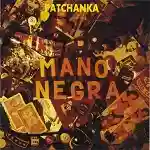
In the 1980s dominated by keyboards and electronic music, in the Parisian underground a large group of street kids led by the Chao brothers, Manu and Tonio, emerged with their first work, with a title already emblematic, "Patchanka".
The record marks the birth of a new genre, inspired by the (it couldn't be otherwise) Clash, the fathers of the mixture of cultures and sounds in music, but interpreted with a new perspective and a different approach.
La Mano Negra tears apart the dominant idea of music in the 1980s by throwing the remains into the bubbling pot of "patchanka", where punk, ska, reggae, rock n' roll, flamenco, funky, and singing in French, English, and Spanish converge, all played with great imagination and just the right amount of technique, with a strong flair for choruses, falsettos, and nursery rhymes.
"Ronde De Nuit", "Indios de Barcelona", "Noche de Accion", are among the most beautiful tracks on the album, overflowing with musical freshness stemming from a crazy mix of ska trumpets, simple guitars, driving rhythms, and unforgettable vocal melodies. "Rock Island Line", "Killin' Rats" and "Bragg Jack" are the most pressing tracks on the album, with rapped and aggressive vocals and very "Clash-like" guitars.
"Salga La Luna" and "Mala Vida" are the most melancholic and "flamenco" episodes of the album, where Manu Chao's voice is neither aggressive nor in falsetto but sad and suffering.
Loading comments slowly
Summary by Bot
Patchanka by Mano Negra stands as a milestone in music for its daring fusion of punk, ska, reggae, flamenco, and rock. Emerging from the 1980s Parisian underground, the album channels cultural diversity with catchy melodies and energetic rhythms. Tracks like "Ronde De Nuit" and "Mala Vida" showcase the band's range, blending aggression with melancholic flamenco tones. Inspired by The Clash yet uniquely innovative, Patchanka remains a vibrant and influential debut.Tracklist Lyrics Videos
Mano Negra
Mano Negra were a French band formed in Paris in 1987 by Manu Chao, fusing punk, ska, reggae and Latin sounds into a high-energy style known as patchanka. They released influential albums including Patchanka, Puta’s Fever, King of Bongo and Casa Babylon before disbanding in 1995.05 Reviews
