 •
Rating:
•
Rating:
THE REVIEW
This autumn of 2004 "gifted" us with the return of the two most famous and beloved bands in the world for over a decade (U2 and R.E.M.) with controversial and discordant results. The critics and the public are still divided between those who view these works as a commendable evolution of these bands' style and those who mercilessly give them a thumbs down, accusing them of bourgeoisification and creative exhaustion. The same can easily be said about the comeback album of the Manic Street Preachers, a band that in over ten years of career has practically gone through all the necessary "stations" of a rock 'n' roll band to aspire to the status of "icon." Not excessively acclaimed in Italy, the Manics in Great Britain (and in the "neverland" of fans around the world) are a genuine institution on par with the two previously mentioned groups.
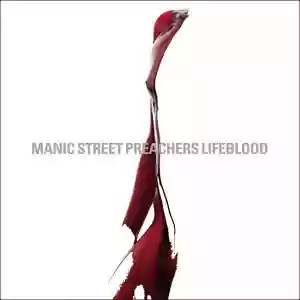
Clearly, the general expectation was quite high, given the flop of the previous "Know Your Enemy" (2001), decidedly uninspired. For this "Lifeblood," James Bradfield & co. have decisively changed direction, definitively abandoning the slogans and the anger of their early works (the ones with Richey James) to embrace the more intimate and melancholic aspect of their music. The result is that "Lifeblood" is without doubt the most accessible album of their entire career: the contribution of the electric guitars is practically nil, and the band embraces pop in the true sense of the word. That is, if in the group's "hard" years the intent was to reach the audience's sensitivity through provocations and the effective weapon of punk, now the attempt is the same but the "instrument" has changed, also because the three Welshmen are no longer 19 years old. The references to the '80s and keyboards à la Keane are evident right from the first track, not coincidentally titled "1985," epic as in the best tradition of the band's songwriting. It must be said that the album sounds bitter, disenchanted and sweetly "understated", and even Bradfield's voice seems almost resigned, although as always clear and intriguing (rumor has it that Tony Visconti is behind this "sonic" shift).
The single "The Love Of Richard Nixon" is quite weak despite the interesting lyrics, and to be honest, it almost seems as though the Manics chase the big hit throughout the album but never find it, and listening does not require much effort given the intentionally "elementary" nature of the songs.
That doesn't mean there aren't clearly beautiful tracks such as the upcoming single "Empty Souls," reminiscent of U2's "New Year's Day," the restless "A Song For Departure" (which brings to mind the Pet Shop Boys!), and the romantic "Emily," the best piece of the album, almost a Style Council unreleased track.
The melodies are pleasant, the lyrics intelligent and reflective, Bradfield's voice is as always a must: it is a pop sometimes a bit mild, this must be said, but it is refined and captivating like few others proposed in the music business. I don't think a song like "Solitude Sometimes Is" would ever appear on a Madonna album. But it's also true that this is an album that may seriously disappoint longtime fans of the Manic Street Preachers, so far from "Generation Terrorists" and the cult favorite "The Holy Bible" and different even from "Everything Must Go". For those who instead follow the group and appreciate its changes and evolution, it is without a doubt a recommended album. I am still a bit undecided, and honestly, I still don't quite know what to think, so in doubt, I give it a full pass but nothing more.
Loading comments slowly
Summary by Bot
Lifeblood marks a clear departure for Manic Street Preachers from their early punk anger to a more intimate, pop-oriented sound. The album is bittersweet and understated, showcasing refined melodies and reflective lyrics. While some tracks stand out beautifully, others seem to chase mainstream hits without fully landing them. Fans seeking the raw energy of earlier works may be disappointed, but those open to the band's evolution will find value here.Tracklist Lyrics Videos
Manic Street Preachers
Manic Street Preachers are a Welsh rock band formed in 1986, widely associated with 1990s British alternative rock and Britpop. The group’s history is closely tied to the disappearance of guitarist and lyricist Richey Edwards in 1995; he was declared legally dead/presumed dead in 2008. Their work is known for politically charged themes, literary references, and shifts from early abrasive guitar rock to more orchestral and pop-leaning records and later reinventions.22 Reviews
Other reviews
By katharsys
"The true essence of the Manics' new musical course lies precisely in combining few, almost sparse, components, in that magical and sublime way."
"'To Repel Ghosts' is the best piece of the album, delivering a shiver down the spine with its perfect mix of riffing and keyboard."
