
 •
Rating:
•
Rating:
THE REVIEW
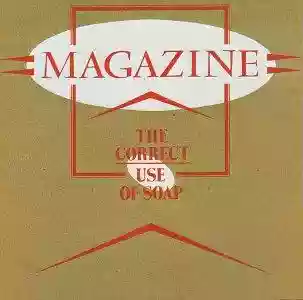
Magazine act three. "The correct use of soap" - a test of maturity for a band not so often remembered - is actually the ideal musical guide on how to combine Roxy Music, Sparks, the first (very first) solo Eno, and mix them all with the frenzy and nervousness of the British post-punk new wave. Without necessarily shouting masterpiece, perhaps; but confirming the already perceivable depth of Devoto & co. and the stature of Devoto himself (to whose cause, I admit being very devoted...) both as a performer and as an author possessing not so common narrative qualities.
...strange fate, the one that put this LP back in front of me which I hadn't listened to for so long and rediscovered under entirely fortuitous circumstances alongside "Swing To The Right" by MY (forgive my possessive, and it's not a pleonasm) Utopia. Now forgotten in the attic, where I had relegated it to make room for something else, I exhumed it after reading about it again in a magazine and telling myself, with inevitable naivety, considering that a while ago I had exceedingly loved this vinyl: "Oh, they were there too". Indeed. There wasn't just Howard Devoto with his new initiative begun with the still immature "Real Life"; there was Dave Formula, there was John McGeogh whom I would see again in the Banshees, there was the future "bad seed" Barry Adamson. All important names, names that somehow told me something, yet I didn't remember them so well in terms of group discourse. This record came deliberately, and from the first note, memories flashed; clarifying everything, focusing blurred outlines.
There it was, everything was in its place. The "futuristic" r'n'r of "Because You're Frightened", that guitar and drums that were reminiscent of what Devoto had briefly done in the Buzzcocks; but with a completely different style, a completely different "appeal" - if you will. And that riff. The lunatic rockabilly and absurdity of "Model Worker" (yes, models, ambiguous subjects no wonder so loved by Ferry, Manzanera, and Mackay), and those enveloping synthetic textures of Formula's keyboards. The same ones I find in "I'm A Party" - indeed, a very festive piece but distinctly "Eno-esque" in inspiration, particularly, thinking of Brian from "Here Come The Warm Jets", and I specifically think of a piece from that album called "Cindy Tells Me"; moreover, with that jazzy/retro/half-swinging interlude you might not expect in such a song. "You Never Knew Me" is the first truly great episode, I remember that when the disc reached that point, I began to enjoy it, with the refrain that stayed in the head and that almost epic finale, with the background chorus, the piano which could very well have been played by Roy Bittan and the bass that pulsed and scraped - but it would have done that more and more, groove by groove. For example, supporting the lunatic and anything but simple movements of "Philadelphia" and "I Want To Burn Again" - acoustic introduction, I think of the "space" Bowie songwriter of the "Space Oddity" era, at least for the first few seconds. And I reach the pinnacle with "Thank You". "Thank You" for what, though...? Necessary clarification: "Falettinme Be Mice Elf Again". Yes, we've already met, definitely. Sylvester Stewart. Adamson pumps and slaps, replicates Larry's loop exactly and sticks it between John Doyle's (natural) funky drumming and Howard's absent voice, more on point than ever - as they say, "this cover really succeeded" - this is the case, and with certain monuments, it's not easy to confront oneself. That the new British generation is versed in black music was known, after all, and the next two pieces (don't expect fillers) demonstrate it. And then a "Song From Under The Floorboards" that in just over 4 minutes condenses everything that new wave was in 1980 - McGeogh immense, and I emphasize IMMENSE, not just in this but in all pieces from the first to the last; yes, on the topic of new wave guitar, someone like him could indeed speak, no less than other more renowned colleagues.
At that point, McGeogh, Formula, and Adamson would "fade into gray" with Visage, to dominate dance floors all over the world. The Magazine adventure wasn't entirely over but for sure the best period was concluded. The perfect period to revisit them, for those who already knew them, and perhaps also to discover them - for the younger generation.
Loading comments slowly
Summary by Bot
Magazine's third album, The Correct Use Of Soap, showcases the band's blend of post-punk and new wave infused with art rock influences. The review highlights the mature narrative style of Howard Devoto and the notable contributions of band members like Dave Formula and John McGeogh. The album resonates with complex yet catchy songs that balance experimental sounds with accessible rhythms. It is praised as a significant, though sometimes overlooked, landmark in British post-punk. This review encourages both longtime fans and new listeners to revisit this classic.Tracklist Lyrics Videos
Magazine
Magazine are a British post-punk band formed in Manchester in 1977 by Howard Devoto after leaving Buzzcocks. Pioneers of the early new wave, they blended angular guitars, eloquent lyrics, and synth-driven textures across albums like Real Life, Secondhand Daylight, and The Correct Use of Soap. They reformed in 2009 and released No Thyself in 2011.03 Reviews
