
 •
Rating:
•
Rating:
THE REVIEW
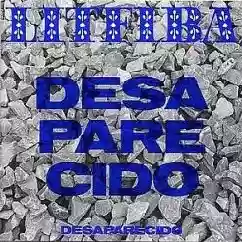
If "Desaparecido" is, along with "17 Re", my favorite album by Litfiba, it is because the latter presents itself as a blend of unique elements that make it a rock masterpiece, very homogeneous, a masterpiece that combines the new-wave charm of Litfiba's beginnings with a new aggressiveness, one that will characterize many episodes of the Trilogy of Power. Desaparecido is an album that speaks in very current terms (of war, hatred, and injustices perpetrated for reasons of state), yet it does so in such a poetic and almost theatrical manner, which makes it a true masterpiece.
If the mythical intro, so effective and shocking, of Eroi Nel Vento, heralds a thrilling song that mixes rock, enchanting new-wave melodies, and a splendid vocal performance by Piero, making the piece an emotional thrill but at the same time a vivid and poetic representation of the psychological drama that war ("Scatti ai nervi e sensi che/le ombre dei sogni scuotono"), the album progresses through some of the rarest gems of the Italian rock tradition, supported by the mythical, fast, aggressive, and precise "all-eating" bass of Gianni Maroccolo and the electrowave atmospheres created by the fabulous synthetic instrumentation of Antonio Aiazzi: all this aims to create magical, almost mystical atmospheres, as in the sweet and poetic "Pioggia di Luce" or in the dark and raw "Lulù e Marlene", with a final rock explosion in an exasperated crescendo of bass, guitar, and a voice of Piero that seems possessed by the hatred he sings about.
"La Preda" is a must, my favorite song: dark atmosphere, cutting bass and guitar like a "double-edged blade," and the constant image of escape, of unease, with a vocal part embodied, as will always be even in live performances, by an exceptional Pelù, capable of living and making live the exquisitely post-punk atmosphere of the piece.
"Tziganata" will remain a small great melodic masterpiece in the history of Italian music: perfect, initially sweet then aggressive and full of life, but above all poetic and theatrical.
"Desaparecido" is the second ethnic touch of the album, with winds and percussion that play their role making us feel almost in a scorching day in a small village of Central and/or South America, and one of the most beautiful lyrics, that reaches the heart, raising a cry against the injustice of the world, while outside "il sole sempre sole è".
"Guerra" reprises the eponymous single from '82 in an extended version that adds fierce and dramatic realism complete with shouts emulating those of German soldiers, organ, and synth that outline a very dark picture. Pelù's voice, exasperated and heartrending like never before: perhaps one of the most beautiful performances, along with "Eroi Nel Vento".
"Instanbul", which I mention last, is actually the electrowave heart of the album, supported by a fine bass line, "skillfully stained" by the great and unique Ringo De Palma, and a spectacular melodic synth loop that makes it a piece memorable to the ear and the heart, then proceeding in a rock explosion and in a finale where the guitar, now tamed, by Renzulli, blends with the melancholic synth line as in the best new-wave tradition.
Listening to Desaparecido is like alternating readings of Iliad and Odyssey. The emotion is the same: a sense of archaic, epic, intense, now dramatic, now softened in the sweetness of the atmospheres.
The Italian rock machine sets in motion starting from a new-wave movement that regenerated the way of making music, but perhaps also the way of thinking and dealing with the current present. Little or nothing is as theatrical as the purest New-wave. It is representative, in the sense that it is able to create, through melodies and brilliant insights, magical settings.
Litfiba is simply part of a broader panorama, that of the Italian and European wave. But they prove to be, as already said, a blend of elements that makes the band distinguish itself greatly from the common trends close to British post-punk, and above all, being foreign to any kind of cliché. A sort of "total rock," critics will say, able to borrow Mediterranean, Oriental, Latin sounds.
But not only that, I would add. The first albums of Litfiba demonstrate great strength in the arrangements, curated by Maroccolo, Aiazzi, and Renzulli, arrangements that derive their beauty and charm from true strokes of genius. A way of working, by the Florentine band, aimed at shaping songs which already have many strengths in themselves.
Another story. Italian pride.
Loading comments slowly
Summary by Bot
Litfiba's Desaparecido stands out as a new-wave rock masterpiece, blending poetic lyrics on war and injustice with theatrical musical arrangements. The album combines aggressive bass and synth-driven melodies, showcasing exceptional musicianship from band members. Songs like 'Eroi Nel Vento' and 'La Preda' highlight Piero Pelù's powerful vocals and the band's unique sound. Desaparecido is praised for its emotional depth and its distinct place in Italian rock history.Tracklist Lyrics Videos
Litfiba
Litfiba is an Italian rock band formed in Florence around 1980. They were central to the Italian new wave/post-punk scene of the 1980s and are widely associated with the early trilogy of albums Desaparecido, 17 Re and Litfiba 3. The core public figures in reviews include Piero Pelù and Ghigo Renzulli.87 Reviews
Other reviews
By frantz
"Desaparecido is the essential starting point for what would become the new Italian rock."
"Songs have become real anthems for their many fans, still performed today."
By Aerith
From the very first track, you understand you’re dealing with a masterpiece: Eroi nel Vento is a true statement of intent.
You’re left there still, reflecting on the journey around the world in eight tracks that is this album... and wondering what could have happened afterward.
By ms
"Litfiba managed to carve an enormous piece of music as feeling and as importance in the Italian rock scene."
"Desaparecido paved the way for a new course and new mindset approach in our peninsula."
By COX
In the nine tracks of 'desaparecido', the heavy bass of Maroccolo, the wise guitar of Renzulli, the cheeky and essential keyboards of Aiazzi, and the cannon-like voice of Pelù have created something unique and unrepeatable.
'Istanbul' is the track that... leaves me the most stunned... with a delightful keyboard and voices echoing phrases with a Middle Eastern taste.
By Ferito
"A blend of skillful musical savoir-faire offers our grateful ears eight songs of fine quality."
"An album that must (MUST!) be remembered as one of the very first steps for a certain way of seeing music in Italy."
