
 •
Rating:
•
Rating:
THE REVIEW
Florence, 1985.
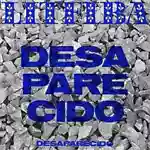
"Desaparecido" is the first album in the official discography of Litfiba: how many words can be used for this album? Fascinating? Dense? Ethnic? Extreme? A blend of skillful musical savoir-faire offers our grateful ears eight songs of fine quality; the only flaw in my opinion is the short duration of the ensemble, which barely touches thirty minutes. Refined new wave with references to Joy Division and Bauhaus (especially in the voice), without forgetting the Cure of Robert Smith, who always linger in the early Litfiba productions. Sung in Italian, a proof of commendable courage in an era even more filled than ours with xenophilia and snobbery for the made in Italy product.
The opening track is "Eroi nel vento", a song that rightfully will become a classic of Litfiba first and of the Pelù-Renzulli duo (albeit revisited) later. Classy new wave with a syncopated and pounding drum and a highly evocative vocal. It gives way to "La preda", a piece that Pelù dedicates, in a very hermetic manner, to the conflictual relationship with his father. The song is a product of the evident punk influences of Renzulli. The bass work by Gianni Maroccolo is commendable.
"Lulù e Marlène" appears to our hearing as a confused LSD trip (a substance that actually helped Piero in composing this text), with an imposing bass and keyboard riff dominating. The next song, "Istambul", is instead born from the love, never hidden and never denied, of our artists for certain ethnic sounds that will also accompany many future compositions. It is followed by "Tziganata", supported by elegant keyboards and bass riffs of precious quality; "Pioggia di luce", also a product of lysergic acid, will gain greater maturity live, while the lyrics are discreetly played on the musical idea of "lostness". The title track, "Desaparecido", even more than "Istambul", is an extremely ethnic and Mediterranean piece, with castanet sounds and a truly impressive rhythmic section. Closing this, alas, short work, we find "Guerra", another song of strong evocative and sound impact. As in almost the whole album, here too the sound play is supported by the expert Maroccolo and the refined Antonio Aiazzi, not forgetting the precise and imaginative rhythmic work of the never too mentioned Ringo De Palma.
In conclusion, this album is truly unique, elegant, refined, and well-crafted. Perhaps a bit too pretentious, but the result does justice to the intentions. A pity for its short length, given the volume of work that Litfiba was carrying with them since 1980. It remains, however, an album that must (MUST!) be remembered as one of the very first steps for a certain way of seeing music in Italy.
Band:
Antonio Aiazzi - Keyboards
Ringo De Palma - Drums
Gianni Maroccolo - Bass
Piero Pelù - Vocals
Ghigo Renzulli - Guitar
G. C.
Loading comments slowly
Summary by Bot
Litfiba's debut album Desaparecido, released in 1985, is a refined and unique piece of Italian new wave music with strong influences from Joy Division, Bauhaus, and The Cure. The review praises the band's musical skill, particularly highlighting the ethnic sounds and impressive instrumental work. While noting the album's short length as a minor flaw, it celebrates the album as a crucial and elegant first step in Italian rock history.Tracklist Lyrics Videos
Litfiba
Litfiba is an Italian rock band formed in Florence around 1980. They were central to the Italian new wave/post-punk scene of the 1980s and are widely associated with the early trilogy of albums Desaparecido, 17 Re and Litfiba 3. The core public figures in reviews include Piero Pelù and Ghigo Renzulli.87 Reviews
Other reviews
By frantz
"Desaparecido is the essential starting point for what would become the new Italian rock."
"Songs have become real anthems for their many fans, still performed today."
By Aerith
From the very first track, you understand you’re dealing with a masterpiece: Eroi nel Vento is a true statement of intent.
You’re left there still, reflecting on the journey around the world in eight tracks that is this album... and wondering what could have happened afterward.
By ms
"Litfiba managed to carve an enormous piece of music as feeling and as importance in the Italian rock scene."
"Desaparecido paved the way for a new course and new mindset approach in our peninsula."
By COX
In the nine tracks of 'desaparecido', the heavy bass of Maroccolo, the wise guitar of Renzulli, the cheeky and essential keyboards of Aiazzi, and the cannon-like voice of Pelù have created something unique and unrepeatable.
'Istanbul' is the track that... leaves me the most stunned... with a delightful keyboard and voices echoing phrases with a Middle Eastern taste.
By Treasure
"Desaparecido is an album that speaks in very current terms (of war, hatred, and injustices perpetrated for reasons of state), yet it does so in such a poetic and almost theatrical manner."
"Listening to Desaparecido is like alternating readings of Iliad and Odyssey. The emotion is the same: a sense of archaic, epic, intense, now dramatic, now softened in the sweetness of the atmospheres."
