
 •
Rating:
•
Rating: THE REVIEW
A few years ago, in a specialized magazine, there was a special on the 100 best Italian albums of all time, and I remember that among the top 20, this old work by Litfiba was featured. I had heard about it before, and both the title and the cover intrigued me a lot, in addition to the fact that it was a Tuscan rock band that I personally appreciated. But that critical recognition made me think of an album that was particularly ambitious and different from the rest of their successful discography. After listening to it for the first time last month, I understood why it was so important (especially in that musical Italy of 1987).
17 Re is, in all probability, the least easy and most fascinating album by Litfiba, able to withstand the test of time with an innovative sound that embraces the best New Wave tradition and Italian-styled Progressive. Above all, we must remember the magical inspiration of those members: Gianni Maroccolo, who, besides being the inventive bassist, was the first mind of the group; Ghigo Renzulli, a guitarist with a dry and effective timbre; Antonio Aiazzi and his soaring keyboard flights; the precise percussive touches of Ringo De Palma and last but not least, the histrionic voice of Piero Pelù, a modern Iggy Pop whose famous shamanic registry makes even the simplest lyrics original ("stringi la mano e vieni via, ti porterò lontano" maybe doesn't mean much to you, but sung in that way by Pelù...).
Still possessing undeniable modernity, 17 Re opens with the immediate "Resta" and "Re del Silenzio", which will maintain strong ties with the future style of Litfiba. "Cafè, Mexcal e Rosita" is a minor but still fun episode, with those bouncy keyboards and raw, playful guitar. "Vendetta" unleashes unknown emotions, accentuated by a strange chorus that becomes more liberating in the end, led by Renzulli's electric acidity; a separate discussion for the nocturnal "Pierrot e la Luna", a chronicle of an unrepeatable dream ended by Aiazzi's memorable solo.
Following this, we scroll past a Tango in Rock time, a compelling energy that transforms Pelù Come un Dio in the skies, a hallucinatory, mysterious suffocation of Febbre, an exciting Apapaia (with that adamant "rispetta le mie idee" and Renzulli's spine-chilling guitar riff), a fascinating journey into the Univers, an evocative Ballata like that splendid bass line by Maroccolo, a hammering Gira nel mio cerchio... or even the crime-drama-like keyboards of Oro Nero, accompanied by a pleasantly choral refrain to end with the menacing, epic, poignant epilogue of Ferito.
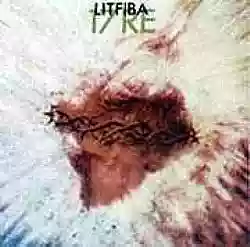
Those who only know the Litfiba of El Diablo or Terremoto, be warned: you will find a sonic chest of impenetrable visionariness that will gradually dazzle you, like its beautiful bright red cover.
Loading comments slowly
Summary by Bot
Litfiba's 1987 album 17 Re stands out as a highly ambitious, innovative work in Italian rock, merging New Wave and Progressive styles. The reviewer highlights the band's chemistry, especially the unique voice of Piero Pelù and the inventive instrumentation. Tracks like "Resta," "Re del Silenzio," and "Ferito" showcase the album's lasting modernity. This album is a must-listen for fans seeking a deep and visionary sonic experience beyond Litfiba's later hits.
Litfiba
Litfiba is an Italian rock band formed in Florence around 1980. They were central to the Italian new wave/post-punk scene of the 1980s and are widely associated with the early trilogy of albums Desaparecido, 17 Re and Litfiba 3. The core public figures in reviews include Piero Pelù and Ghigo Renzulli.87 Reviews
Other reviews
By Perez
"You can win a war in two and maybe even alone, you can extract the heart even from the blackest murderer, but it’s harder to change an idea."
"I felt they were mine! Because they had a beating heart, because like me, they didn’t fit in with anyone, because they were charged."
By the clash
"'17 Re': 16 masterpieces, a double album, new wave, post-punk, decadent and irritating visions, sensuality, darkness, apocalypse, war…"
"A riff repeated endlessly, just as space will remain endless around that heart, the one on the cover, barbed and filled with the pain of wars, silences, deaths, and vendettas."
By ms
"‘17 Re’ remains with ‘Desaparecido’ in the Olympus of Italian rock."
"Tracks ‘gira nel mio cerchio’ and ‘oro nero’ are two of the best songs ever produced by Litfiba, alternative music to the pale pop of those years."
By Ferito
A superb piece in both composition and execution makes this album a masterpiece for all Italian rock.
'Apapaia'... Perhaps the greatest song of this group.
By popmusic
The zenith in this case is a never again achieved alchemy of thoughts, images, and sounds of total beauty and complete freedom.
These grooves go well beyond the new wave that had inadvertently marked the Litfiba beginnings to coin new formulas of musical experimentation.
