
 •
Rating:
•
Rating:
THE REVIEW
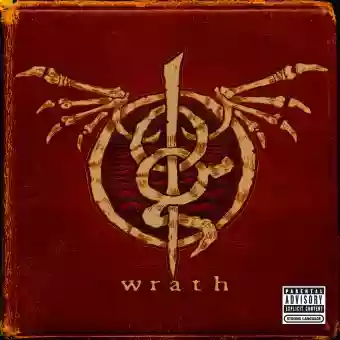
Sixth album in nine years for Lamb Of God, who, after delivering a masterpiece like "Ashes Of The Wake", seemed to have lost sight of the path that led them to success through a sound evolution that was never radical but always noticeable.
With "Sacrament," the Richmond five appeared slightly in decline, almost as if they had toyed with the idea of resting on their laurels; the album maintained the usual groove energy, but a fundamental stagnation in terms of structures and the excessive cleanliness of the album's sound disappointed many fans (including myself), who expected a fresh violence in sound but unchanged impact. "Sacrament" had the opposite effect, so much so that people began to think that LOG had already embarked on the road to sunset.
Nothing could be further from the truth. While signing with a major label finally gave them the proper compensation for their efforts, it also added further fuel to the doubts of many fans, resigned to a formula favoring commerciality at the expense of their verve.
Fortunately, "Wrath" dispels practically all these doubts; the album is, as usual, incredibly powerful. The sonic backdrop laid by Chris Adler's drums is increasingly perfect and technical, without ever falling into self-celebration. The guitars sound slightly higher in tone, offering greater clarity both to the granite riffs and the cross solos of the two madmen at the axes (Willy Adler & Mark Morton). The sound has returned to that raw quality that avoids highlighting one instrument over another. Randy Blythe maintains his usual rock-solid growl and this time doesn't hesitate to engage in always extreme but more varied vocalizations, ranging from an almost death growl to an evocative and technically impeccable metalcore scream, without forgetting acoustic inserts that fit perfectly before the inevitable outbursts.
This album seems to have only strengths compared to the previous ones; however, some slight flaws, some of which are debatable, preclude it from being defined as a masterpiece: the return to raw production has penalized the quality of some sounds, especially the snare drum; the guitars, despite the greater comprehensibility achieved with the raised tone, perhaps stand out a bit too much, revealing cracks in that sound wall which, in previous editions, was indestructible; moreover, apart from a few tracks in classic LOG style, the greater sophistication in the compositions makes it lose that immediacy that, despite the great ideas always recorded by the Richmond quintet, had always been in the first place.
The album has within it several identities, among which stands out the "Pantera-like" of "Set To Fail", the violent nature in "Contractor", among the most direct ever, the complex soul with an attached memorable chorus in "Fake Messiah" and the more thrashy nature in "Everything To Nothing". A well-deserved mention for the two guitars in "Grace".
Essentially, a great album, a must for LOG fans, who will be utterly fascinated by it, but the feeling that the further evolution started with "Sacrament" is not yet over persists.
Loading comments slowly
Summary by Bot
Lamb of God's sixth album Wrath marks a strong return to raw, powerful sound after the mixed reception of Sacrament. The band balances technical precision with intense vocal variety and revitalized guitar work. Despite minor production flaws and less immediacy in some tracks, Wrath is a must-listen for fans, showcasing the band’s evolving identity and solid presence in the metal scene.Tracklist Lyrics Videos
Lamb of God
Lamb of God are an American metal band formed in 1994 in Richmond, Virginia (originally as Burn the Priest). Known for a groove-informed thrash attack, the group’s core era features Randy Blythe, Mark Morton, Willie Adler, John Campbell, and Chris Adler. Landmark releases include Ashes of the Wake, Sacrament, and Wrath, alongside a fearsome live reputation.09 Reviews
