
 •
Rating:
•
Rating:
THE REVIEW
The most gothic and ancient struggle in the history of metal has never been represented with such vigor and intense nostalgia as by the duet formed by the unforgettable Teutonic artists Tilo Wolff and Anne Nurmi.
The struggle between Love and Death, founding and promoting principles of life, which have the sacred task of making it unique, perfect, and divine. Lacrimosa does not merely accompany the perfect life with all that is detailed and meticulous within it, but they introduce the listener to a kind of abyss where sadistic sentimental exaggerations are mandatory. Their primary goal is to make the fortunate one's journey beautiful because it is freely composed of moments of refinement, purity, elegance, and splendor. A band that, today, would not record albums if, starting from their first official work, they hadn't succeeded in consecrating to the listener strong emotions, albeit decadent, that only serve to purify the soul.
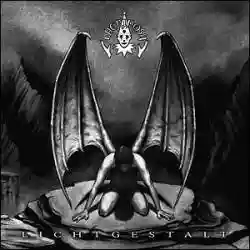
With this release, Lacrimosa celebrates their fifteenth year of activity always in the name of a very dark gothic, wild and gloomy style, which, unlike "Stille", minimizes the use of electric guitars and extremes keyboards and the leader's native language (German) to give the songs more roughness. It would be enormously preferable to listen to the said album possibly in the dark as it blends rapid passages of pure reflection to reach extreme moments of emotion that have the task of making everything as aesthetic as possible. Although I couldn't deduce if the artwork depicts an angel of light or a being of darkness, I must admit I was completely fascinated by it and would almost be ashamed to tell you that only the cover led me to learn, some time ago, about both the band and consequently this work and their numerous previous releases. A band that I managed to delve into within a month and that led me to a conclusion that is far from negative.
In "Kelch der Liebe" and "Lichtgestalt" the influences derived from "masters" like My Dying Bride and Cathedral are evident, as they not only showcase a correct and meticulous work on keyboards, not excessively abundant but significant, but also for a declared and constant love for darkness that results in a dark and introverted sound, precisely very reflective. In “Letze ausfahrt” the rhythm decisively rises making the song closer to metal with the use of very distorted guitars and a more incisive and sublime voice that rewards power over melody. Significant importance is given to the symphonic aspect of the music in the lengthy "Hohelied der liebe" where Gregorian as well as perfectly structured polyphonic choirs duet with the leader's voice which deserves to be listened to as it becomes much more roaring, seductive, and sadder than ever compared to other tracks. Instrumental and significantly atmospheric parts alternate with more rhythmic and incisive moments. This song can be seen as a standalone work perfectly archived and performed in all its numerous parts. In this latest album, Anne Nurmi has the ability to seduce and conquer us immensely with partially English-language tracks like "My Last Goodbye" and "The Party is Over" where agony and pain, expressions of past defeats, and introverted attitudes towards the surrounding reality, abandon all forms of that hope which one tries to reach insistently but in vain in the respective decadent tracks. If the Kingdom of the Dead really existed, this album would surely be welcome.
After masterpieces like "Satura", "Inferno", and "Elodia" here is another milestone that fans will hardly forget.
Loading comments slowly
Summary by Bot
Lacrimosa's Lichtgestalt is a powerful celebration of gothic metal's deepest themes—love and death—delivered with dark elegance and emotional intensity. The album features refined compositions and a balanced symphonic approach that showcases Tilo Wolff’s and Anne Nurmi’s talents. It offers a darker, more introspective style with strong influences from bands like My Dying Bride and Cathedral. The review praises the emotional depth and the atmospheric quality of the album, recommending it especially for dark, reflective listening.Tracklist Lyrics Videos
Lacrimosa
Lacrimosa is a Swiss-based gothic/darkwave act founded in 1990 by German musician Tilo Wolff. Mid-1990s, Finnish artist Anne Nurmi joined, cementing a duo that blends darkwave and gothic rock with classical, orchestral, and later metal elements.06 Reviews
