
 •
Rating:
•
Rating:
THE REVIEW
What’s so special about the man who plays lead guitar in the Eagles? Personality, wit, versatility, humility, epic sweetness, creative flair, rock’n’roll grit. With these qualities, he managed to “put up with” for half a century the “bully” attitude of Glenn Frey and the anxious/meticulous nature of Don Henley, the two bosses who, for their part, never dreamed of questioning Walsh’s role or space within the Eagles (well, except once, but we’ll get to that later).
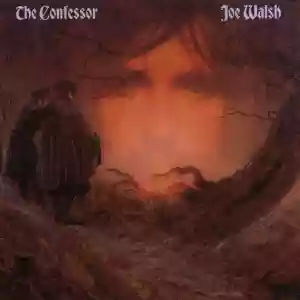
The Eagles who, in 1985—the year this sixth solo album of his comes out—seem long dead and buried. Joe juggles his third wife, Juanita Boyer, and the illustrious lover Stevie Nicks (who is always at his side even in the studio while he’s making this album), indulges daily with thin white lines, riding, in short, the way of life of a successful musician, settled in a villa with a pool on the Los Angeles hills. But without smugness, without showiness.
This record is fairly routine for him, meaning fun and evergreen, solid even if not essential. Too bad the chosen producer is the wrong one... Keith Olsen is a forger of powerful but cold sounds, too crystal-clear or too wooden, missing that directness good rock needs. Luckily, there’s the usual variety of themes and musical intensities: we go from solemn ballads to cheeky rock’n’roll numbers, highlighted by those perfect signature “shots” of instantly recognizable slide guitar. The voice is unmistakable, “neither good nor bad,” as he’s always soberly described it, yet, in reality, it’s an indispensable ingredient in his music.
It starts with a nice reggae, fresh and fun even if it’s about... problems! In fact, it’s titled “Problems.” The following track, “I Broke My Leg,” is wonderful—a real-life page where our man takes his woman to the movies, to dinner, to Aspen to ski and then... he falls and breaks a leg. There are talk box outbursts, a brooding nighttime organ, more guitars with refined sounds and Walsh’s inimitable touch. The irony keeps rolling with “Bubbles,” which, however, takes on a serious and all-too-current subject: Joe feels surrounded everywhere by bubbles, i.e., residues of non-biodegradable stuff with which mankind is filling up the planet.
The songs follow each other lighthearted, fun, and full of little instrumental tricks. What’s missing, up to halfway through the record, is some muscular rock, as if Walsh’s arrival at adulthood had distanced him from the passions of his younger years. “Slow Dancing” is clear about this... a number that’s measured and amorphous, with little punch. But blues rock comes to the rescue with the central “15 Years,” dragging and hypnotic, graced by a fine wha wha pedal job. Unfortunately, it is marred by the electronic Simmons toms, one of those Eighties blunders that legions of professional drummers and big-name producers indulged in at the time.
Track 6, meaning the album’s second side opener, is dedicated to the album’s highlight, the eponymous one. It’s a seven-minute-something affair that veers toward progressive. There’s a long atmospheric intro where, with bursts of dobro and heavily effected electric guitars, the rhythm gradually takes shape. However, its air of psychedelic blues suddenly gives way to a powerful, digging rock section, making the track a two-parter. The guitarist then draws on all his talent, but the arrangement is practically butchered by the crash of the Simmons drums, making the episode feel dated and, above all, clunky... The psycho-blues first part of the song is definitely better.
Rescue comes with “Rosewood Bitters,” written by his friend Michael Stanley, whom Joe met when he was a young man in Ohio—first as a student, then playing with the James Gang: this time, a great heart-wrenching slide guitar part. Happily, the following numbers keep raising the album’s energy and vibe: “Good Man Down” is predictable but punchy, no-nonsense blues rock, and finally, “Dear John” is a closing reggae that pairs up nicely with the one at the opening. It’s easy enough to figure out that, this time, Joe is addressing his wife, calling her John “in order to protect the innocent,” who must in fact be their kid. “Ti volevo scrivere una lettera, ma ne è venuta fuori una canzone,” sings Walsh.
To dedicate a track to marital woes with his wife Juanita and call her Giovanni is a classic Joe Walsh move: irreverent, melancholic and talented. I’ve always felt close to this character—he’s a rockstar very different from the standard, and I have genuine affection for his approach to music, guitar, and life’s troubles.
Loading comments slowly
Summary by Bot
The review praises Joe Walsh's 'The Confessor' for its strong rock presence and musicality. It highlights Walsh's signature guitar work and vocal style. The album earns a solid 4 out of 5 rating for originality and execution. Fans of classic rock and Joe Walsh will find much to appreciate. Overall, it's seen as a standout in his solo discography.Tracklist
Joe Walsh
American guitarist, singer-songwriter, and producer. Rose to prominence with the James Gang, formed Barnstorm, and joined the Eagles, contributing signature slide tone, talk box work, and wry songwriting on classics like Rocky Mountain Way and Life’s Been Good.11 Reviews
