
 •
Rating:
•
Rating: THE REVIEW
Some albums in Italy go unnoticed, and it's a pity that this is one of them.
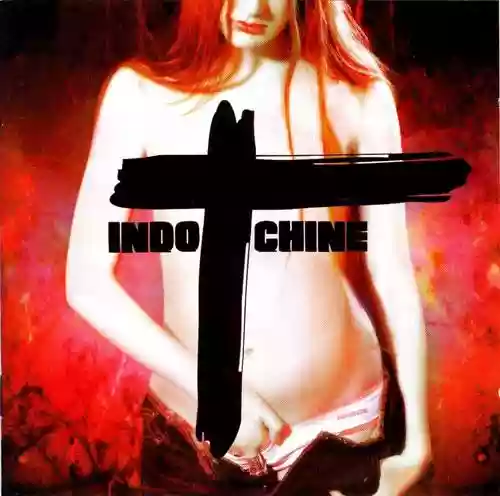
Indochine, a group that over the years has made history in French rock, returned in 2002 with Paradize, the group's most celebrated album.
The sounds are unique: distorted guitars and an extreme use of synthesizers, blending rock, 80s electronics, dark sounds in the style of The Cure, and satanic vibes of Marilyn Manson, creating an irresistible mix. The lyrics, on the other hand, speak of sex, faith, life, and death, taking on ambiguous tones on some occasions, making the album complete.
Worth mentioning are the collaborations: Phil Délire as producer, Gareth Jones on mixing, and Melissa Auf Der Maur lending her voice and bass on "Le grand Secret".
The album opens with "Paradize", "Electrastar", and "Punker", three songs that are essentially the same musically, characterized by the use of three electric guitars, but with a melody that still makes the pieces catchy.
In "Mao boy!", however, it's the acoustic guitar of Nicola Sirkis that takes over, leading to "J'ai demandé à la lune", a sad and melancholic post-rock ballad that marks the end of the first part of the album. In fact, after this, the true Paradize begins.
"The world is perverse and I will continue to challenge it": Nicola Sirkis opens with these words in "Dunkerque", which brings back the typical dark sounds of The Cure, with lyrics that express the leader's view of the world from the very first lines. It is followed by "Like a monster", which is eerie but not as noteworthy as "Le grand secret", where Nicola Sirkis and the "angelic" voice of Melissa Auf Der Maur sing together. A song that captivates you with the simplicity of its composition, dominated by synthesizers and reminiscent of Peter Gabriel's "Don't give up."
The fairy-tale "La nuit des fees" takes on darker and... at times obsessive... tones; if it were included in a horror movie soundtrack, it would not be out of place.
"Marilyn" and "Popstitute" are two true rock marathons, where unsettling sounds and lyrics with ambiguous connotations remain, interrupted by "Le manoir", which revisits dark tones, and followed by "Dark", with lyrics far from easy, full of liturgical metaphors describing death. "Comateen 1" prepares the listener for the finale "Un singe en hiver", a triumph of keyboards in which memories of Indochina are recited.
The album needs to be listened to several times to fully grasp it, but on first listening, one will not be disappointed by the sonic change that Nicola Sirkis and his five partners have developed over the years.
Loading comments slowly
Summary by Bot
Indochine's 2002 album Paradize is praised for its innovative blend of distorted guitars, 80s electronics, and dark sounds reminiscent of The Cure and Marilyn Manson. The lyrics explore themes like sex, faith, life, and death with ambiguous tones. Standout collaborations include Melissa Auf Der Maur and notable producers. The album offers a complex listening experience, rewarding repeated plays.
Indochine
Indochine are a French new wave/rock band formed in 1981 and led by Nicola Sirkis. They rose in the 1980s with L'Aventurier, revived their fortunes with Dancetaria (1999), and achieved a major comeback with Paradize (2002). They marked their 25th year with sold-out shows at the Hanoi Opera, later released as Hanoï.06 Reviews
