
 •
Rating:
•
Rating:
THE REVIEW
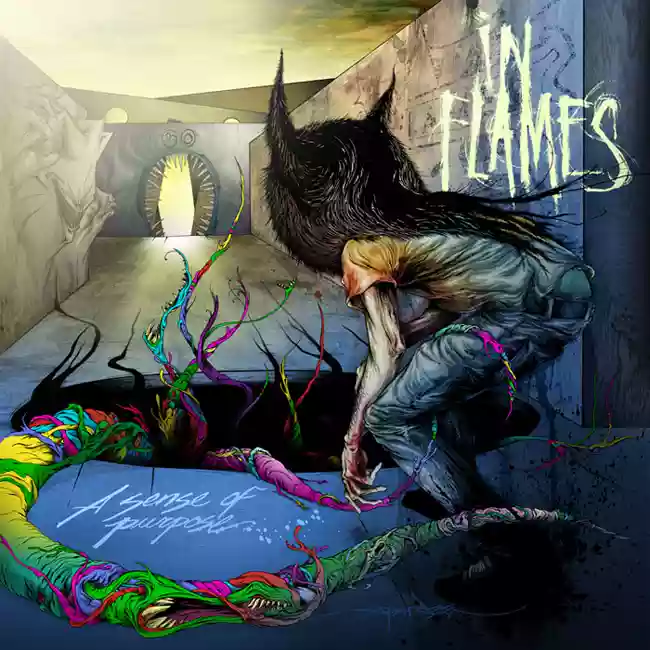
Much anticipation surrounded the new product from the all-made-in-Sweden quintet known to most as In Flames. After the merely decent (or, according to some, mediocre) works represented by the various "Soundtrack to your Escape" and "Come Clarity," which marked a stylistic shift towards alternative and metalcore respectively, the majority of fans of the Swedish combo would have opted for a return to those initial sounds, to that melodic death metal of which they are the godfathers, inspiring dozens of bands from 1995 to today, and thanks to which they churned out their masterpieces "The Jester Race" or "Whoracle." However, this was not the case, as only a partial return occurred.
First of all, it is necessary to distinguish what represents a point of return and what does not.
The riffing, always a trademark of In Flames, belongs to the first category. It is very similar to that present in "Clayman" (an album by the aforementioned band released in 2000) which showed '80s heavy metal reminiscences, and is in line with what can be reasonably expected from the always excellent axemen Bjorn Gelotte and Jesper Stromblad. The guitar lines are therefore not typically death metal as in the early days of the Swedish formation but are more technical and varied, irresistibly catchy in the choruses (listen to the single "The Mirror's Truth"), they can evoke a melancholic atmosphere (a clear example is "The Chosen Pessimist") but can still be heavy and hard enough in the riffs (see the riff of "Sober and Irrelevant").
The "non-return" point to the old sound is determined by contamination with the American metal scene. Indeed, there are many stylistic traits typical of all those metalcore bands within RoadRunner to be clearer. Vocalist Anders almost completely abandons the scream that made him famous, opting for a more versatile singing style more suited to adding pathos and atmosphere to the tracks. The choice was not random but dictated by the insertion in the songwriting of those very catchy radio choruses typical of bands like Killswitch Engage, just to name the most famous. Another element distancing them from the death metal legacy that the group carries with them is certainly the production, which makes their sound less Swedish in favor of a more "American" sound, with clean guitar lines and melodic, tear-inducing vocals in the aforementioned choruses.
"A Sense of Purpose" is therefore an album that will further divide the already fragmented critics regarding In Flames. There are those who will cry miracle, appreciating more prevalent melody in the vocals, and others who will condemn the work as "commercial emo garbage" after the first listen. Meanwhile, there will be those, like me, who will listen with neutral ears and recognize merits in the album, such as the decently successful integration of melodic choruses, but also flaws like the limited longevity of this LP, which risks becoming boring after the third listen.
Nothing transcendental then.
Rating: 3-
Loading comments slowly
Summary by Bot
In Flames' 'A Sense of Purpose' marks a partial return to melodic death metal roots with catchy riffs reminiscent of 'Clayman', blended with American metalcore elements. Vocals shift from screams to versatile singing, aiming for emotional choruses. The album divides opinion between those embracing its melody and others rejecting it as too commercial. Although the integration of styles is decent, the album may become repetitive after several listens.Tracklist Lyrics
In Flames
In Flames are a Swedish metal band from Gothenburg, widely associated with (and often credited as pioneers of) melodic death metal. Reviews on DeBaser focus on their influential 1990s/early-2000s run and the later stylistic shift toward more mainstream, electronic, alternative/metalcore-leaning elements that divided listeners.22 Reviews
Other reviews
By Matt7
"This is what happens when a band loses its class, its inspiration, when they try to ride the wave of success."
"Nothing remains of the old and glorious In Flames and right from the start of the album, we notice the incredible blunders."
