
 •
Rating:
•
Rating:
THE REVIEW
Bob Mould, Grant Hart, and Greg Norton, after the impact of 1984's "Zen Arcade," have been incredibly ingenious in charting their path. Proving themselves to be a freewheeling, unrivaled colossus from another dimension, they gave us five albums in four years and only the "usual existential band issues" could dissolve their resilience. What is present in "Zen Arcade" is essential for everyone. Ballads, hardcore rage, tributes-parodies to the Sixties, and freshness in the lyrics. They are existential, but also carefree, insecure, and at the same time irreverent.
After that masterpiece, one can taste the persistence of the freshness of their sound with "The Girl Who Leaves On Heaven Hill" and "Makes No Sense At All," for example. The band's identity is immediately established; they compose so much and quickly arrive at 1987.
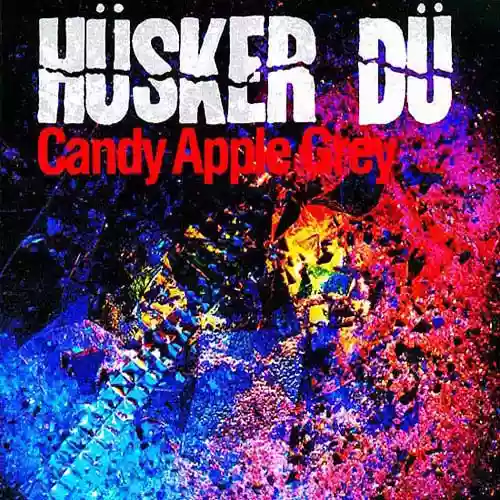
We have the final phase of the trio. Mould is the mature and reflective one, while Hart is more relaxed, impulsive, and cheerful. Their ballads are marked by these respective stylistic traits, and with "Candy Apple Grey" we find above all a greater individualism.
However, they still put gems on the table, like the sweetness of Mould's "Hardly Getting Over It" and Hart's joy in "Sorry Somehow." The heavyweight track is undoubtedly "Don't Want To Know If You Are Lonely," also covered by Green Day, where the explosiveness of punk, blended with the verve of pop, is the force that isolates them from any comparison.
With these three tracks, the sunset of the American combo is characterized, as they prepare to lower the curtain with the final "Warehouse," with ideas too dependent on the sonic box they had created. These chameleons, with that effervescent volcano in "Pink Turns To Blue," are not easily forgotten.
Loading comments slowly
Summary by Bot
Candy Apple Grey captures Hüsker Dü during their final creative phase, highlighting the distinct styles of Bob Mould and Grant Hart. The album offers memorable tracks blending punk energy with melodic pop, especially 'Don't Want To Know If You Are Lonely.' While it shows some dependence on prior sounds, it delivers fresh, compelling songs that solidify the band's legacy.Tracklist Lyrics
Hüsker Dü
Hüsker Dü were an American rock band from Minnesota, best known as a Minneapolis trio (Bob Mould, Grant Hart, Greg Norton) who helped expand 1980s hardcore punk into melodic, emotionally charged alternative and indie rock. Their run from the early 1980s to 1988 is frequently cited as hugely influential, with Zen Arcade often treated as a landmark release.25 Reviews
