
 •
Rating:
•
Rating:
THE REVIEW
What does blues have to do with Ireland, I ask? What was this whole '80s craze of mixing Celtic with Afro, the moorlands with the cotton fields, beer with whiskey? Just a question of trends? And so U2 would come up with American-style pieces, O'Connor was all the rage with a Prince ballad, the Scottish Waterboys were gaining Irish musical citizenship with what belonged to the fisherman, yes, but it was still Blues...
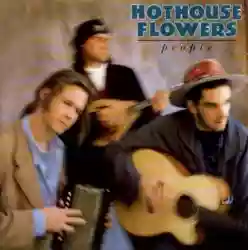
In 1988, another quirky formation made its debut (certainly not the Pogues, anyway), ready to reshuffle the poker deck within a pack from a public park. In this album, you'll grapple with a pop rock preacher, you'll encounter his wild gospel ("I'm Sorry") even though you'll curse the '80s because the track is too keyboard-driven; you'll tap your foot with rhythm and blues ("Love Don't Walk This Way" and "Feet On The Ground"); you'll be anointed thanks to a blues mélange, as essentially the Hothouse Flowers do for their ballad "Forgiven." Up till now, inevitably, there's the sensation of being faced with something already seen, already heard, assimilated millennia ago, whose addition of the famous Dublin pesto doesn't pass it off as a new dish. It's blues, it's spiritual, it's black.
However, the Irish sermons of these hallucinated preachers leave you puzzled (the dish, if it surprises you, do you like it or not?): halfway between all-Irish fundamentalism and the exuberance of a pastor from a Tennessee country chapel, Liam Ó Maonlaí and his band combine Radio MotherMary-like choruses with tracks of epic-Celtic structure, on which they graft saxophones and spiritual choirs at the end; they offer pieces almost always with a spoken intro, as if they all were "Everybody Needs Somebody To Love," in short, they combine all that "doesn't unite" the two lands into tracks that nevertheless follow a trend started years ago by other people and other compatriots.
This is the album of the interlocutory debut for the most famous band of buskers in those years in Ireland. Buskers perhaps because, not to say for playing, but in the streets of Dublin, preaching is better than in pubs.
Loading comments slowly
Summary by Bot
Hothouse Flowers’ 1988 album 'People' explores a distinctive fusion of Irish folk, blues, gospel, and pop rock. The band blends traditional Celtic sounds with American blues influences, resulting in a sound that is both familiar and unique. While some 1980s production choices, such as keyboard-heavy tracks, may seem dated, the album conveys a sincere and spirited musical expression. The band stands out as Irish buskers bringing street-level passion and gospel energy into their debut work.Tracklist Lyrics Videos
Hothouse Flowers
Hothouse Flowers are an Irish rock band from Dublin, formed in 1985 by Liam Ó Maonlaí and Fiachna Ó Braonáin. They blend rock with Irish folk, soul, blues and gospel, led by Ó Maonlaí’s expressive vocals and piano. Their debut People introduced a spirited fusion that continued through Home, Songs from the Rain, Born, and Into Your Heart.05 Reviews
