
 •
Versione 1
Rating:
•
Versione 1
Rating:
THE REVIEW
Slender, reserved, as if he doesn't want to talk too much about the subject everyone expects him to discuss. It's fine not to dwell on historical facts, taken for granted, but if that means insistently focusing for two hours on a simply unlikeable character, confining him to his final exile, with sparse, ugly dialogues, supporting characters of dubious interest, unnecessary narrative length... Well then, perhaps it was better to reiterate the already known, to create a chronicle.
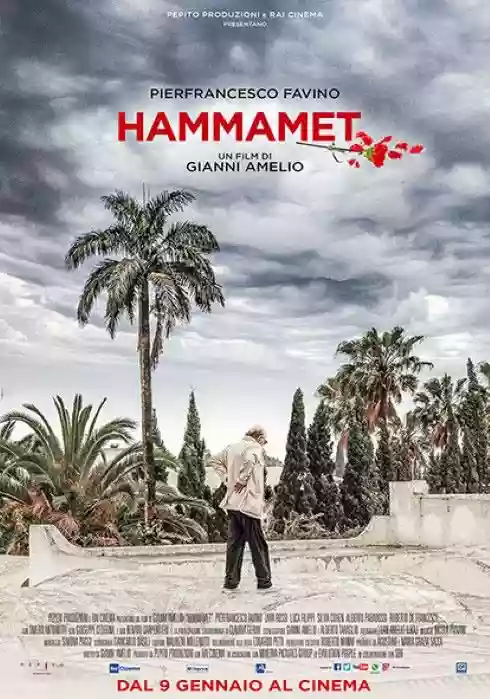
It's a flat rejection, without appeal, because practically nothing works in this film. It offers nothing in terms of content (the few insights on those events are superficial, basic) and fixates on the vision of that fallen behemoth, insists on the sighs and gestures of Pierfrancesco Favino who perfectly imitates Bettino. But, precisely, it's an imitation. It doesn't breathe new life into the historical character in its cinematic guise, doesn't dare to enrich or expand it, even at the risk of slightly betraying the original. The rigor in imitation limits and ultimately impoverishes the mask, which continues to repeat its tics throughout.
But where is it trying to go? One wonders for at least an hour. It feels like watching a student beating around the bush because they don't want to confront the heart of the question. Because the question is there, it's pertinent, but the answers are the usual, evasive ones. Amelio has nothing new or different to offer, so he looks elsewhere. He looks at the man, but it's a poor vision, and then anger builds about what this film could have been, a film about Bettino Craxi that had the courage to really talk about Bettino Craxi.
When a politician (unnamed) arrives in Hammamet, towards the end, one hopes for something juicy. It brings to mind the spectacular talks in Loro (Sorrentino) between Berlusconi and Doris, between Berlusconi and Mike Bongiorno. Wonderful hyperboles, which did not fear exceeding the real data, because there, the film's characters did not worry about overflowing the historical figures. The Silvio in the film was not just the real Silvio, he resembled him a lot, but he was something more. Here instead, there is a dominating fear, a starkness without any undertone. And it ends up saying little to nothing, only leaving a few amusing quips, some jabs between Bettino and various figures whose names we often don't even know.
And still his name, Bettino Craxi, never appears. A sign of truly excessive reticence if you want to make a film about such a figure. Here, there is very little cinema indeed. It's a masquerade parade of Favino who imitates without reviving a man who, for better or worse, deserved a film of far greater stature.
Loading comments slowly
Summary by Bot
Gianni Amelio’s film Hammamet struggles to deliver a compelling or insightful portrayal of Bettino Craxi, focusing too narrowly on his isolated exile. Pierfrancesco Favino’s imitation is precise but fails to bring new depth. The narrative is slow with superficial content, avoiding meaningful confrontation with its subject. The film ultimately feels like a missed opportunity, lacking cinematic vigor compared to other political biopics like Loro.
Gianni Amelio
Gianni Amelio (born 20 January 1945) is an Italian film director from Calabria known for socially engaged dramas such as Il ladro di bambini, Porte Aperte, Lamerica, Così ridevano, and Il signore delle formiche. His cinema blends ethical inquiry with a realist gaze on Italian history and institutions.05 Reviews
