
 •
Rating:
•
Rating:
THE REVIEW
Many Genesis albums (especially the early ones) rank among the top in the endless prog productions in history, not only English but worldwide. It is a band, initially led by Peter Gabriel and then by drummer-turned-singer Phil Collins, that deserves to be remembered in the years to come, forever. The gradual departure of some band members (Gabriel, specifically, and Steve Hackett) certainly hasn't helped, although it did allow for new solutions and experimentations.
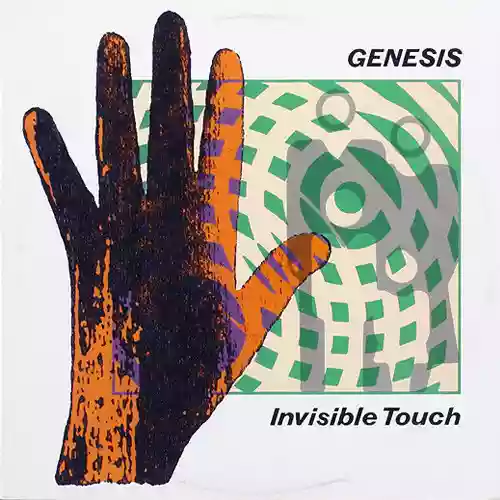
Invisible Touch represents the arrival point of a musical restyling for Genesis, who, after an exclusively prog journey, venture into producing much more pop-oriented songs. And thus comes an astounding commercial success, as their songs are absorbed by advertising spots and introduced to the entire world. It is an album that aligns with the spirit of the '80s, full of electronic sounds, but with a prog imprint that the Collins-led group keeps almost intact. Genesis are progressive at heart, but open to the trends of the times and the ephemeral fashions. Among the most important tracks, Land of Confusion and Tonight, Tonight, Tonight are noteworthy.
Loading comments slowly
Summary by Bot
Invisible Touch represents a significant musical shift for Genesis, moving from their progressive rock origins to a more pop-oriented 80s sound. Despite lineup changes, the band retained their progressive roots while embracing new trends, leading to notable commercial success. Key tracks like "Land of Confusion" and "Tonight, Tonight, Tonight" stand out on the album. This album reflects Genesis' adaptability and lasting influence.Tracklist Lyrics Videos
Genesis
English rock band formed in 1967, celebrated for landmark early-1970s progressive albums (Foxtrot, Selling England by the Pound, The Lamb) and a later, more pop-oriented phase led commercially by Phil Collins.116 Reviews
Other reviews
By London
Invisible Touch stands as a granite monument to the worst sound of the eighties.
You have to make acrobatics and compromise with your musical taste to find something good in it.
By Hetzer
The worst Genesis record has very little redeemable.
A brazen and best-selling product, cheerful and annoying, with very little artistic vein.
By alberto88
Invisible Touch, the infamous orange hand from whose clutches old Genesis fans wanted to escape, is the paradigm of what I mentioned earlier.
The album, in short, has the charm of a 'guilty pleasure' record, which in its commercial inspiration is ultimately successful and also gritty.
By paolo1968
Phil Collins, worried about the expenses for his twelfth divorce and the annual supply of Minoxidil, decided to release the most shamelessly commercial album in Genesis history.
The only memorable song on 'Invisible Touch' is the mini-suite 'Domino', inspired by the Archangel Peter Gabriel.
