 •
Rating:
•
Rating:
THE REVIEW
In the mid-80s, the greedy Phil Collins, worried about the expenses for his twelfth divorce and the annual supply of Minoxidil (a well-known anti-baldness drug), decided to release the most shamelessly commercial album in Genesis history.
To this end, he procured some powerful narcotic and slyly administered it dissolved in a pint of beer to his two pals at the pub. The unsuspecting Tony and Mike, fresh from having just composed the progressive masterpieces "The Fugitive" and "Mike and the Mechanics", fell into a deep sleep for a good month. Immediately, the cunning Phil, assisted by his faithful producer Hugh, got to work, composing and playing (all instruments were sampled) the entire album by himself.
In a matter of days, he wrote "Invisible Touch", "Land of Confusion", "Throwing It All Away", and "In Too Deep", four of the easiest songs ever released by Genesis... which immediately reached the top of the singles chart! Quickly completing the album with other not so impressive tracks (like the instrumental "Brazilian", mainly based on cheesy sound effects, or the heavy "Tonight Tonight"), Phil had a pang of conscience and began to wonder if perhaps he had gone a bit overboard with simplicity and immediacy... At this point, the Archangel Peter Gabriel, although extremely busy composing the highly experimental "Sledgehammer" and "Big Time", made an appearance. He descended from Eden, appeared to Phil in a dream, and inspired him with the idea for the mini-suite "Domino", the only memorable song on "Invisible Touch".
Meanwhile, with the album already released, Tony and Mike awoke from their stupor and reluctantly accepted the poor quality of the work. They consoled themselves with the astronomical sales and the millions of spectators of the subsequent tour; don’t tell Tony, but those spectators were just extras generously paid by Peter Gabriel to spare the old friends from embarrassment.
PS: One last tidbit. In the excellent instrumental "Do The Neurotic" (unjustly relegated to the role of a B-side), Phil secretly commissioned mercenary Steve Hackett to perform the guitar parts.
Loading comments slowly
Summary by Bot
This sarcastic review humorously criticizes Genesis' 'Invisible Touch' for its overly commercial sound led by Phil Collins. It mocks the simplicity of the hit songs and the neglected contributions of bandmates Tony and Mike. Despite its negative tone, the review acknowledges the commercial success and highlights the mini-suite 'Domino' as a standout track. The quirky storytelling adds a playful edge to the critique.Tracklist Lyrics Videos
Genesis
English rock band formed in 1967, celebrated for landmark early-1970s progressive albums (Foxtrot, Selling England by the Pound, The Lamb) and a later, more pop-oriented phase led commercially by Phil Collins.116 Reviews
Other reviews
By London
Invisible Touch stands as a granite monument to the worst sound of the eighties.
You have to make acrobatics and compromise with your musical taste to find something good in it.
By Hetzer
The worst Genesis record has very little redeemable.
A brazen and best-selling product, cheerful and annoying, with very little artistic vein.
By alberto88
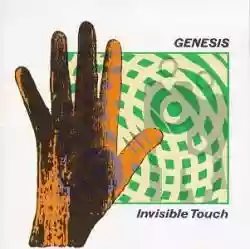
Invisible Touch, the infamous orange hand from whose clutches old Genesis fans wanted to escape, is the paradigm of what I mentioned earlier.
The album, in short, has the charm of a 'guilty pleasure' record, which in its commercial inspiration is ultimately successful and also gritty.
By Gabbo
Invisible Touch represents the arrival point of a musical restyling for Genesis.
Genesis are progressive at heart, but open to the trends of the times and the ephemeral fashions.
