
 •
Rating:
•
Rating:
THE REVIEW
Not that my childhood was all that great, but it was me.
I remember very well the onset of anxiety, which was a sudden questioning of "and now what am I doing here?" "who are these people, what do I say to them?" and those people were my best friends, on any afternoon lost in memories.
I was thirteen, fourteen years old and that shadow arrived without warning. It's still here with me. And we fight, it probably without any effort, like a dark subordinate executing orders without asking questions.
How many things I had to invent in battle!!! being a poet, trying to think with my head, winning over girls even though I was (as I still am) an ugly misfit, intoxicating myself with illusions, creating amateurish talismans...
And music, lots and lots of music. That's why I'm here like all of you "dancing about architecture".
There should be the review. So let's do it then.
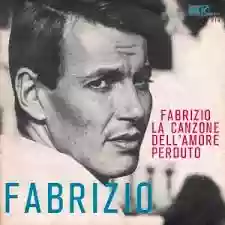
"La canzone dell'amore perduto" is the most beautiful love song of all time. And Fabrizio is one of my many fathers.
The most important perhaps, because he sang words I understood. That rock'n'roll was divine noise, energy.
Once my sister, seeing my son making an infernal racket with a spoon and a pot, said to him "it makes a nice noise, doesn't it?".
She said it just like that and smiled.
That's what rock’n’roll is like.
Fabrizio was more like my brother-in-law. And my brother-in-law would put books in my hands and was as beautiful as the sun.
You might not believe it, but I'm crying.
Ah, "La canzone dell'amore cieco" is liked by my new girlfriend. The other day, just for fun, I put balloons on her head. Well, you couldn't tell the difference.
Loading comments slowly
Summary by Bot
The review reflects on the deep emotional connection the author has with Fabrizio De André’s songs, especially 'La canzone dell'amore perduto.' Through memories of youth and personal struggles, the music is portrayed as both comforting and poetic. The songs evoke feelings of love, loss, and identity, making the artist a significant influence in the reviewer’s life.
Fabrizio De André
Italian singer-songwriter (cantautore) Fabrizio De André (18 Feb 1940 – 11 Jan 1999) is known for poetic lyrics, narrative songs about marginalized people, and landmark albums including Creuza de mä and La buona novella.92 Reviews
