 •
Rating:
•
Rating: THE REVIEW
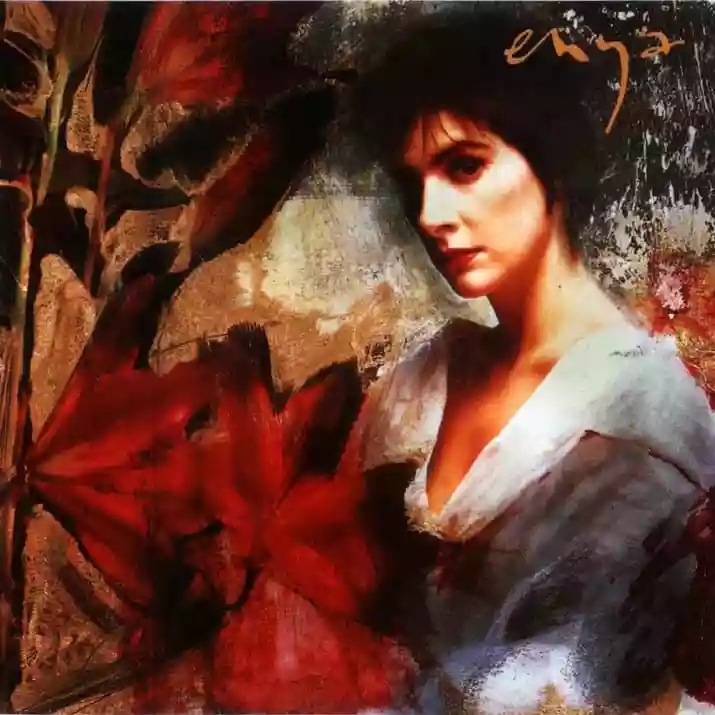
Looking at her on album covers or in other rare images, with her porcelain skin and her improbable trailing dresses, she seems like a woman from a long-past era, that of the mysterious and legendary Celts. However, she hails from a remote Irish county, and it was there that she began cutting her teeth with Clannad, a historic traditional music group. Too talented even for the capable Clannad, she found her niche in a very unique musical cocktail, which combines the vitality of ethnic music, not only Celtic, with the rarefied new age atmospheres. A sound full of scholarly references, particularly to sacred music and madrigals of the 1500s and 1600s (Monteverdi), but paired with sweet melodies, generally approachable and thus popular. This at least partly explains how this serious musician, capable of composing inspired motifs of ancient taste and playing all the instruments on her records, could compete in terms of sales with the shrieks of Madonnas, Spice Girls, and other chart phenomena.
It's a pity we will never hear her live, as she believes it impossible to reproduce on stage the elaborate fusion of suggestions from her ancient and modern instruments that we can enjoy on record. "Watermark," her masterpiece, is a classic example of a seminal album: Enya would attempt to recreate it three times, and the remarkable thing is that on the first attempt, "Shepherd Moons," the miracle was repeated, an event not rare in the musical field (splendid examples of "clones" come to mind, like "In The Wake of Poseidon" by King Crimson). From the clarity of the initial piano piece "Watermark," worthy of certain brief classical piano pieces (listen to late Brahms to believe it), you can tell that something good is coming: real music, not noise! Similar piano interludes will return in this and subsequent albums, as delightful reflective pauses. Because there's also a more rhythmic Enya, like in "Storms In Africa," a successful incursion into Peter Gabriel territory, that of blending Western melodies with African tribal percussion. Enya lacks nothing: beyond the already seen qualities, she also possesses a superb contralto voice, very classical, ideal for her music.
"On Your Shore" reduces the instrumentation to a discreet background precisely to emphasize this splendid voice, which shines in an airy melody of typical Celtic taste, as also in "Exile," where it alternates with a magical flute. In "Evening Falls," Enya is accompanied by a moving adagio for organ and strings. But the most absolute ecstasy is reached in "The Long Ships": here the intertwining of Enya's divine warbles, the choirs, and the instrumental base is practically perfect, and even the melody suggests journeys towards the unknown: simply a dream. "Cursum Perficio," with its Latin text and relentless Carmina Burana-style crescendo, has the power to evoke the mystery and darkness of the catacombs.
The album's great success was "Orinoco Flow," a very simple motif, you might say a nursery rhyme, but with refined interplay between the vocalizations and electronic keyboards that make it a small masterpiece. "Na Laetha Geal M'Oige," as the Gaelic title says, is a return to tradition, where the "uillean pipes," a type of Irish bagpipe, alternate with the true instrument that is Enya's voice. The harmony is total, nothing is out of place: with an album like this, one can only regret that it eventually ends. Luckily, there will be further installments.
Loading comments slowly
Summary by Bot
Enya’s album Watermark is a blend of Celtic heritage and new age soundscapes, showcasing her exquisite voice and multi-instrumental talent. The review highlights the album's classical influences, delicate melodies, and standout tracks like Orinoco Flow and The Long Ships. It praises the album as a timeless masterpiece, combining ancient musical traditions with modern production. Although Enya never performs live, the records deliver a unique musical experience. Overall, Watermark is celebrated as a seminal and inspired work.Tracklist Lyrics Videos
Enya
Enya is an Irish singer, composer and musician known for multi-tracked vocals, lush synthesizer textures and Celtic-influenced melodies. After early work with Clannad, she launched a solo career with Enya/The Celts and broke through worldwide with Watermark (1988) and the hit Orinoco Flow. She has since released best-selling albums and the song May It Be for The Lord of the Rings.08 Reviews
