
 •
Rating:
•
Rating:
THE REVIEW
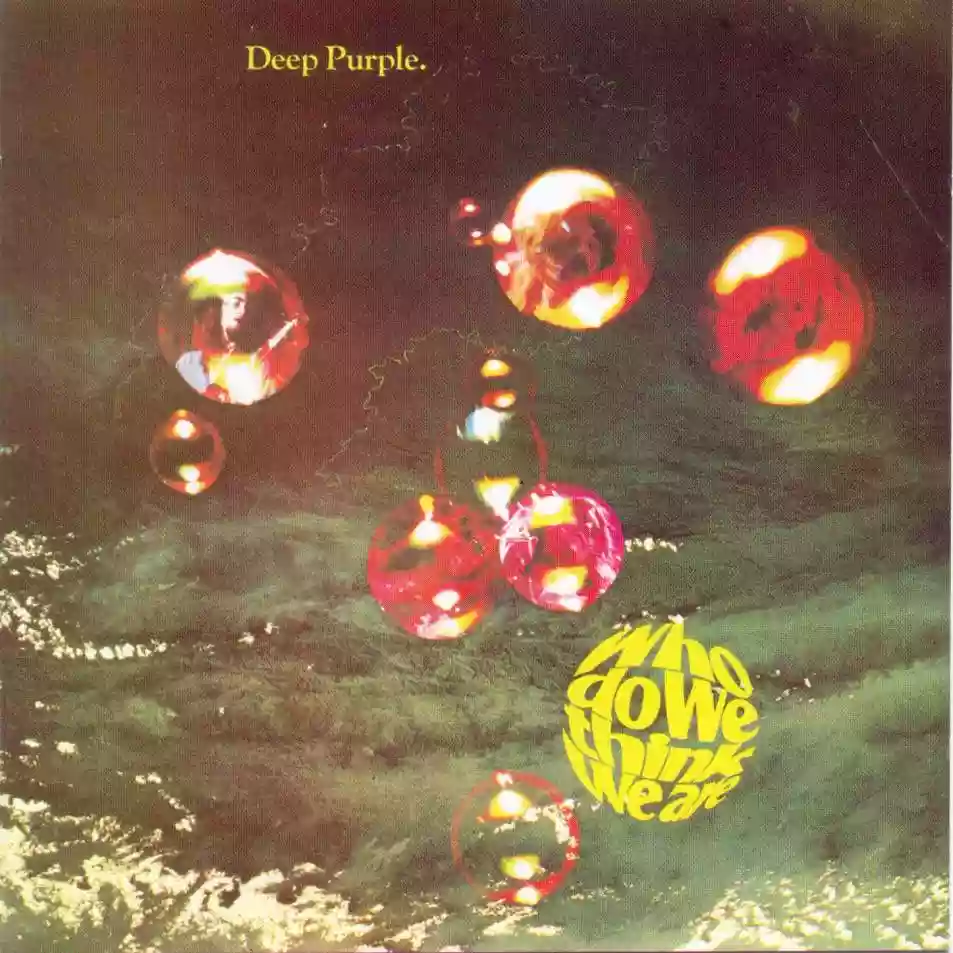
How can a band with such a prestigious name respond to masterpieces like "In Rock," "Machine Head," and "Made In Japan"? There comes a point when the peak has already been reached, and repetition ensues. This is the case with Who Do We Think We Are. Released in 1973 and recorded in Rome, the 7th studio album by Deep Purple has these precise characteristics, a solid album, for sure, but it does not stand up to its predecessors. It is also worth noting that this work suffers from the internal conflicts between Gillan and Blackmore, and by the time of the recording, Gillan's intention (later joined by Glover) to leave the Purple was already known to all the members.
The opener "Woman From Tokyo" gives hope, captivating, rhythmic, and characterized by a stunning melodic interlude. Here the difference is made by Lord, who weaves an excellent tapestry in the melodic part and then delights us with an unforgettable piano solo. The album continues with "Mary Long," a melodic track recently revisited live, which keeps this CD's level high. The third and fourth tracks, "Super Trouper" and "Smooth Dancer," can be defined as clones of "Blood Sucker" and "Speed King". Especially "Super Trouper" is almost identical and leaves a bit of a bitter taste due to this blatant recycling. Fortunately, the next track, "Rat Rat Blue," is more inspired, indicating what will be the prevailing trademark of the future Mk. III. The subsequent "Place In Line" also does not disappoint expectations even though it is a classic blues. Note Gillan's voice, which is practically unrecognizable in the verses. The album closes with a rather unusual piece, "Our Lady," personally not up to par, residing halfway between folk song and epic, strongly inspired by Glover—listen to his "The Butterfly Ball And The Grasshopper's Feast" to believe it.
Here ends the first part of Mark II, and if it weren't for this dearly beloved money, a second and third reunion would never have existed, but what can one do? This is the market, and many fans, including the aforementioned, were pleased to hear new works from Deep Purple with Gillan & Blackmore together again.
Loading comments slowly
Summary by Bot
Who Do We Think We Are is a solid but somewhat repetitive album following Deep Purple’s iconic classics. Internal tensions affected the recording, yet tracks like "Woman From Tokyo" and "Mary Long" stand out. Some songs feel recycled, and others fall short. The album marks the end of the Mark II lineup’s early phase, with mixed feelings among fans.Tracklist Lyrics Videos
Deep Purple
English rock band formed in 1968, pioneers of hard rock. Best-known for classic lineups (notably Mark II) and landmark releases such as Machine Head and the live double Made in Japan.82 Reviews
Other reviews
By R13569920
It was slammed by critics at the time of its release and considered half trash even by many fans, which I believe it absolutely does not deserve.
If one does not love Celtic music, they do not buy the album and even deplore the change in musical genre, but this does not mean they should think the band has become lousy or that it no longer knows how to play or compose.
