
 •
Rating:
•
Rating:
THE REVIEW
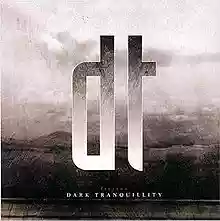
Sweden, early '90s: while bands like Unleashed, Dismember, and Entombed were creating a path that would go down in history as death metal, others were beginning to add doses of more or less massive melody to such an extreme genre. At The Gates, Soilwork, In Flames, and Dark Tranquillity were the bands that during that period, starting from the city of Gothenburg, laid the foundations for what is called melodic death metal. "The Gallery," released in 1995, is considered by many as the true masterpiece of Dark Tranquillity, an album where the band first showcased all their compositional flair. From there on, the group recorded several albums, ranging from more experimental works ("Projector") to typically Swedish ones ("Damage Done"), culminating in "Fiction," released in 2007 by Century Media. The album represents one of the highest peaks reached in the band's career, an album where brutality and cold, typically Nordic melodies find their perfect balance. Praise must undoubtedly be given to the work done by the individual members, with Mikael Stanne able to effortlessly move from scream and growl parts to clean ones, each time managing to convey unique emotions. An example of this is the closing track "The Mundane And The Magic," a power ballad in which the red-haired singer's voice blends perfectly with that of Nell Sigland, singer of Theatre Of Tragedy, in the creation of a fairy-tale tinged song. Great work is also done by the guitars, capable of infusing the entire platter with never banal melodies. A similar discourse can also be made for Martin Brändström's keyboards, which enrich the collection of tracks without becoming overly intrusive. Mentioning the two or three highlights of the work would be a mistake in this case, given the high level on which the album moves in its entirety, from the brutal opening of "Nothing To No One," through equally devastating tracks like "Blind At Heart" and "Empty Me" or more experimental pieces like "Inside The Particle Storm," up to the already mentioned closing of "The Mundane And The Magic." However, if one must choose, two seem to be the probable peaks of the album, songs that over time have become live set favorites, omnipresent at every concert of the band. The first "Terminus (Where Death Is Most Alive)" is an ideal piece to unleash the pogo in front of the stage, with a frenzied rhythm and a simple yet fitting refrain. "The Misery's Crown," on the other hand, is a song in which Stanne refrains, in the verses, from growl and scream, using a clean, sad, and melancholic singing, ideal for the atmosphere and lyrics of the song.
Ultimately, "Fiction" is an album that borders on perfection and enriches a discography that, release after release, has allowed the Swedish ensemble to rise, in the proposed genre, to a star of the first magnitude.
Loading comments slowly
Summary by Bot
Dark Tranquillity's 2007 album Fiction represents a high point in melodic death metal, perfectly balancing brutal and melodic elements. Mikael Stanne's versatile vocals and the band's intricate instrumentation stand out throughout. Tracks like 'Terminus' and 'The Misery's Crown' are live favorites showcasing emotional depth and energy. Overall, Fiction enriches the band's impressive discography and confirms their status among melodic death metal stars.Tracklist Lyrics Videos
Dark Tranquillity
Dark Tranquillity are a Swedish metal band from Gothenburg, widely associated with the Gothenburg melodic death metal scene. Reviews emphasize their mix of aggression and melody, frequent use of keyboards/electronics, and Mikael Stanne’s harsh and clean vocal range.19 Reviews
