
 •
Rating:
•
Rating:
THE REVIEW
Some regions of the world seem - more than others - to have the right credentials to compete for the coveted title of "paradise on earth"; Australia, with its primitive yet so modern 'humus', has often approached the fateful goal. The myth - sterile? childish? unfounded? - of the country where you work "only half the year" will have struck a chord with almost all mortals at least once, particularly those who are most victimized by the sickening Western productive frenzy. Believing or not in the truthfulness of the myth is a question to be deferred to the judgment and foresight of the individual. However, the imagination is fueled by some elements whose concreteness is entirely objective: fruit of this land is a music that more than others seems to have enjoyed a healthy exposure to the sun's heat.
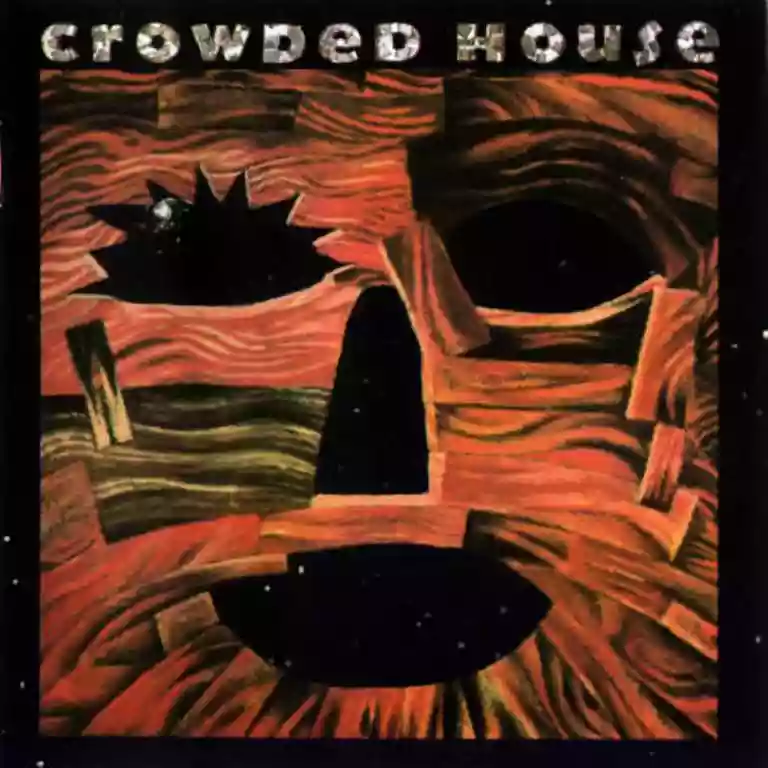
To avoid misunderstandings or crafty mystifications, it should be noted that that sun has not only warmed chart-toppers, whether they are funk meteors (Inxs) or debatable, more or less revived, dance queens (Kylie Minogue). Those who recall how half the world found itself pondering - about twenty years ago - the terrifying beauty of a single pop motif know this well: from which galaxy, in what dimension or state of 'trance' could "Don't Dream It's Over" have emerged? To future generations the difficult judgment. It remains that Neil Finn's house was too crowded with ideas and insights to remain tied to the success of a single - however perfect and unmatched - chord progression. And already the eponymous debut of his Crowded House (1986), though immature, hinted at a future of promises fulfilled (especially, the cadenced and dreamy "World Where You Live" and the mystical "Hole In The River"). Upon its release in 1990, the single "Chocolate Cake" - nothing more than yet another pleasantness to which we had become accustomed - paved the way for the varied richness of the adamantine "Woodface": which is perhaps not yet the perfect album of the Australian group, but certainly the most complete and coherent one. Neil and his companions do not bother to hide behind their wooden face the evident Beatles influence of their new production: it is a reinterpretation, in an emotional and playful key, of a musical heritage that transcends the depths of the oceans. Discarded from the start the uselessness of some episodes ("Tall Trees", the Squeez-esque/Costello-esque "Fame Is", the clumsy "Italian Plastic"), the rest is an uninterrupted sequence of pop delights with a pleasantly retro freshness. The admirable triptych "Weather With You"-"Whispers And Moans"-"Four Seasons In One Day" proves it sufficiently: where the first is without doubt one of the happiest and most joyful outcomes ever achieved by pop writing, the second the infinite dilation of a warm and ethereal melody, the third a superb "reverie", condensed into a micro-composition that might even incite envy in Sir McCartney. No less warming, however, are the captivating proto trip-hop rhythm in "There Goes God", the soft gracefulness of "She Goes On" and especially the marvelous choral refrains of "As Sure As I Am" and the concluding "How Will You Go" - indispensable and memorable pieces of a "British invasion" transplanted into the heart of a happy land.
Loading comments slowly
Summary by Bot
Woodface by Crowded House is celebrated as their most complete and coherent album, blending Beatles-inspired melodies with sunny Australian vibes. The album features standout tracks like "Weather With You" and "Four Seasons In One Day," delivering pop songs full of warmth and emotional depth. Despite a few weaker tracks, the overall experience is a rich, joyful celebration of pop music heritage. Neil Finn's songwriting shows maturity and insight, building on the band's earlier promise.Tracklist Lyrics Videos
Crowded House
Crowded House are an Australian/New Zealand band formed in Melbourne in 1985 by Neil Finn, Paul Hester, and Nick Seymour. They achieved international success with the singles Don't Dream It's Over and Weather With You, and are acclaimed for albums such as Woodface and Together Alone. After disbanding in 1996, they reunited in 2006 and continue to record and tour.04 Reviews
